With a population of 275 million people in 2022, Indonesia is the fourth most populated country in the world. A member of the G20, in recent years Indonesia has rapidly industrialised and graduated to a middle-income economy. However, many development challenges remain. Income is unevenly distributed and only the higher-income consumers can afford sustained access to healthy and nutritious foods.
Different forms of malnutrition - including anaemia, stunting, and micronutrient deficiencies - remain a major public health challenge, especially among adolescent girls, pregnant women, and children under five years of age. Over a third of children under five are stunted (30.8%), 31.2% of women of reproductive age are anaemic, and the prevalence of anaemia among adolescent girls (15-18 years old) is approximately 23%. Indonesia also suffers a double burden of malnutrition, which is characterised by the coexistence of undernutrition along with overweight and obesity. A key contributing factor is the typical Indonesian diet, which is high in carbohydrates and starchy foods.
Indonesia continues to make important progress in improving nutrition outcomes, yet significant challenges remain. In this video, our Country Director reflects on the country’s evolving nutrition landscape, including the persistent burden of stunting, micronutrient deficiencies, and the growing shift toward diet-related non-communicable diseases. The discussion highlights the urgent need to strengthen food systems that support healthier, more diverse, and more affordable diets for all Indonesians.
Existing policies to increase the production of staple foods such as rice, maize, and soybeans (Upsus Pajale) may not be adequate to meet increasing food demand. A growing population and middle class in Indonesia, and a high rate of urbanization have led to changes in the dietary patterns and food demand of the future.
GAIN’s contribution
The Global Alliance for Improved Nutrition (GAIN) is a Swiss-based foundation launched at the United Nations in 2002 to tackle the human suffering caused by malnutrition. Due to COVID19, conflict in Ukraine and climate change, malnutrition and hunger have worsened significantly since 2019, reversing a decade of progress. There is growing recognition that our food systems need to change if we are to reverse these trends. Indonesia is one of the countries impacted by malnutrition.
GAIN’s Strategy aims to transform food systems to make healthier diets from sustainable food systems accessible to all people and especially those whose are most vulnerable to shocks. By 2027, we aim to improve the access of 1.5 billion people to nutritionally enhanced staple foods, improve the access of 25 million people to healthier diets, and support positive food system change in 10 countries. This is bold and complex, and the only way to achieve this is to work together with partners including governments, businesses, and civil society at the country and global level.
These goals, and the ways of achieving them, build on our twenty-year legacy of transforming people’s lives with improved nutrition through concerted action and effective policy change.
GAIN offers high-quality know-how on transforming food systems to improve the consumption of nutritious and safe food for all people, especially those most vulnerable to malnutrition.
We aim to support and advise the Government of Indonesia, the Ministry of Health (MoH), nutrition stakeholders, academia, businesses, and development partners as they build and mobilise food and nutrition plans to advance nutrition for all people.
To this effect, MoH finalised the standardisation of Emo-demo training material for health workers, and in 2023, MoH provided funds for Emo-demo to be implemented nationwide for the stunting reduction strategy. Furthermore, GAIN has facilitated the Ministry of Health to get release the copyright for the Multi Nutrient Powder (MNP) for the brand "MUVIKID" to facilitate business sectors for its initial distribution, to assist with business plan for distribution, and to facilitate the selected business sectors to be included in the procurement system of MoH.
Adolescent Nutrition
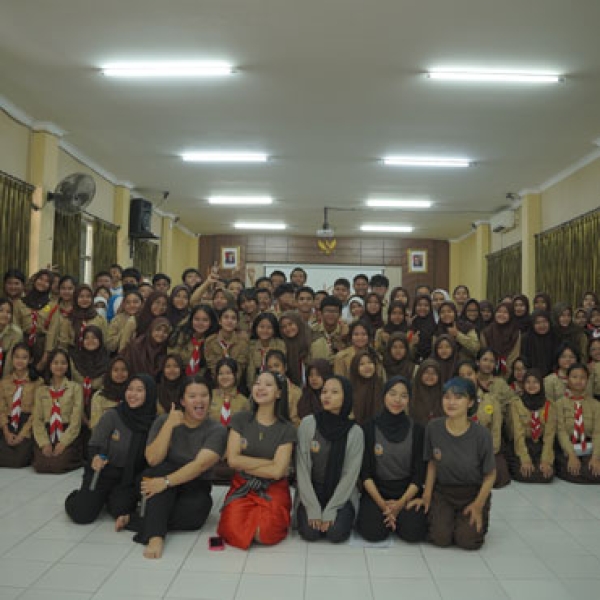
In 2021-2023, the project Food Investigator Game was implemented with support from Fondation Botnar. The activities included co- creating a food investigator game with adolescents & co-developing a healthy snacking campaign, conducting a series of youth advocacy trainings, Government Stakeholder meetings sharing evidence of snacks food labeling, and collaboration with retailers.
Food System Dashboard (FSD)
Launched in 2020, the Food Systems Dashboard (FSD) was developed by Johns Hopkins University and the Global Alliance for Improved Nutrition (GAIN), further collaborating with several UN agencies, universities, and NGOs.
The FSD presents curated food systems data in a simple, easy-to-understand visual. It brings together over 200 indicators for over 230 countries from over 40 data sources. In Indonesia, FSD is being implemented in collaboration with the Ministry of National Development Planning Agency (BAPPENAS) which will develop a sub-national food systems dashboard with indicators of food systems from 514 regencies/cities and 34 provinces.
Food and Land Use Alliance (FOLU)
FOLU is a global community of organisations and individuals working together to transform the food and land use system.
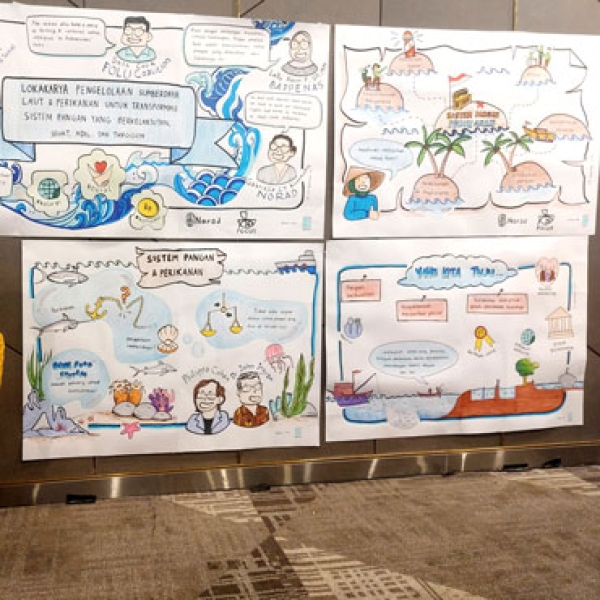
GAIN Indonesia has been working with (FOLU) coalition to support the food system transformation. GAIN's role is to push the agenda of the National Platform of Food System Transformation Indonesia action Track 1 to improve access, diet quality, and safety among Indonesians to support the RPJMN 2020-2024 and as part of the Decade of Action to attain the Sustainable Development Goals (SDGs) by 2030.