Aligning Food Systems with Net Zero Ambition through Sub-National Food and Nutrition Action Plan
Trenggalek, East Java (May 19–20, 2026), Indonesia
Trenggalek, East Java (May 19–20, 2026), Indonesia
T he Global Alliance for Improved Nutrition (GAIN), in collaboration with the Food and Land Use Coalition Indonesia (KSPL), officially launched its support for the development of the Regional Action Plan for Food and Nutrition Based on Local Resources (RAD-PG BPSDL) in Trenggalek Regency. The two-day inception meeting marked a critical step toward building a more resilient, nutritious, and sustainable local food system.
The initiative is part of a joint effort between GAIN, IPB university, and KSPL—Indonesia’s platform within the global Food and Land Use Coalition (FOLU)—to transform food systems in line with the Nutrition for Growth (N4G), Sustainable Development Goals and the Paris Agreement.
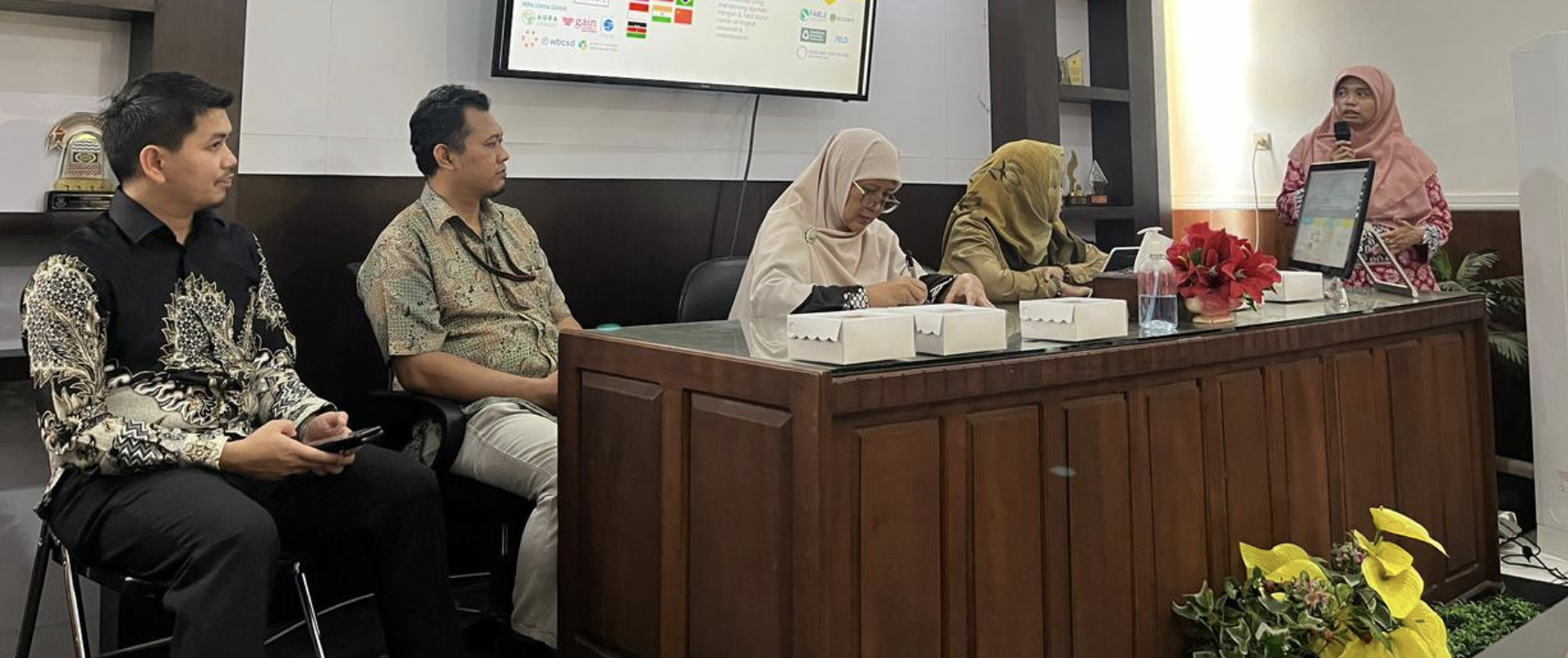
Indonesia’s food system faces multiple and interconnected challenges, ranging from nutrition and health issues to environmental and economic pressures. Addressing these challenges requires a systemic approach that integrates production, distribution, consumption, and waste management. The Government of Indonesia committed to mainstream climate actions such as promoting sustainable and healthy foods; and reducing food loss and waste in the national and sub national food and nutrition action plan 2025-2029.
GAIN’s support for RAD-PG BPSDL in Trenggalek builds on its prior research on sustainable, healthy local food systems across eight provinces in Indonesia. This initiative positions Trenggalek as a key district in advancing locally driven, evidence-based food and nutrition planning.
After the successful support to the development of food and nutrition action plan for Bogor city, GAIN aims to expand the same support to rural settings. Trenggalek Regency offers strong foundations for this work. The region is a significant hub for diverse local food commodities—including rice, maize, soybeans, horticultural products, and fisheries—demonstrating its potential for a nutrition-sensitive food system.
The district has also shown strong governance and coordination capacity, having successfully implemented previous RAD-PG actions (2022–2024) and established effective collaboration among local government agencies.
Another key dimension that strengthens this initiative is the commitment of the Trenggalek Regency Government to achieving net zero emissions. This ambition reflects a growing recognition that food systems are deeply interconnected with climate change—both as a contributor to emissions and as a sector highly vulnerable to climate impacts.
By emphasizing local food production, diversified diets, reduced food loss and waste, and efficient resource use, the RAD-PG BPSDL contributes directly to lowering the environmental footprint of food systems. At the same time, strengthening local supply chains reduces reliance on long-distance distribution, further supporting emission reduction goals.
These factors make Trenggalek an ideal partner for advancing the next phase of food and nutrition planning (2026–2029). GAIN’s involvement helps ensure that nutrition objectives are aligned with climate goals—demonstrating how healthier diets and sustainable food systems can go hand in hand with net zero pathways.
The kick-off meeting brought together 65 participants from across sectors, including government agencies, research institutions, civil society, and private sector actors.
Participants represented key institutions such as: Regional Development Planning Agency (Bapperida), Health, agriculture, fisheries, and social service departments, National agencies (e.g., BULOG, BPOM, BPS, BGN), Academia, private sector, and community organizations.
This diverse participation reflects the cross-sectoral nature of food systems and the importance of coordinated action.
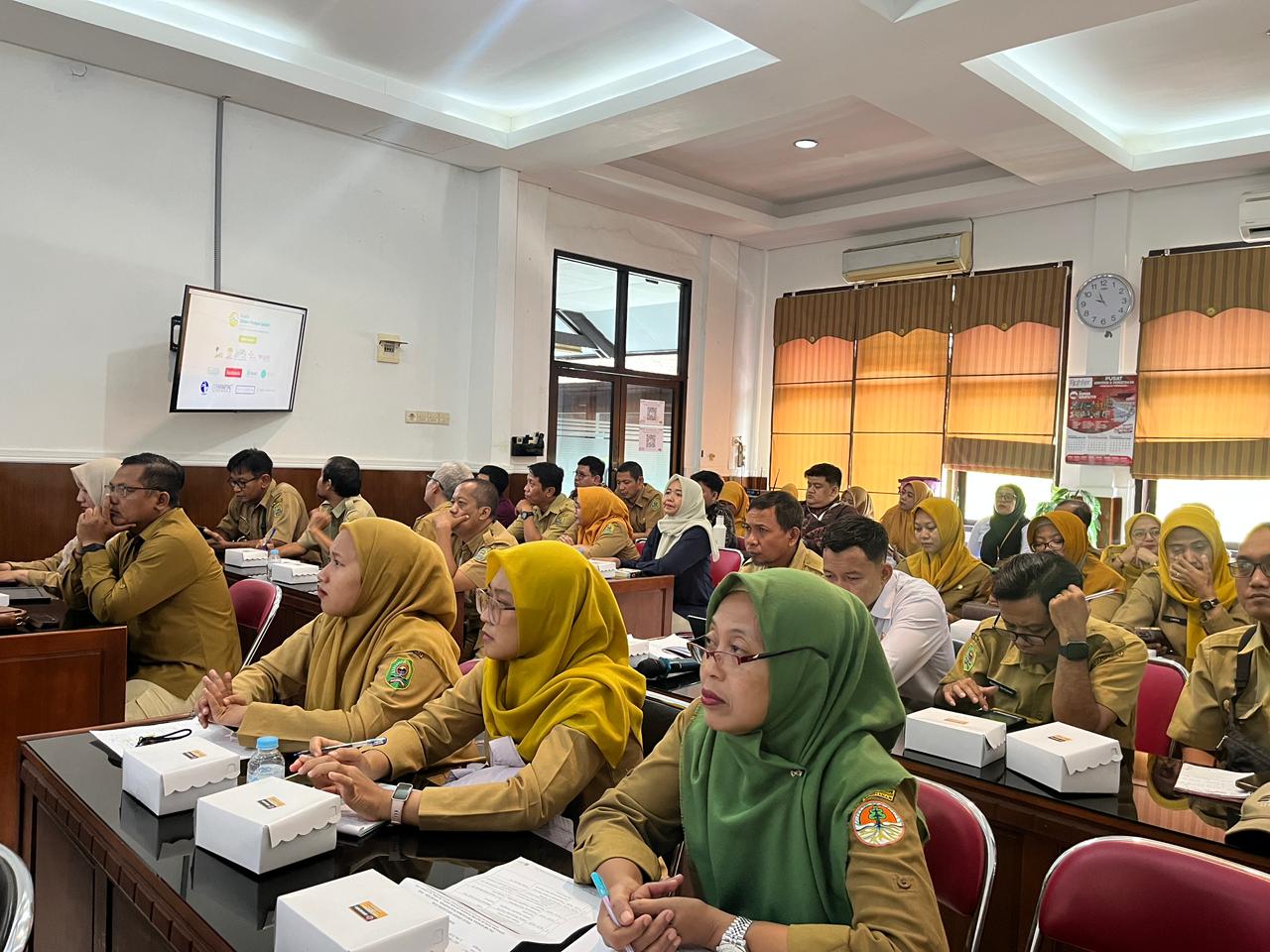
The two-day event combined: presentations and discussions on the workplan of development process of RAD PG, technical consultations on indicators, data, and food systems, stakeholder mapping, and in-depth interviews with local government agencies.
GAIN played a central role in facilitating sessions on RAD-PG BPSDL design, including guiding discussions on indicators, data requirements, and analytical approaches.
A key objective was to establish a shared understanding of priorities and align stakeholders on the roadmap for developing the RAD-PG BPSDL 2026–2029.
The inception meeting delivered several important results: Agreement on coordination mechanisms across sectors; Initial identification of indicators for the RAD-PG BPSDL, including food, nutrition, environmental and climate indicators; Commitment to data sharing and evidence-based planning; Draft workplan for the development process; and Initial data collection through interviews and desk reviews.
These outputs form the backbone for the next stages of analysis and strategy development.
The development of the RAD-PG BPSDL 2026–2029 will follow a structured, multi-step process, starting with baseline data collection and situation analysis on climate and food systems.
Ultimately, the plan aims to: Strengthen food security and nutrition outcomes, promote sustainable use of local resources, Enhance resilience to environmental and climate challenges, and Support regional and national development targets (RPJMD and RPJMN).
For GAIN, this initiative represents a critical opportunity to advance locally grounded solutions to nutrition challenges—ensuring that communities not only have access to food, but to nutritious, sustainable, and culturally relevant diets.
The strong engagement from Trenggalek stakeholders demonstrates a shared commitment to improving food and nutrition outcomes. With continued collaboration between local government, KSPL, and GAIN, Trenggalek is well positioned to become a model for sustainable food system transformation in Indonesia.

Environment Manager