Off the sand: how cleaner dried fish changed Isabel’s business
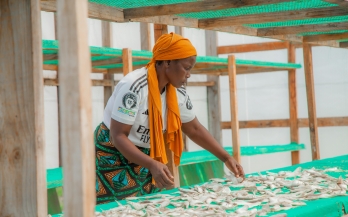
For years, sand and sudden rain could reduce the value of Isabel Alfândega’s dried fish. A solar drying tent now keeps her fish off the ground, shortens the drying process and helps her secure a better price.
I-CAN Landscaping Analysis on Climate and Nutrition Policies and Stakeholders in Mozambique
- 14/09/2026
Mozambique faces interconnected climate and nutrition challenges. Recurrent droughts, floods, cyclones, and extreme rainfall disrupt agricultural production, livelihoods, markets, water and sanitation systems, and health services, with important consequences for food security and nutrition. These hazards are particularly significant because many households depend on climate sensitive agriculture for food and income. This assessment examines how Mozambique’s national policies and institutional landscape frame the connection between climate and nutrition .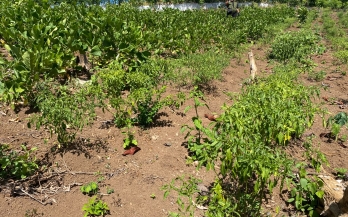
Jack Beans Thrive During El Niño Conditions
Jack bean offers Indonesia a practical, climate-resilient crop option at a time when El Niño, drought and rising climate variability are putting farmers, food security and agricultural systems under increasing pressure. Drawing on experiences from drought-prone regions across Indonesia, the blog highlights how jack bean continues to grow, flower and produce when crops such as maize, chili and soybean struggle or fail.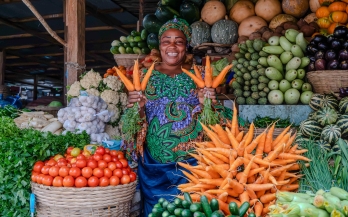
The Priority List: which foods have the greatest potential to improve nutrition?
A new tool helps decision makers do just that. The Priority List uses a holistic food rating system called the Nutritional Value Score to identify the most nutritious foods for programmes and policies. In low- and middle-income countries where GAIN and partners work, every bite counts towards tackling persistent undernutrition and rising rates of diet-related chronic disease.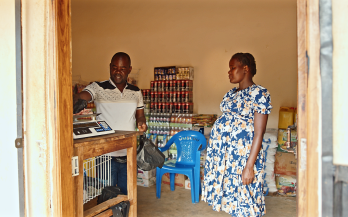
Strengthening Local Enterprise to Improve Access to Nutritious Food
In Tehene, a remote community near Gurué in central Mozambique, high costs and difficult market access mean families rarely eat animal-source foods such as frozen fish or chicken. To help close this gap, entrepreneur Inocêncio Calado founded Alto Licungo, a cold chain distribution business supported by GAIN’s Improving the Consumption of Animal Source Foods project. Inspired by his late father, Inocêncio is helping transport perishable foods safely across long distances so rural communities can access nutritious foods more regularly.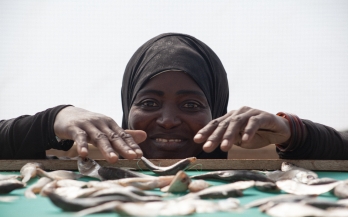
From sand to solar tent
Moma, Mozambique – When Islova Alberto Aly decided to venture into fish drying, her primary aim was to generate an income to support her children's education. Little did she know that her traditional fish drying methods—spreading fish on the ground by the Mucoroge beach, exposed to sand, dust, sun, and bacteria—would harm her community.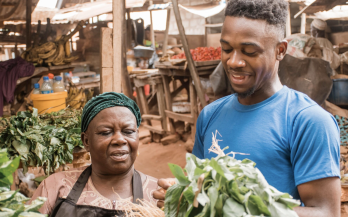
Business Engagement at UNFSS+4: The Experience of GAIN supported MSMEs (Interview with Max)
The Second United Nations Food Systems Summit Stock take (UNFSS +4) which held 27–29 July 2025 in Addis Ababa, co‑hosted by Ethiopia and Italy – closed with a powerful reaffirmation of political will, partnership, and accountability in support of sustainable, inclusive, and resilient global food systems transformation. It brought together 3,500+ participants, 145+ national delegations and 700+ non-state actors. Participants from governments, civil society, producers, youth, Indigenous Peoples, academia, and the private sector gathered for Plenary sessions, High-level Panels, Ministerial Roundtables, Investment Dialogues, and Stakeholder-led constituencies.
Mozambique: Nourishing rural markets with fresh and safe food supplies
Chimoio, Mozambique – A white Hino truck rattles under its own weight on the bumpy road, while its tires throwing particles of dust from the asphalt in the air from the district of Cantandica, Manica province, central Mozambique.