
Magdalawit Ghirma
Communication Manager, Demand Generation
Under the RE-GAIN climate adaptation initiative led by AGRA, the Global Alliance for Improved Nutrition (GAIN) held an official launch for its work on transforming wholegrain value chains to reduce food loss and improve dietary quality, on 29 September 2026.
As grain processing evolves, refined wheat flour has become widely valued for its smooth texture and lighter colour. However, heavily processed grains lose their nutritional richness, while wholegrain wheat offers additional nutritional benefits. Wholegrain wheat retains the bran and germ, which contain much of the grain’s dietary fibre, iron, zinc, magnesium, B vitamins, and are important for healthy growth, development and long-term health. .
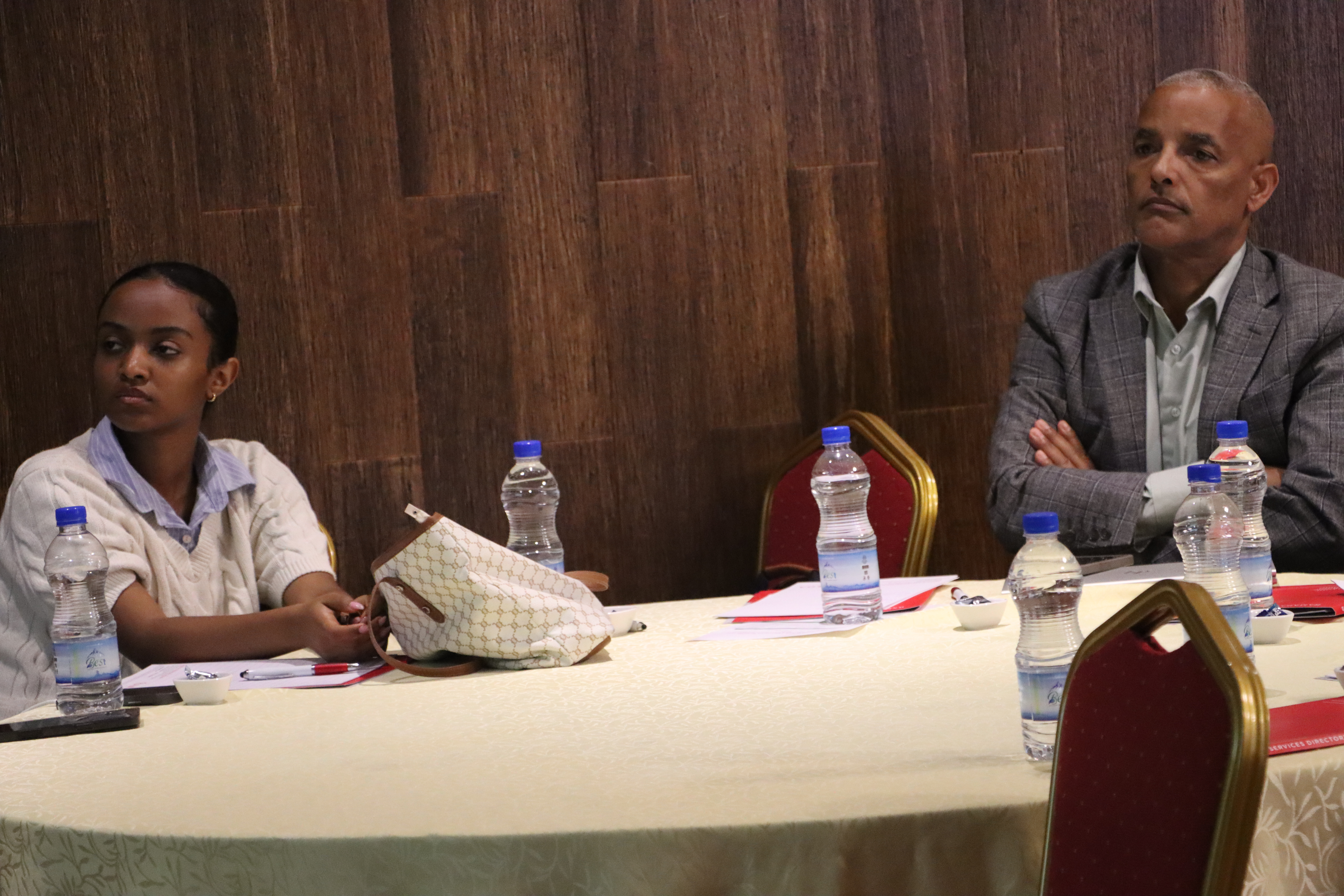
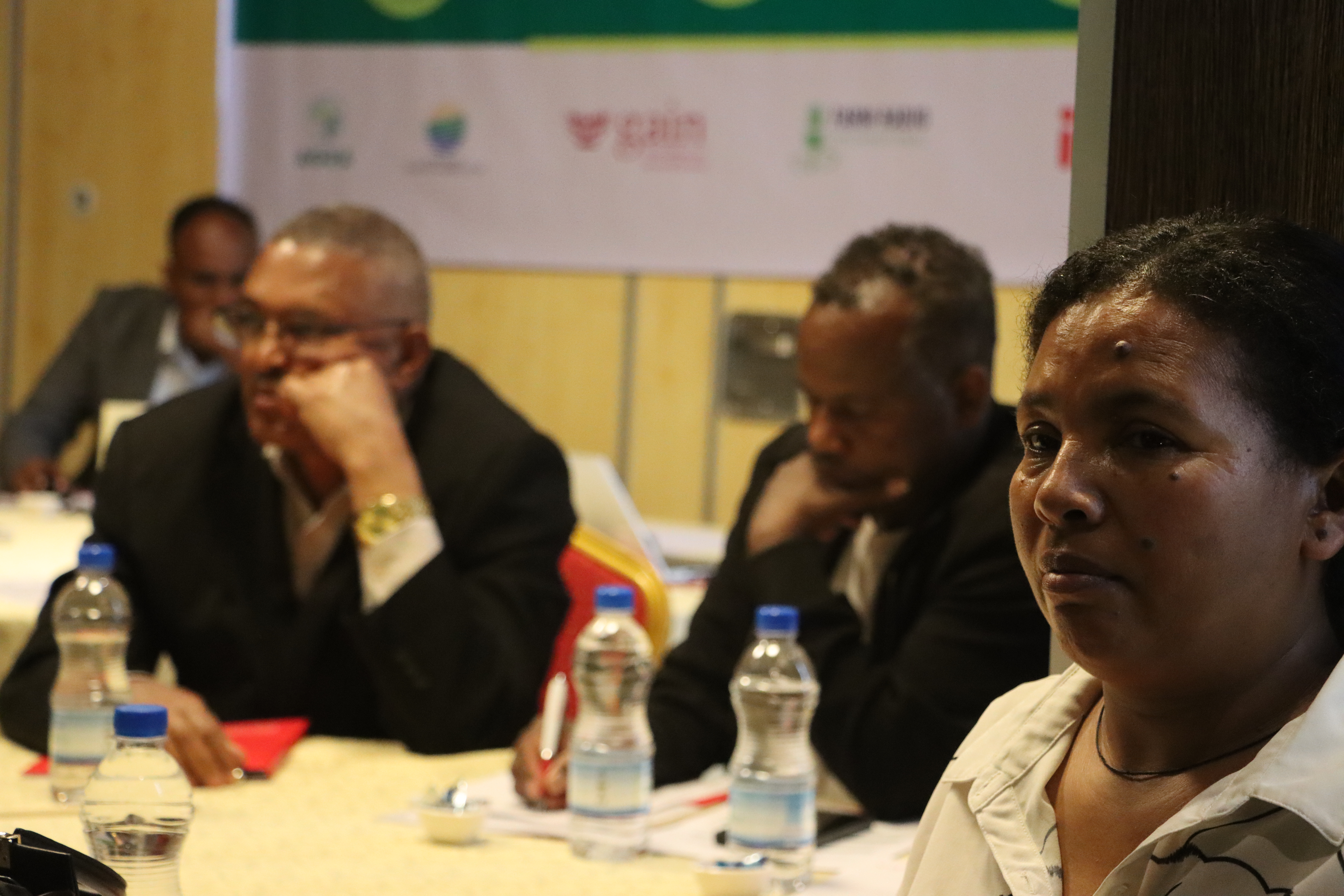
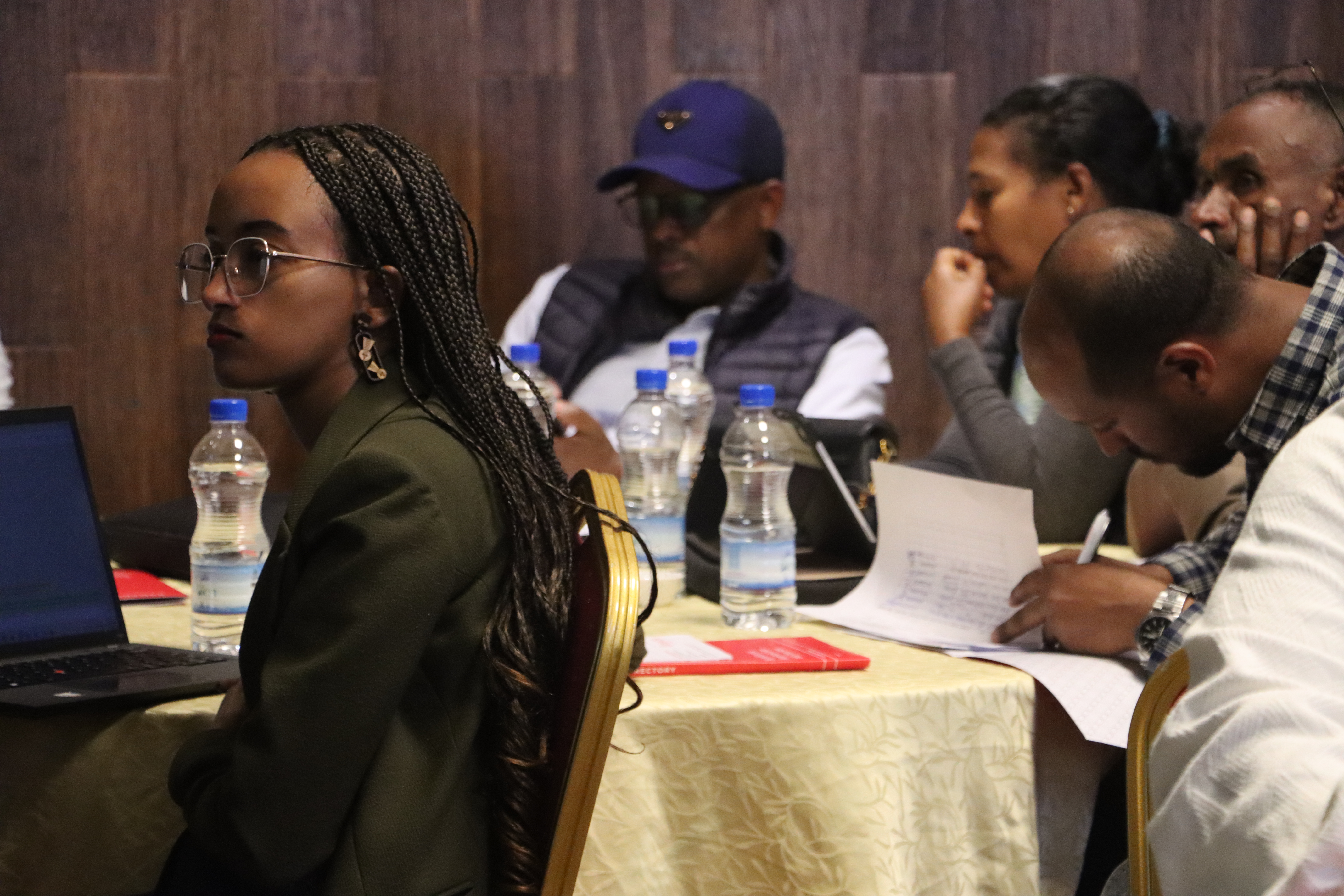
The launch commemorated GAIN’s two-year activity covering the Amhara, Central Ethiopia, and Oromia regionsand brought together project partners, as well as key partners from private and public backgrounds – exploring the project’s core activities, sharing findings from the field and discussing opportunities to strengthen wholegrain value chains and improve dietary quality.
As part of the AGRA-REGAIN partnership, GAIN will strengthen the processing capacity of SMEs, coops and processers, improve market linkages and awareness and advocate for supportive policy environment, ensuring that over 76,400 direct smallholder farmers and processors improve their consumption of wholegrains, and supporting 162,800 individuals indirectly.
Tadesse Denekew, GAIN’s Project Coordinator for the project said “Whole-grain consumption is not new, before refined flour was commonplace – farming families have been eating wholegrain bread for generations. However we have lost much of the grain’s goodness through processing, as refined foods become associated with modernity.” GAIN will work with government and private institutions to strengthen awareness and perceptions among consumers, build market linkages and enhance capacity to process wholegrain wheat.
14% of Ethiopia’s caloric intake comes from wheat, with Ethiopians consuming an estimated 7.82 metric tonnes of wheat every year – making it a key staple in diets. The removal of the bran and germ account for around 30% of food loss of wheat and 3-8% of the remaining wheat is lost during processing at factory level. This loss represents food that should be consumed lost to processing, in a country where 59% face moderate or severe food insecurity.Yared Addisu, Food and Nutrition Study Capacity Buildings Desk Head for the Ethiopian Ministry of Agriculture emphasised that the ministry is well aware of the heavy impact of food loss in Ethiopia, adding tha, “Approximately 20–30% of grains...may be lost during postharvest handling, processing, storage, and distribution”.
While this presents a significant challenge, it is one that can be overcome. With the right tools and approaches, strong alignment with government priorities, and the combined efforts of partners across the value chain, there is an opportunity to shift how wholegrains are produced, processed and consumed. He added,“Transforming the wholegrain wheat value chain can help address these challenges by reducing losses ... maintaining the nutrient-rich germ and bran layers during processing helps preserve essential dietary fiber, vitamins, minerals, and bioactive compounds, thereby reducing nutritional losses and improving dietary quality."
GAIN will work with the Ethiopian Government, to cascade training to Health Extension and Agricultural Extension Workers, collaborating to raise awareness around the benefits of wholegrain wheat among farmers.
The project will support market linkages between smallholder farmers wholegrain processors and financial process providers to strengthen value chains, improve food safety and quality, and expand market access.
The project will lay the foundation for increased wholegrain consumption as a pathway to reducing food loss and improving dietary quality. This is only the beginning. The Government has committed to working closely with GAIN to lead this effort, with the long-term vision of taking ownership of the wholegrain agenda, integrating it into government plans and priorities, and scaling up successful approaches to achieve sustainable, nationwide impact.
Communication Manager, Demand Generation

Ethiopia, Country Director
Technical Specialist (LSFF, Biofortification and Food Safety), Knowledge Leadership

Media and Communications Manager

Head of Communications, GAIN
Wholegrain Transformation Project Coordinator at GAIN