Gurue, Zambézia, Mozambique – In Tehene, a remote community outside Gurué in central Mozambique, I asked a few residents how often they ate fish or frozen chicken.
The answer came without hesitation.
“On special occasions. Children's Day. Mozambican Women's Day. And at the end of the year.”
For many families, fish and chicken were not part of everyday meals. They were reserved for celebrations, bought only when there were enough money and the journey to the market was worth making.
Earlier that day, I had travelled through Gurué's green mountains, along red dirt roads and narrow rural tracks, to meet Inocêncio Calado, founder of Alto Licungo, a growing cold chain distribution business supplying frozen fish and chicken to retailers across Gurué District. He is one of the entrepreneurs supported through GAIN's Improving the Consumption of Animal Source Foods project, funded by the Ministry of Foreign Affairs of the Kingdom of the Netherlands.
Our conversation began with the business: sourcing products, serving customers, responding to growing demand and transporting highly perishable foods safely across long distances.
Then I asked who had inspired him.
His voice softened. After a long pause, his eyes filled with tears.
“My father always encouraged me to keep going,” he said quietly.
When the business was still small, his father believed in him, encouraged him to persevere and recognised his potential long before Inocêncio fully saw it himself. He died before seeing the refrigerated truck, the cold room or the communities his son's business now serves.
The business began with limited resources and no formal business management training, but with a clear understanding of a problem. Rural communities wanted access to fish and chicken, yet storing and transporting those foods safely remained a constant challenge.
“I always wanted to take fish and chicken to these communities, but it was extremely difficult. The distances were long, and it was hard to make sure the products arrived in good condition,” he recalled.
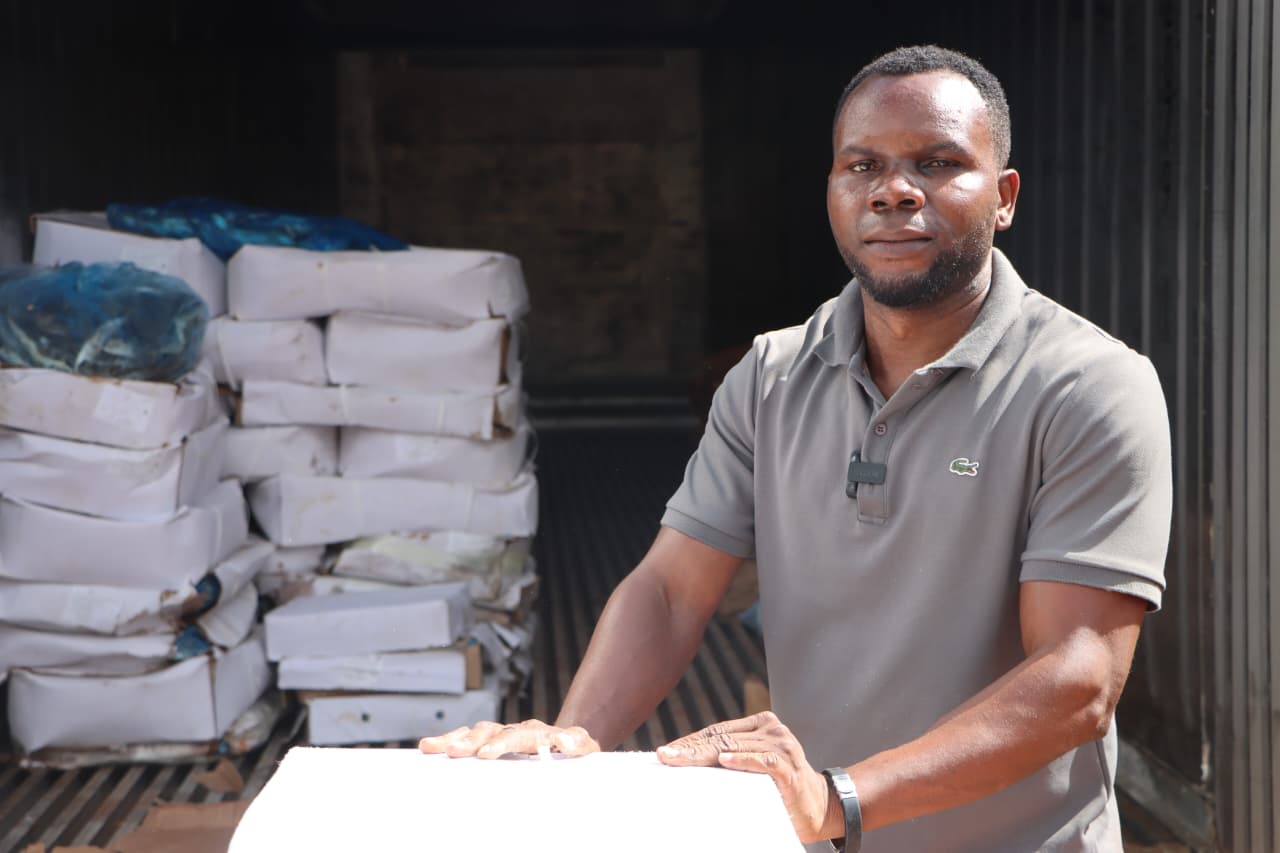
Through the project, Alto Licungo received a refrigerated truck, a cold room and equipment to preserve fresh products.
“With the project's support, we received a refrigerated truck, a cold room and equipment to preserve fresh products. Today, we are able to store them properly and distribute them in good condition.”
Inocêncio also received training in business planning and management, food quality and food safety.
Reliable cold storage and transport have enabled Alto Licungo to reach communities that previously had little or no regular access to frozen fish and chicken.
Before the project, the business sold between three and four tonnes of products each month through three retail outlets. Today, it distributes around 15 tonnes every month, operates 11 company-owned retail shops and supplies a growing network of independent retailers.
“When a local business grows, it creates more jobs and brings products closer to consumers,” Inocêncio said.
A short drive away, that impact becomes visible.
Tehene is not connected to the electricity grid. Without reliable refrigeration, retailers struggle to stock perishable foods, limiting what families can buy close to home.
There I met Mr Titos.
His modest shop is more than a place to buy food. It is where neighbours meet, exchange news and pick up everyday essentials. Beside it sits a small maize mill, an important service in a community where many households rely on maize flour, soya and leafy vegetables, with dried fish whenever it is available.
Until recently, anyone wanting frozen fish or chicken had to travel to Gurué. For many families, the journey was too expensive, too time consuming or simply too difficult to make regularly.
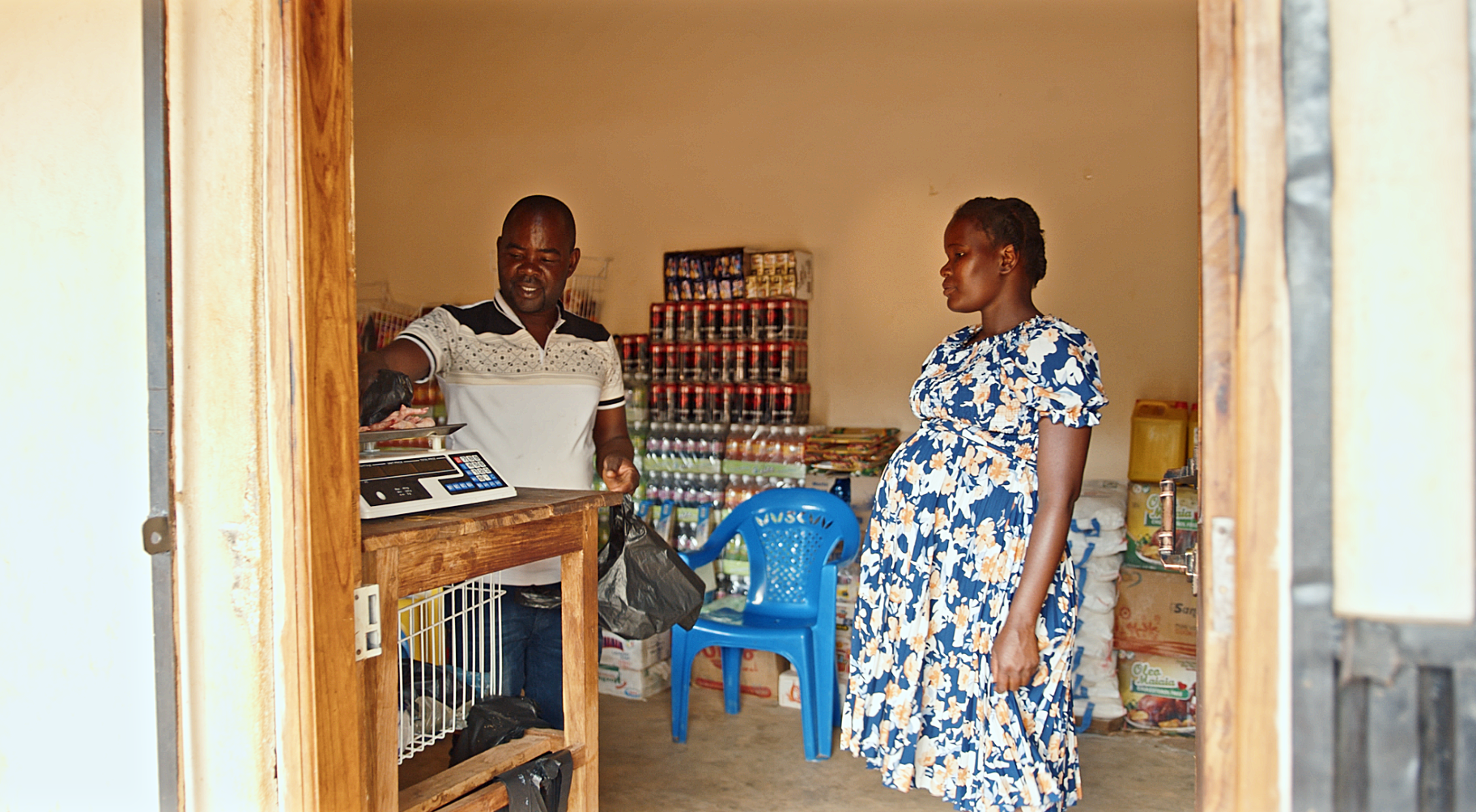
Through the project, Mr Titos received two solar-powered freezers.
In a community beyond the electricity grid, they transformed what his shop could offer. For the first time, he could safely store and sell frozen fish and chicken throughout the year, bringing products once available only in town much closer to the people who needed them.
Inside the shop I met one of his regular customers, Mrs Sara.
“We used to travel a long way just to buy chicken portions. Now we can buy them here, whenever we need them.”
Buying food closer to home means families spend less on transport and have greater flexibility in what they prepare for their households. Digital scales also allow customers to buy chicken by weight rather than purchasing a whole bird, making animal source foods more affordable for families with limited incomes.
The impact of that investment extends well beyond one business.
Mr Titos can now stock products he once had no means of storing. Mrs Sara no longer has to travel long distances to buy chicken for her family. Across Tehene, households have easier access to nutritious food closer to home.
Many rural communities across Mozambique still face long journeys, limited infrastructure and unreliable access to safe, nutritious food. Expanding cold chain solutions will continue to require investment, partnership and local enterprise.
Inocêncio's father never saw the refrigerated truck or the communities it would one day serve. Today, families in places like Tehene have greater access to nutritious food because local entrepreneurs have the tools, skills and infrastructure to bring it within reach.