Webinar: From Market Stalls to City Government Halls
Inspiration Kongamano
📅 24 March 2026
⏰ 12:00 CET
💻 Online – Zoom
Inspiration Kongamano
📅 24 March 2026
⏰ 12:00 CET
💻 Online – Zoom
Inspiration Kongamano
📅 24 March 2026
⏰ 12:00 CET
💻 Online – Zoom
Inspiration Kongamano
📅 24 March 2026
⏰ 12:00 CET
💻 Online – Zoom
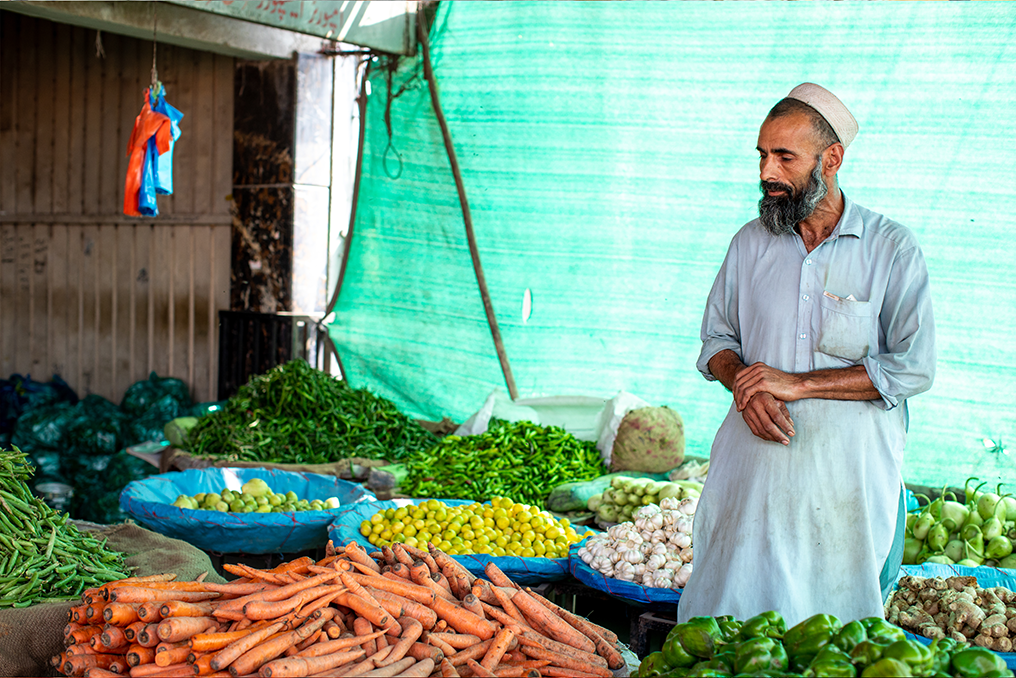
Cities and their local and traditional food markets are vibrant hubs where food, people, and culture intersect. Beyond being places of trade, markets connect farmers, small businesses, vendors, and consumers creating essential bridges between rural and urban food systems.
Across many low- and middle-income countries, urban residents rely heavily on purchased food. Local markets therefore play a crucial role in shaping access to affordable, safe, and diverse diets. Vendors and market systems also serve as spaces of innovation from micro-finance initiatives and food waste reduction to new income streams for vendors and small enterprises.
City governments and market actors together influence how food systems function. Decisions related to land use, infrastructure, sanitation, food safety, and economic development all affect how markets operate and how communities access healthy diets. When governments and markets collaborate effectively, they can strengthen resilience, support livelihoods, and improve nutrition outcomes.
Despite their importance, traditional and local markets are often viewed primarily as economic trading spaces rather than critical components of healthy food systems. This narrow perspective has historically limited investment and inclusive decision-making. As a result, many markets face inadequate infrastructure such as poor sanitation facilities, insufficient storage, unreliable water access, and limited waste management systems. These constraints affect vendor livelihoods, food safety practices, and the dignity of market environments.
Cities and market actors around the world are increasingly recognizing the transformative potential of local markets. Through new governance approaches, investments, and partnerships, markets are being re-imagined as key drivers of resilient, inclusive food systems.
This webinar will highlight emerging lessons and experiences, including insights from initiatives such as the CityFood Market Handbook for Healthy and Resilient Cities and collaborations between ICLEI – Local Governments for Sustainability and GAIN.
This Inspirational Kongamano webinar aims to:
Please note these responses, findings, ideas, and conclusions presented here are those of the speakers and do not necessarily reflect positions or policies of any of GAIN’s donors and partners.

Technical Lead, Food Systems Governance Programme

Urban Food System Specialist at the FAO

Senior Food Systems Officer at ICLEI World Secretariat

Food Systems Governance Officer

Country project manager- Nutrition In City Ecosystems (NICE) in Kenya, working at Sustainable Agriculture Foundation- Africa (SAF-A) .

Head of the African City Food Centre at ICLEI Africa

Public Health Researcher
Participants will have the opportunity to engage during the session through Mentimeter polls and live chat Q&A, with a post-webinar Q&A follow-up shared afterwards.
When we think about improving nutrition, our minds often jump to the dinner plate: the colourful vegetables, the lean proteins, the whole grains. We focus on consumer choices, dietary guidelines, and the individual responsibility to eat healthily. But what if the most critical decisions shaping our nutrition have already been made long before the food reaches our plate? What if the very food environments where we buy our food are the true starting point for a healthy diet?
This is the reality for billions of people worldwide. Nutrition is not simply a matter of personal choice. It is a complex outcome shaped by the food environments people navigate every day.