Why Nutrition Starts Long Before the Plate
Blog, 17th March 2026
Blog, 17th March 2026
Blog, 17th March 2026
When we think about improving nutrition, our minds often jump to the dinner plate: the colourful vegetables, the lean proteins, the whole grains. We focus on consumer choices, dietary guidelines, and the individual responsibility to eat healthily. But what if the most critical decisions shaping our nutrition have already been made long before the food reaches our plate? What if the very food environments where we buy our food are the true starting point for a healthy diet?
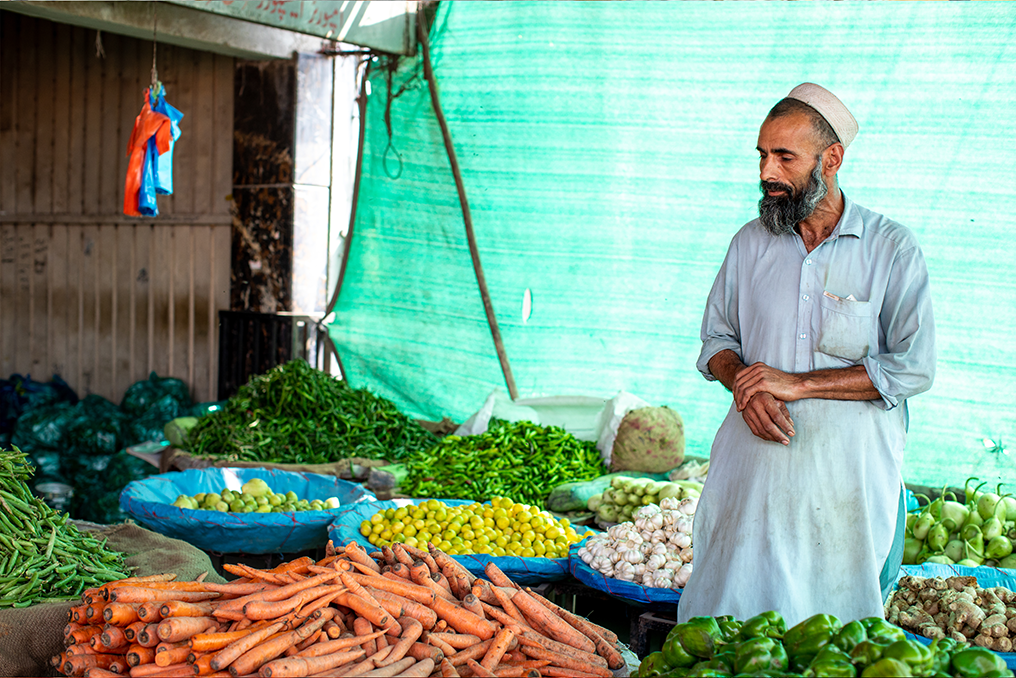
This is the reality for billions of people worldwide. Nutrition is not simply a matter of personal choice. It is a complex outcome shaped by the food environments people navigate every day. These environments, particularly the bustling local and traditional markets in cities in low- and middle-income countries, serve as the backbone of local food systems. It is in these market systems and places that the availability, affordability, convenience, and safety of food are determined. Underscoring these markets as critical intervention points, is the burden of two-thirds of urban and peri-urban residents who struggle with moderate to severe food insecurity – many of whom are dependent on food purchasing [1, 2].
Local and traditional food markets are far more than just places to buy and sell produce. They are vibrant, complex ecosystems where social, economic, and cultural forces converge. They are where vendors and market officials, through their daily routines and decisions, directly influence the quality and safety of the food supply. The journey of food from farm and fisheries to market is fraught with potential for nutritional degradation. Poor handling, inadequate cool chains and dry storage, and exposure to heat can all diminish the vitamin and mineral content of fresh produce long before it is ever consumed. This is a key insight that has been reinforced through technical workshops on leveraging local food markets for healthier diets. [3, 4]
Furthermore, these markets are often a blend of healthy and unhealthy food environments. Processed foods, and those high in salt, sugar, and unhealthy fats, are frequently more affordable and convenient than their fresh, nutritious counterparts. According to FAO, a healthy diet is unaffordable for more than 3 billion people globally [2]. When faced with widening socio- economic inequalities in cities alongside the pressures of daily life, the choice between a cheap, filling snack and more expensive, perishable fresh fruit becomes difficult.
This is where the interconnectedness of nutrition, food hygiene and safety, and food waste becomes starkly apparent. Food that is handled unhygienically can introduce pathogens, making consumers sick and potentially fatally so, a concern addressed by the Codex Alimentarius guidelines for traditional food markets [5, 6]. Food that is wasted represents not only a loss of income for vendors but also a loss of production resources and nutrients embedded in the food system [4, 6]. Addressing these challenges in isolation is limiting. A systemic approach is needed, one that recognises these markets as central hubs of food and people in the food system.
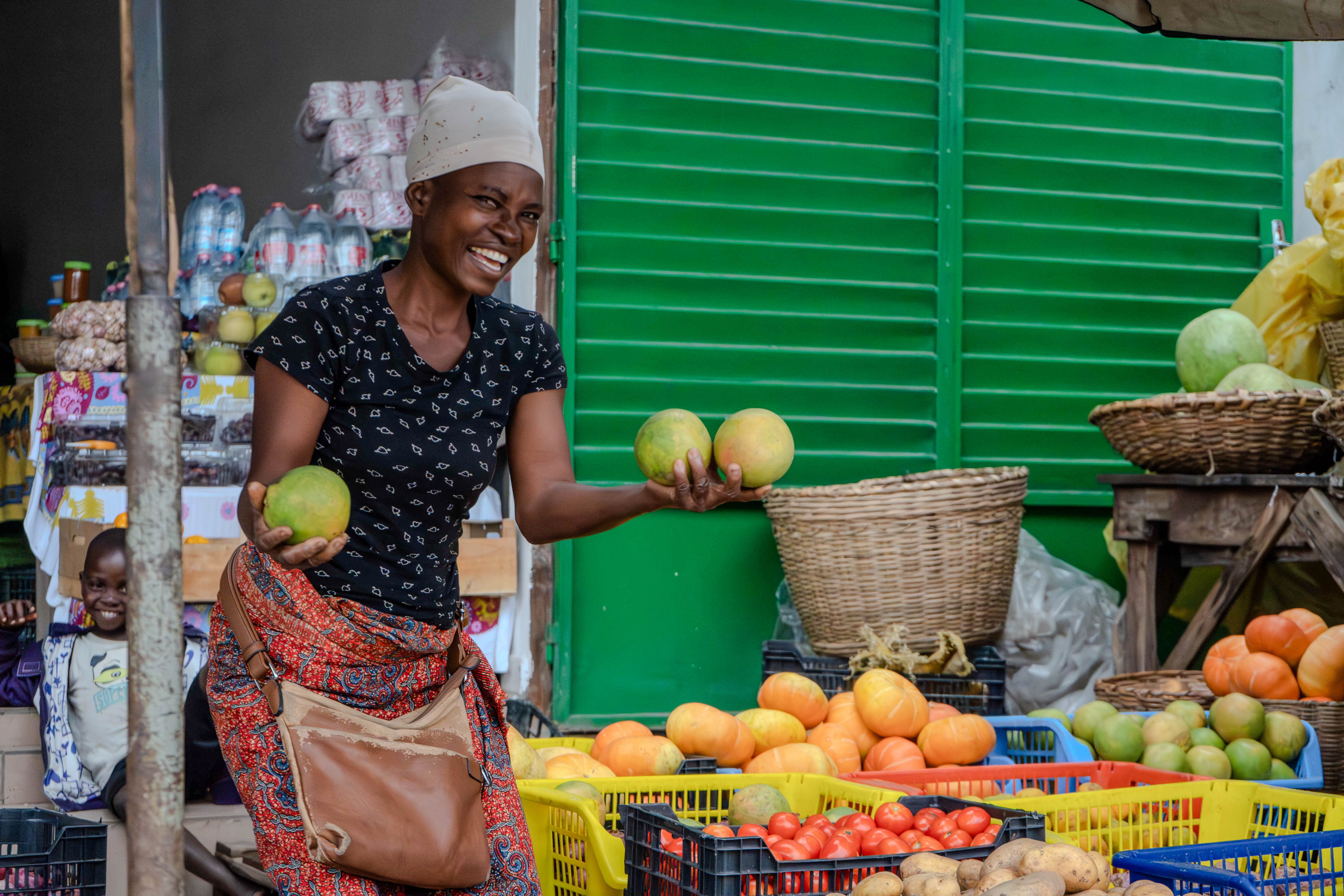
Recognising the need for a more integrated approach, the Global Alliance for Improved Nutrition (GAIN) developed ONE Nutrition, as a training and empowerment tool designed to help market actors see their role in the nutrition system more holistically. The tool is framed by a dignified, learning nutrition together approach; and a nutrition lens is applied to the food systems view from the market floor [7].
With GAIN’s facilitation, the ONE Nutrition tool was localised by county and city governments according to local contexts and delivery audiences. It is often used to train Trainers-of-Trainers, primarily officials from Departments of Trade and Health and market vendor champions. These trainers then train market committees and vendors, especially women vendor leaders. Since 2023, almost 1,400 people have been trained using this tool in multiple cities, across Kenya, Mozambique, Indonesia, and Tanzania, illustrating its scalability and transferability [7].
The innovation of ONE Nutrition lies in its Participatory Action Research approach. It promotes two-way learning between trainers and participants, across roles and genders, encouraging critical reflection and inclusive participation. Participants are supported to “see themselves in the learning” and to make more informed choices about transformative actions, access to safe and healthy diets, and the well-being of the environment, including reduced market food waste.
GAIN has recently produced a generic ONE Nutrition toolkit, available via open access, and for use by others – extending beyond GAIN’s programmatic activities. The toolkit comprises a Facilitator’s Guide and an adaptable slide deck designed to support localisation. Champions such as Departments of Health can select relevant modules, integrate national dietary guidelines, reflect religious or cultural food preferences, and incorporate photographs of local markets and food practices to enhance relevance and ownership [7].
ONE Nutrition toolkit (Facilitators Guide and Delivery Slide Deck) will be available, online, as an open access resource, in late March 2026.
The ONE Nutrition tool is part of a broader agenda to recognise and support the vital role and agency of city governments and local and traditional markets in food systems transformation. For example, initiatives like the Community of Interest for Cities and Markets, co-convened by ICLEI CityFood and GAIN, bring together hundreds of participants from dozens of cities, across the world, to share knowledge and best practices [8]. This community expands beyond the 31 cases presented in the CityFood Market Handbook for Healthy and Resilient Cities developed by ICLEI, GAIN and the World Farmers Markets Coalition, to be a living peer to peer inspiration- offering immense potential to deepen and scale locally led action for healthier, more resilient, and more equitable food environments [9].
The journey to better nutrition does not begin on the plate. It begins in the fields, lakes and oceans where food is grown and fished, on the trucks that transport it, places of aggregation and storage, and, most critically, in the bustling markets where hundreds of thousands of low income vendors operate and where millions of people make their daily food choices. By empowering market actors with the knowledge and tools to think systemically, and by learning nutrition together from the market floor outward, we can strengthen access to healthy diets, livelihoods, and local food systems governance.
Dr. Ann Trevenen-Jones leads GAIN’s Food Systems Governance programme and is the GAIN representative for the Transforming Urban and Rural Food Systems Consortium (TURFS) and for the UNFSS Coalition on Sustainable and Inclusive Urban Food Systems. Ann has been instrumental in shaping and future proofing the Food Systems Governance programme – with a particular focus on those most vulnerable to food insecurity and malnutrition in sub-Saharan Africa and Asia.

Technical Lead, Food Systems Governance Programme
This Inspirational Kongamano webinar brings together city and market actors who are actively working to build more just, sustainable, and resilient food systems — with a clear focus on improving access to healthy diets.
You’ll hear practical insights on: