Global Alliance for Improved Nutrition (GAIN)
  • About

    About

    About

    The Global Alliance for Improved Nutrition (GAIN) is a Swiss-based foundation launched at the United Nations in 2002 to tackle the human suffering caused by malnutrition.

    Learn more about GAIN

    • Who we are
      • Vision and mission
      • Strategy
      • Core values
      • Policies
    • Malnutrition
      • Definition
      • Quick facts
    • Partnerships
      • All Partners
      • GAIN Nordic Partnership
      • Global Fortification Data Exchange (GFDx)
      • Act4Food Act4Change
      • Zero Hunger Private Sector Pledge
    • Leadership
      • Strategic Management Team and Country Directors
      • Board of Directors
      • Partnership Council
      • Get to know our Executive Director
    • Sustainable Development Goals
    • Donors
      • Support us
      • See current donors
  • Impact

    Impact

    Impact

    Explore how GAIN has reached over one billion people since 2001, transforming their lives with improved nutrition through concerted action and effective policy change.

    Read our Stories of Impact

    • Stories of Impact
    • Programmes

      All programmes

      • Food Fortification
        • Large-Scale Food Fortification
        • Nutrient Enriched Crops
      • Thriving Nutrition Enterprise
        • Nutrition Investing
        • Nutrition Impact at Scale
        • Nutrition Enterprise Development
        • SUN Business Network
      • Empowering Food Systems Actors
        • Food Systems Governance
        • Children and Young People
      • Social Protection
      • Workforce Nutrition
      • Enabling Coherent Food Systems Policies
        • Nourishing Food Pathways
        • CASCADE (CAtalyzing Strengthened policy aCtion for heAlthy Diets and resiliencE)
      • Enhancing Value Chains for Underconsumed Foods
        • Explore Enhancing Value Chains for Underconsumed Foods
        • DELIVER Nigeria
      • Shifting Demand
        • EatSafe
        • Consumer demand generation
        • Food Culture Alliance
        • Multiple Micronutrient Supplementation (MMS) Project
      • Enhancing Nutrition with Data & Evidence
        • Food Systems Countdown Initiative
        • Global Diet Quality Project
        • Food Systems Dashboard
        • Initiative on Climate Action and Nutrition (I-CAN)
    • Cross Cutting Themes

      All Cross Cutting Themes

      • Environment
      • Food Safety
      • Gender
      • Youth
      • Food System Resilience
      • Reaching the Very Poor
    • Nourishing Food Pathways
    • Our response to COVID-19
    • Outcomes
  • Resources

    Resources

    • Publications

      Publications

      Explore a full range of publications and documents related to our work.

      Explore our Publications

      • Reports and Publications
      • Datasets
      • Annual reports
      • Nutrition Connect
    • Multimedia

      Multimedia

      Have a look at our photos, listen to our latest podcast and watch our videos.

      Explore our Multimedia

      • Videos
      • GAIN Interview Cruncher Series
      • Bite the Talk - GAIN Podcast Series
      • Glossary
      • Brand identity
    • Newsroom

      Newsroom

      Our dedicated newsroom that includes our latest news releases and statements, as well as curated blogs and interviews

      Explore our Newsroom

      • News releases
      • Blogs
      • Statements
      • Speeches
      • Programme and project updates
      • Interviews
      • GAIN in the news
      • Stories
  • Events

    Events

    • All events

      All events

      Explore how GAIN has reached over one billion people since 2001, transforming their lives with improved nutrition through concerted action and effective policy change.

      Browse our events

    • Campaigns

      Campaigns

        Explore how GAIN has reached over one billion people since 2001, transforming their lives with improved nutrition through concerted action and effective policy change.

      Browse our campaigns

  • Countries

    Countries

    Countries

    Headquartered in Geneva, Switzerland, GAIN has offices in countries with high levels of malnutrition: Bangladesh, Benin, Ethiopia, India, Indonesia, Kenya, Mozambique, Nigeria, Pakistan, Rwanda, Tanzania and Uganda. To support work in those countries, we have representative offices in the Netherlands, the United Kingdom, and the United States.

    Countries

    • Country Offices
      • Bangladesh
      • Benin
      • Ethiopia
      • India
      • Indonesia
      • Kenya
      • Mozambique
      • Nigeria
      • Pakistan
      • Tanzania
      • Uganda
    • Representative Offices
      • The Netherlands
      • United Kingdom
      • United States of America
    • Headquarter
      • Switzerland
  • Careers
    • Careers at GAIN
    • FAQ
  • Request for proposal
  • Financials
  • Donate
  • Contact us
GAIN Discussion Paper Series 8 - The product reformulation journey so far: an assessment

GAIN Discussion Paper Series 8 - The product reformulation journey so far: an assessment

- 22/10/2020

Deteriorating nutrition and health outcomes have stimulated nutrition programmes and policies to strive to reduce the intake of salt, added sugar, and unhealthy fats towards recommended targets. Alongside promoting the consumption of fresh nutritious foods (e.g., fruits, vegetables, and whole grains), reformulation of processed foods may make an important contribution to improving diets.
COVID-19 is making it harder for vulnerable people to access healthy food

COVID-19 is making it harder for vulnerable people to access healthy food

- 07/10/2020

At every life stage, micronutrients are crucial to immune system function and resilience to infectious disease. This brief makes the case for large scale staple food fortification as a critically important tool to fight malnutrition in general, and even more so during the global COVID-19 pandemic.
Eggs - one of nature's most nutritious foods

Eggs - one of nature's most nutritious foods

- 09/10/2020

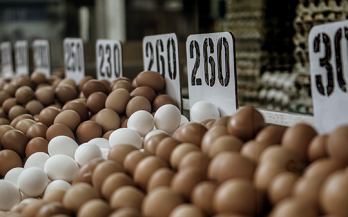
Although eggs are highly nutritious, they remain scarce and relatively expensive in many low-income settings, including across many of the countries where GAIN operates. Moreover, they are only rarely consumed by children in many regions. Globally, the average egg supply is around 3.5 eggs per person per week.
Tomatoes - the world's most popular vegetable

Tomatoes - the world's most popular vegetable

- 29/09/2020

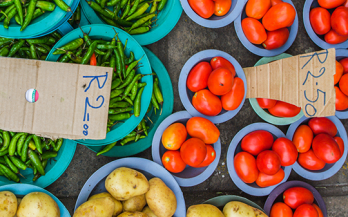
In countries where the Global Alliance for Improved Nutrition (GAIN) main offices are located, tomatoes vary in abundance - with the average supply from approximately one tenth of a medium-sized (60g) tomato per person per week in Ethiopia, to four medium-sized tomatoes per person per week in India, and up to 12 medium-sized tomatoes per person per week in the US.
Breastmilk - the best infant food

Breastmilk - the best infant food

- 05/08/2020

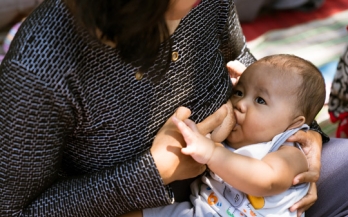
Experts estimate that in low- and middle-income countries, optimal breastfeeding has the potential to prevent more than 800,000 deaths in children under age 5 and 20,000 deaths in women every year. Despite this, breastfeeding remains underexploited globally. While the progress seen is positive, there is still a long way to go to achieve global nutrition targets.
Urban Food Environments in Low- and Middle-Income Countries

Urban Food Environments in Low- and Middle-Income Countries

- 16/07/2020

In urban areas in Low- and Middle-Income Countries, rates of overweight, obesity and diet-related non-communicable diseases (NCDs) are increasing. At the same time, undernutrition persists, particularly among those on low incomes. Where people acquire their food and factors such as availability, affordability and convenience all influence what people eat in urban areas (i.e. urban food environments) and are essential to people’s diets, nutrition and health
Sugar-sweetened beverage consumption and taxation

Sugar-sweetened beverage consumption and taxation

- 15/07/2020

Consumption of sugar-sweetened beverages (SSBs) is rising rapidly, especially in urban areas in low- and middle-income countries (LMICs). SSB consumption increases the risk for overweight and obesity, which are linked to a variety of non-communicable diseases (NCDs), including diabetes, cardiovascular diseases and certain types of cancer. One policy tool targeted at lessening the consumption of SSBs is a SSB tax, which increases the price of sugary drinks in a given area, which could be a single city, states or a country.
Impact of COVID-19 on food systems: a situation report I

Impact of COVID-19 on food systems: a situation report I

- 10/05/2020

These document series summarise some rapid assessments undertaken by the Global Alliance for Improved Nutrition (GAIN) to understand early impacts of the COVID-19 coronavirus pandemic on food systems in a set of low- and middle-income countries where GAIN works (Bangladesh, India, Pakistan, Indonesia, Mozambique, Ethiopia, Kenya, Tanzania, Rwanda, and Nigeria).
Impact of COVID-19 on food systems: a situation report II

Impact of COVID-19 on food systems: a situation report II

- 09/05/2020

These document series summarise some rapid assessments undertaken by the Global Alliance for Improved Nutrition (GAIN) to understand early impacts of the COVID-19 coronavirus pandemic on food systems in a set of low- and middle-income countries where GAIN works (Bangladesh, India, Pakistan, Indonesia, Mozambique, Ethiopia, Kenya, Tanzania, Rwanda, and Nigeria).
Impact of COVID-19 on food systems: a situation report III

Impact of COVID-19 on food systems: a situation report III

- 08/05/2020

These document series summarise some rapid assessments undertaken by the Global Alliance for Improved Nutrition (GAIN) to understand early impacts of the COVID-19 coronavirus pandemic on food systems in a set of low- and middle-income countries where GAIN works (Bangladesh, India, Pakistan, Indonesia, Mozambique, Ethiopia, Kenya, Tanzania, Rwanda, and Nigeria).

Pagination

  • Previous page ‹‹
  • Page 11
  • Next page ››

© GAIN 2025

  • Sitemap
  • Terms and conditions
  • Privacy policy
  • Accessibility
  • Subscribe
  • RSS
  • Ethical Supply Chain Statement
  • Follow us

  • Twitter X
  • Facebook
  • Instagram
  • Linkedin
  • Youtube