- 21/04/2021
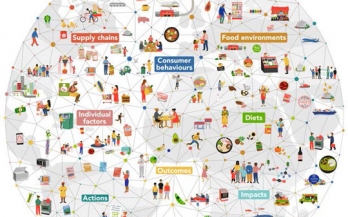
Food Systems are the people, places, and activities that bring us food. They make food available in diverse ways that influence and shape the choices we make about what to eat, when, and how. They are complicated and constantly changing – comprising a host of moving and interconnected pieces. They support many people’s livelihoods.
- 20/05/2019
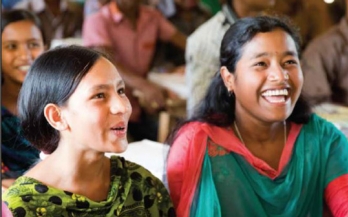
Adolescence is defined as the period of 10-19 years. In 2017, almost one out of five Indonesians was an adolescent (44.93 million adolescents). Nutrition is one of the cornerstones for adolescent health. Adolescence is a life stage for physical growth and an opportunity for developing healthy dietary practices.
- 19/05/2019
Bangladesh’s ambitions for middle-income status require the energy and creativity of the next generation. Investments in the nutrition of adolescents will enable this potential by realizing the demographic dividend.
- 14/12/2020
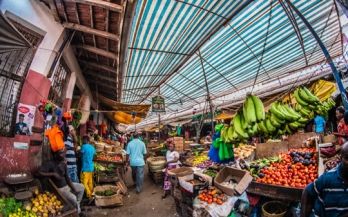
The COVID-19 pandemic is a multiplier of vulnerability, compounding threats to food security and nutrition (FSN), while exposing weaknesses in food systems. This report summarises the current situation of Kenyan food systems amidst COVID-19 with a special emphasis on small and medium-sized enterprises (SMEs) and how nutritious foods value chains are changing.
- 03/12/2020
Poor people in the global South eat diets with few nutrient-dense foods, putting children and adults alike at risk of malnutrition. Strategies to improve their diets will look different depending on whether current access to such foods is mostly via home production or via purchase and on whether poor families actually want to consume more of specific nutrient-dense food groups.
- 23/11/2020
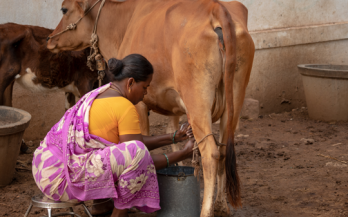
GAIN seeks to understand and tackle barriers faced by small enterprises working to boost availability, affordability, desirability, and convenience of nutritious foods like milk, especially for people on low-incomes and population sub-groups who stand to benefit from greater consumption of nutrient-dense foods, such as children.
- 21/11/2020
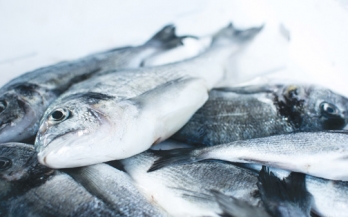
The global average supply of fish and seafood per person has more than doubled since the early 1960s, even as population has done the same. In many places, fish has become more affordable compared to other animal-source foods such as meat or poultry.
- 17/10/2020
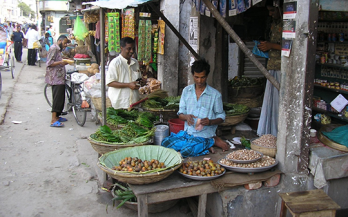
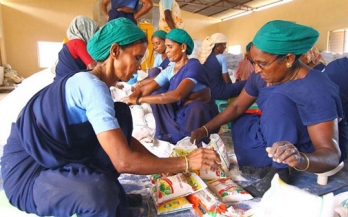
Supporting small enterprises in the food system is central to improving access to safe and nutritious foods in low- and middle-income countries (LMICs) - and therefore to improving nutrition. However, the ways in which such enterprises are supported can have important implications for achieving other social goals, such as gender equity and women’s empowerment.
- 30/10/2020
Small- and medium-sized businesses play essential roles throughout the food systems of low- and middle-income countries, and supporting them to expand and improve their production can help strengthen domestic employment and economic growth and facilitate improved access to safe, nutritious, and affordable food.
- 20/11/2020
As conveners of the Global Consultation on Food Systems for Children and Adolescents and this Special Issue, UNICEF and GAIN are confident that the evidence presented in this Special Issue will be useful for food system reorientations in support of improved diet quality among children and adolescents.