- 28/02/2020
Animal-source foods (ASF) have long been important components of human diets, providing essential macro- and micronutrients. However, ASF production has increasingly been scrutinised as a driver of negative global environmental change, including climate change.
- 16/10/2016
The position paper "Achieving Urban Food and Nutrition Security with the New Urban Agenda", makes recommendations to the Draft New Urban Agenda, emphasising the importance of creating good urban food policies and the key role cities play in this.
- 27/11/2019
There is increasing evidence that improved agrobiodiversity (that is, the diversity of crop and livestock genetic resources – domesticated or wild – which contributes to agriculture and food production) can enhance human nutrition through several pathways.
- 13/06/2018
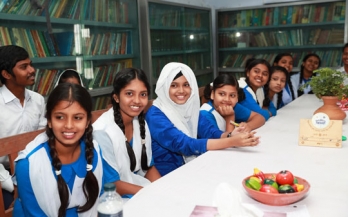
Malnutrition during adolescence can have lifelong consequences. Adolescents undergo rapid biological and socioemotional changes and set lifelong dietary and related habits. Gender norms can leave girls disproportionately impacted by food insecurity, but many adolescent boys are malnourished as well. Adolescent girls are at risk of dropping out of school, marrying, and becoming pregnant - all of which can harm their nutrition and health as well as that of their offspring.
- 02/01/2019
The period 10-19 years of age is one of accelerated growth both physically and psychosocially. Boys and girls during this rapid growth phase have increased nutritional requirements of both macronutrients (carbohydrate, protein, and fat) and micronutrients. This is due to rapid physical growth and the onset of menses in girls and accelerated muscle and bone mass development in boys.
- 04/11/2019
Through the MNF, GAIN has supported Tarakwo Dairies – an enterprise based in Kenya's Rift Valley – to scale up their supply of safe and affordable milk. Tarakwo's distribution model uses automated milk dispensing machines, or milk ATMs, which help to improve milk availability and safety, while maintaining affordable prices for resource-constrained consumers.
- 09/10/2019
GAIN works on supply and demand, as well as on changing incentives, rules and regulations to encourage production and consumption of nutritious and safe foods. We seek to understand and tackle barriers faced by small enterprises working to boost availability, affordability, desirability, and convenience of nutritious foods like eggs, especially for people on low-incomes.
- 09/10/2019
This factsheet highlights the vastly different levels of egg supply seen across African regions, selected African countries, and selected high-income countries. It discusses why eggs remain scarce and expensive in many low-income settings, including across much of Western, Eastern, and Middle Africa.
- 09/10/2019
This factsheet describes the nutritional content of eggs. Eggs are a rich source of protein, essential fatty acids, vitamins, and minerals.
An egg is formed of two main parts, the egg white (albumen) and the egg yolk. The white contains mostly water, proteins and some minerals.
- 09/10/2019
This factsheet describes the nutritional benefits of eggs for key target populations. Eggs are among the best food sources to improve diet quality in infants, as they contain nutrients which help brain development and physical growth.