
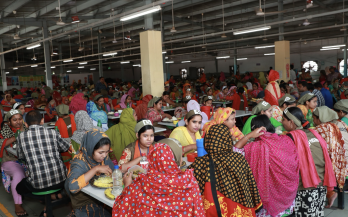
GAIN Working Paper n°64 Worker Nutrition In Bangladesh And Opportunities For Integration Into Occupational Safety and Health
- 02/03/2026
Many adults spend most of their waking hours in the workplace, making it an important—yet underappreciated—leverage point for change. In the context of food systems, workplaces can contribute to significantly improved nutrition through employer-provided nutrition programmes (also known as ‘workforce nutrition programmes’ (WFN)). However, the process of gaining support for these initiatives and the potential for institutionalising them within policy remain underexamined. This case study aims to address this by examining the development of WFN in Bangladesh, including at the factory level and through the government-led National Workforce Nutrition Alliance (NWNA). It also considers opportunities for integrating nutrition considerations into occupational safety and health (OSH) policies, regulations, and practices in Bangladesh.
Asia and the Pacific Food Systems Forum 2026
- Global
Agriculture remains a strong driver of livelihoods and economic growth in Asia and the Pacific. However, the region’s food systems are increasingly vulnerable to floods, droughts, heat stress, glacier melt, land degradation, and biodiversity loss. The Asia and the Pacific face a converging crisis of climate change, eroding natural capital, and rising food & water insecurity.
8 December 2025 | Textile Today
Team Group and GAIN sign MoU to strengthen workforce nutrition in garment manufacturing

5 January 2026 | NUF foods spectrum
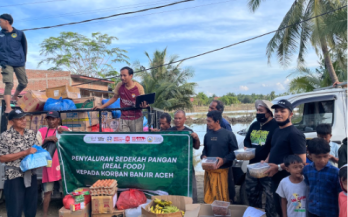
Jack Bean Tempeh Enhanced Resilience of Aceh Food Systems During Disasters
By the end of 2025, The Meteorology, Climatology, and Geophysics Agency (BMKG) of Indonesia recorded extreme rainfall, with intensities reaching 300–500 mm per month, occurring in 3 provinces in Sumatra. Indonesia is facing a combination of relatively complex atmospheric dynamics, including the active Asian Monsoon, the Madden–Julian Oscillation (MJO), atmospheric waves, the formation of tropical cyclone seeds and tropical cyclones, as well as the influence of a weak La Niña and a negative Indian Ocean Dipole (IOD). These conditions increased rainfall intensity, particularly from mid-December 2025 to early January 2026.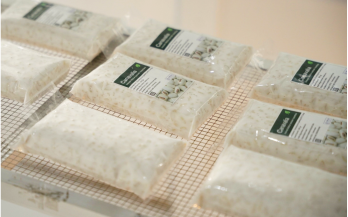
GAIN Working Paper n°62: Alternative Sources to Improve Sustainability and Resilience of Tempeh Supply Chains
- 13/02/2026
Tempeh is a popular traditional plant-based protein that plays a vital role in Indonesian diets. Indonesia’s reliance on imported soybeans (2.6 million tons/year) for tempeh production, however, creates market instability and food vulnerabilities, particularly regarding cost and supply fluctuations. This paper analyses the technical, economic, and market feasibility of alternative legumes—specifically, jack beans, mung beans, and peanuts—as sustainable substitutes for soybeans in tempeh production. The aim is to identify the most viable option for immediate scale-up to support local food systems and improve nutritional outcomes.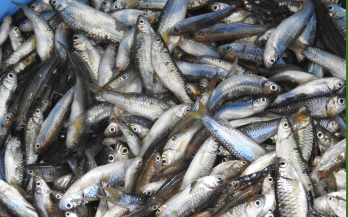
GAIN Working Paper n°61: Small fish: An Untapped Opportunity for Improving Nutrition
- 06/02/2026
Fish offer a potentially sustainable solution to food security and nutrition challenges in Indonesia. Despite abundant aquatic resources, per capita fish consumption remains lower than in neighbouring countries. Factors such as overfishing, pollution, and unsustainable aquaculture practices limit growth, while climate change poses additional threats to fish stocks.
I-CAN: Landscaping analysis on climate and nutrition policies and stakeholders in Cambodia
- 06/02/2026
This report summarizes key findings from the policy landscaping and stakeholder mapping analyses in Cambodia and provides recommendations to strengthen policy integration under the Initiative on Climate Action and Nutrition (I-CAN).
I-CAN Policy Brief: Strengthening the integration of climate and nutrition policies in Cambodia
- 06/02/2026
Cambodia faces urgent challenges at the intersection of climate change and nutrition: rising climate risks threaten food systems and nutrition outcomes, particularly for vulnerable rural communities. This policy brief presents findings from a 2025 light-touch assessment involving 32 policies and key stakeholder interviews.