Asia and the Pacific Food Systems Forum 2026
Feeding the Future, Sustaining the Planet
March 16-19, ADB Headquarters, Metro Manila, Philippines
March 16-19, ADB Headquarters, Metro Manila, Philippines
Agriculture remains a strong driver of livelihoods and economic growth in Asia and the Pacific. However, the region’s food systems are increasingly vulnerable to floods, droughts, heat stress, glacier melt, land degradation, and biodiversity loss. The Asia and the Pacific face a converging crisis of climate change, eroding natural capital, and rising food & water insecurity.
Responding to these challenges, and to advance its food systems transformation commitment, The Asian Development Bank (ADB) is bringing together government leaders, global experts, scientists, private sector innovators, development partners and civil society to shape a resilient and sustainable future for the region. Under the theme – ‘Feeding the Future, Sustaining the Planet’, the Asia and the Pacific Food Systems Forum 2026 will aim to:
Dr. Lawrence Haddad | Mainstreaming Healthy Diets| AFS2026
GAIN at Asia and Pacific Food Systems Forum| Dr. Mohammad Monirul
Tentative Agenda
| Date | Time | Session Title | GAIN Speaker |
|---|---|---|---|
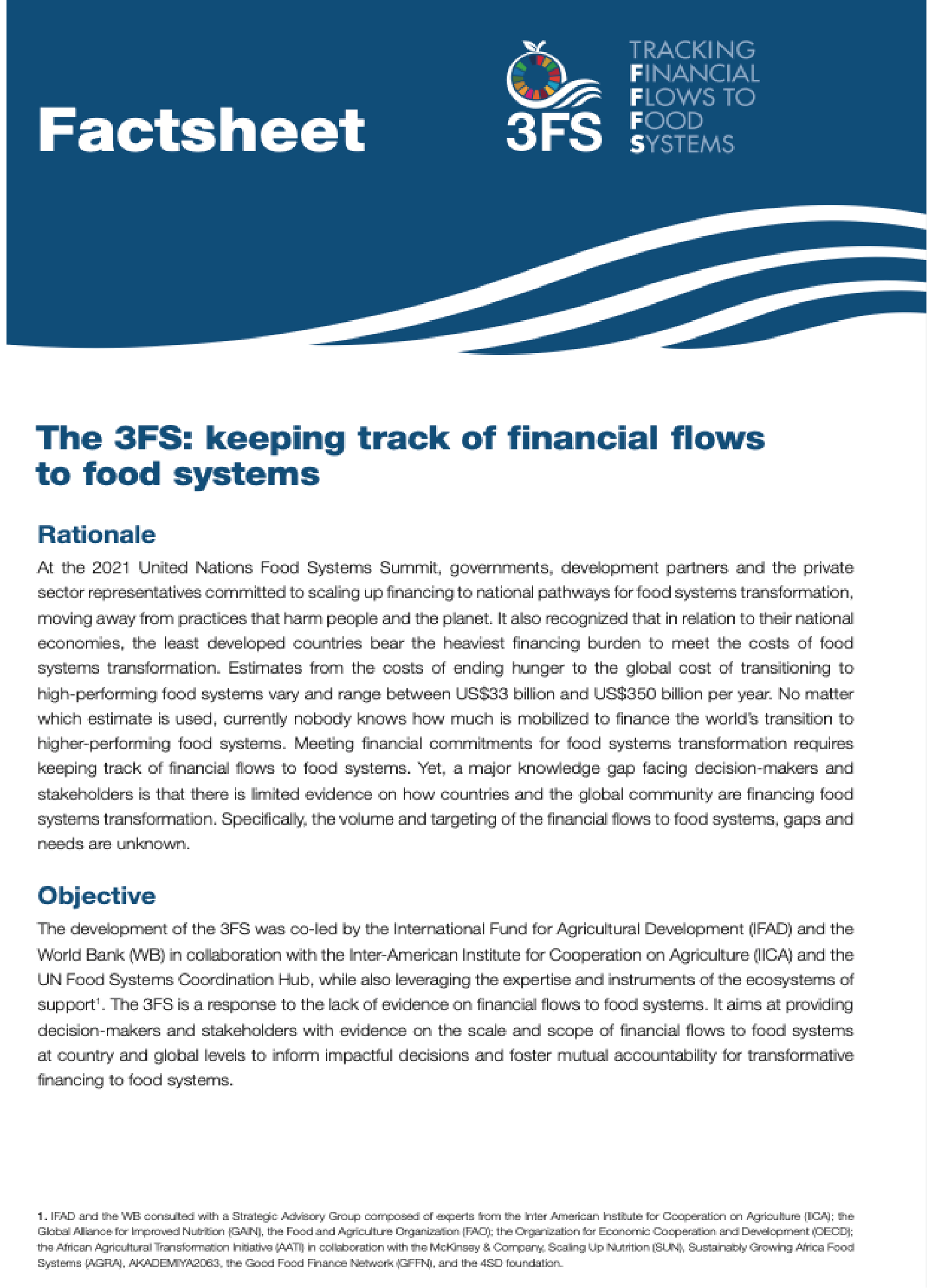
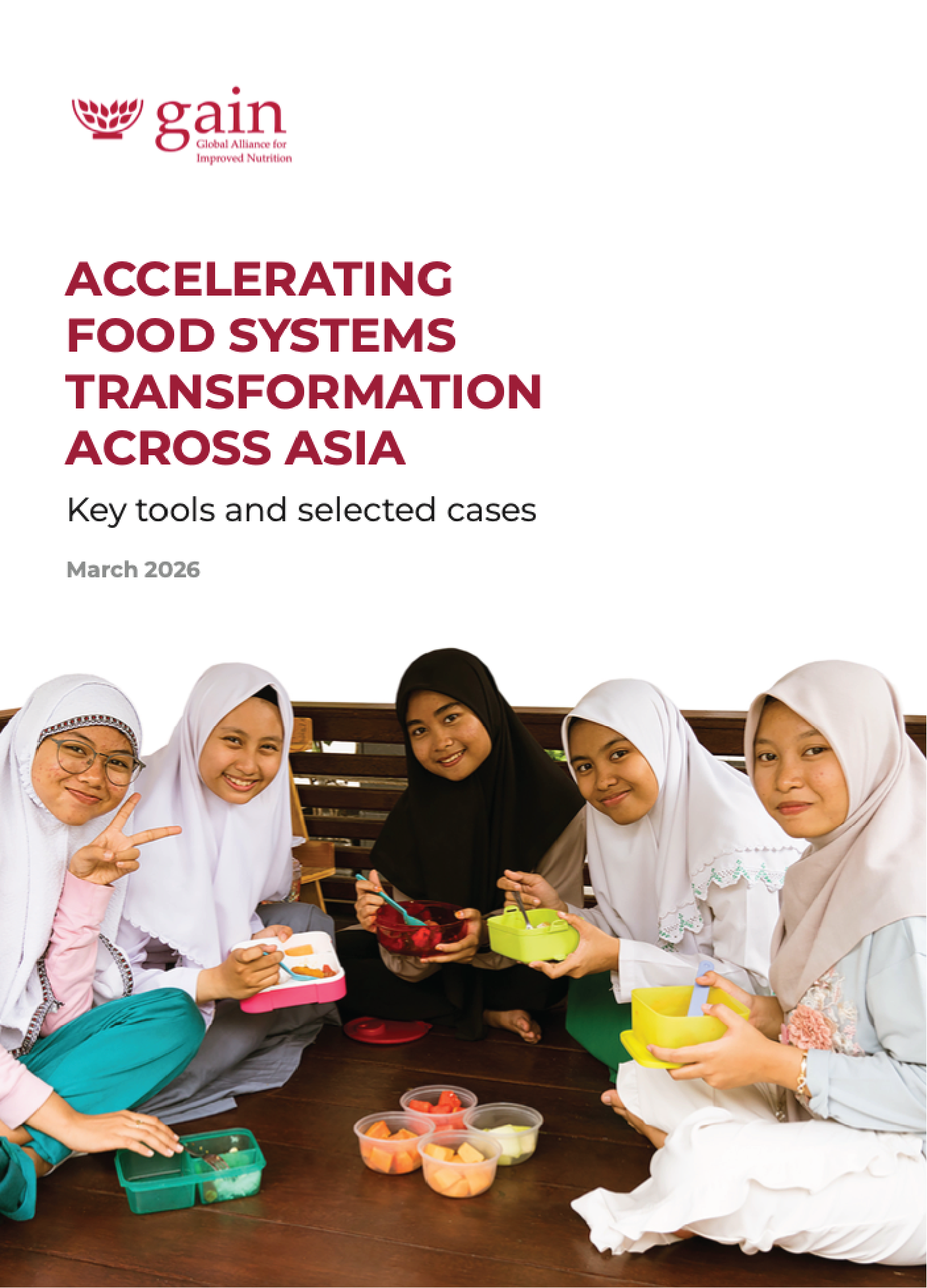
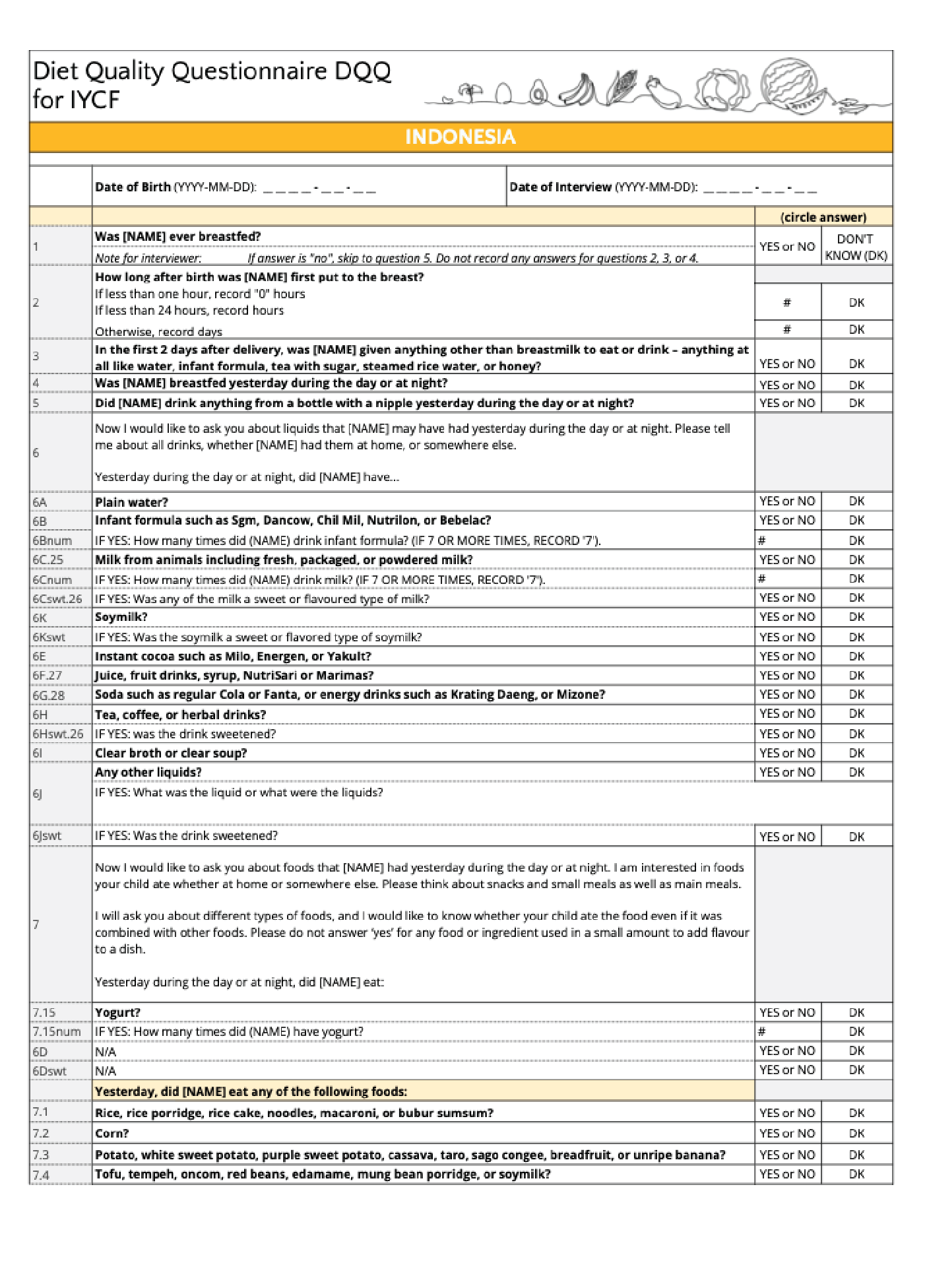
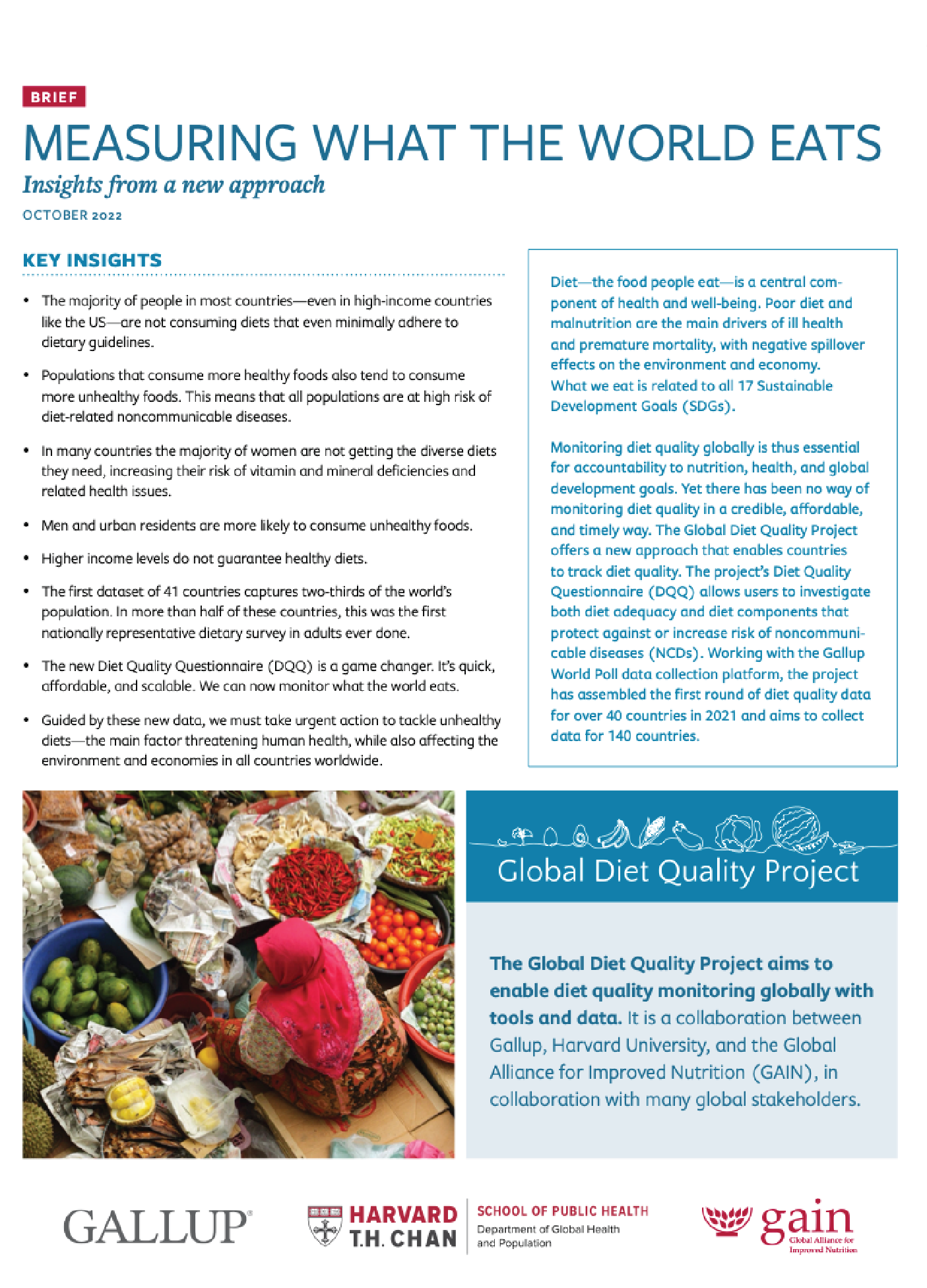
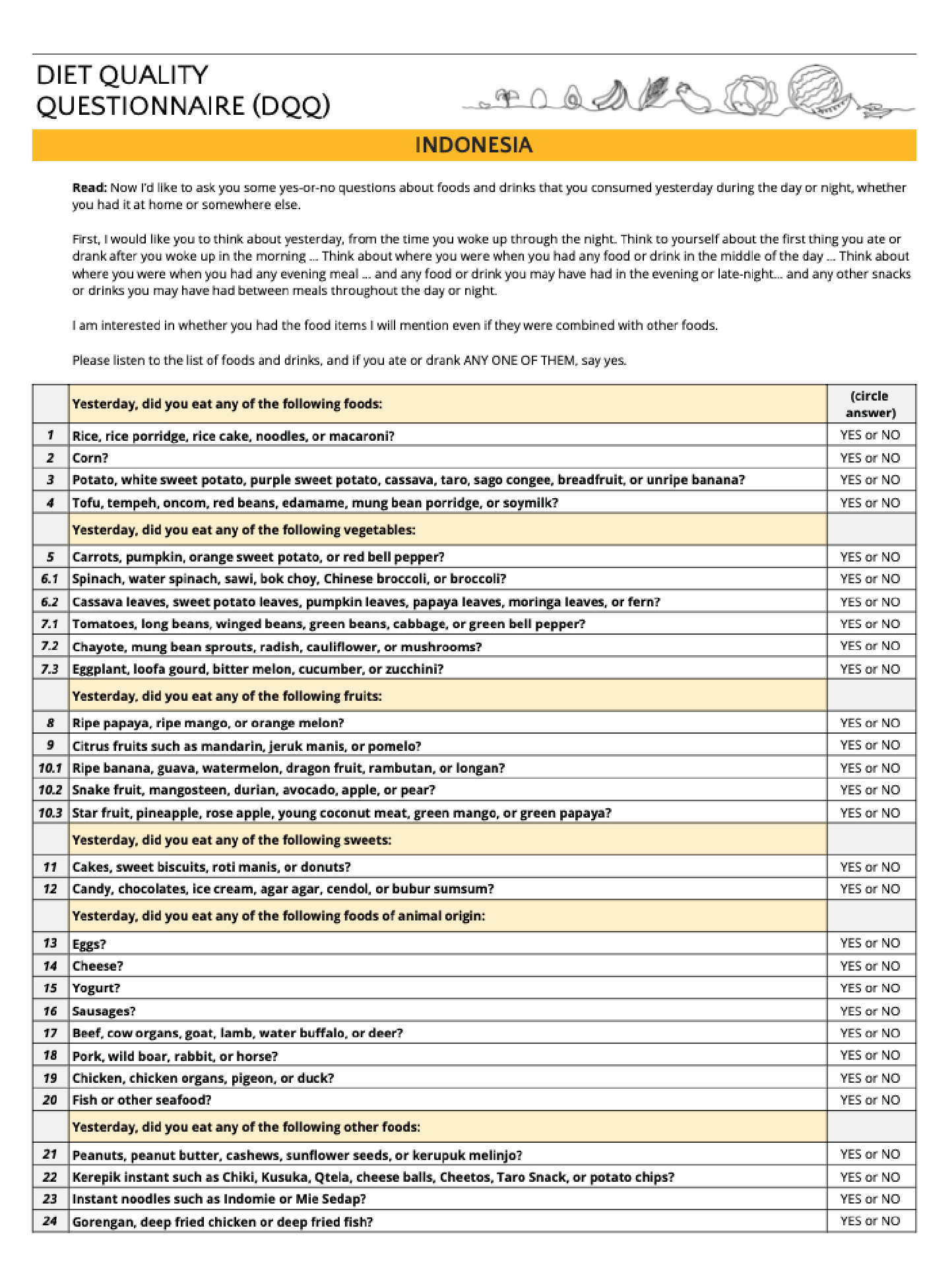
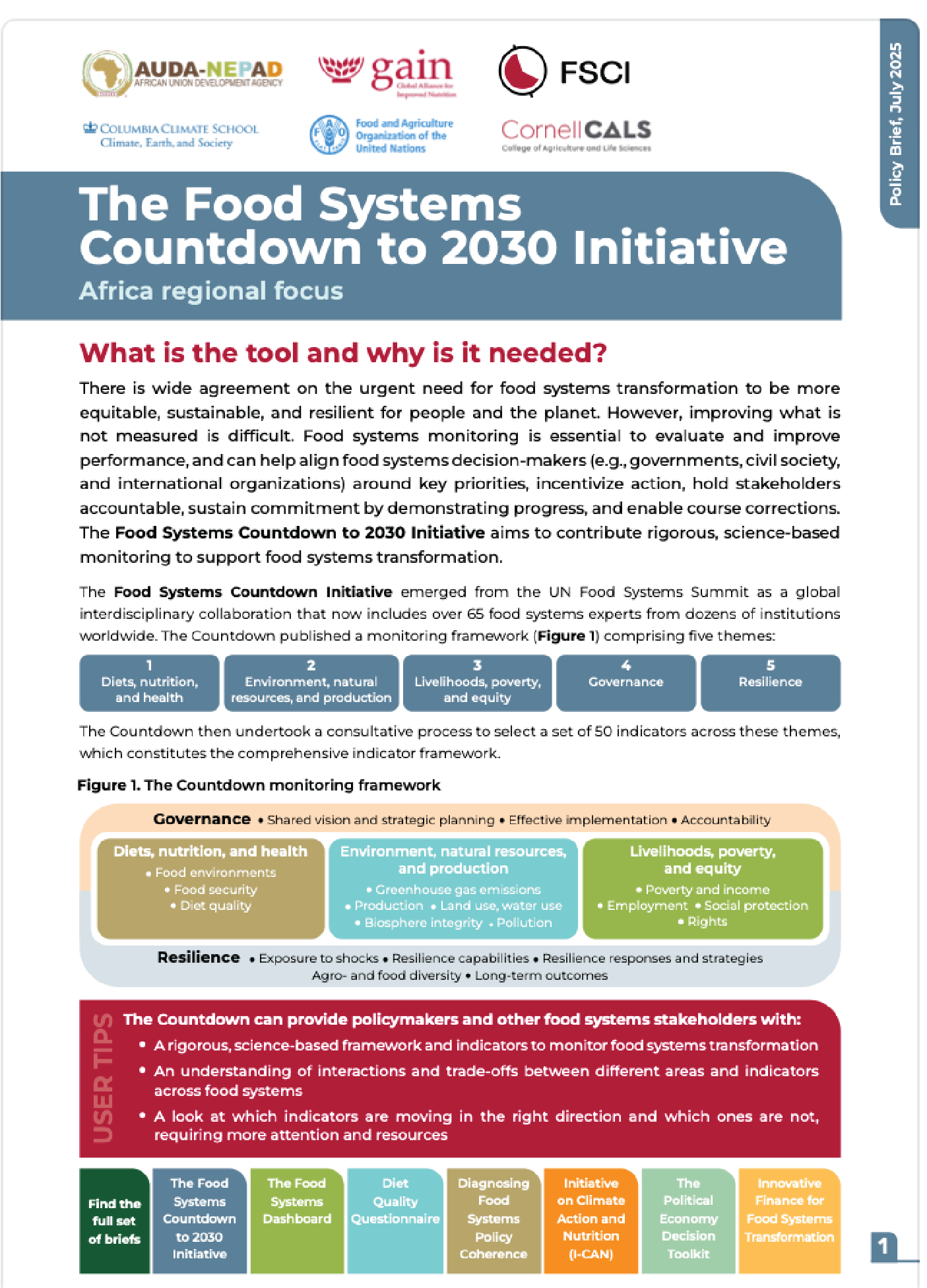
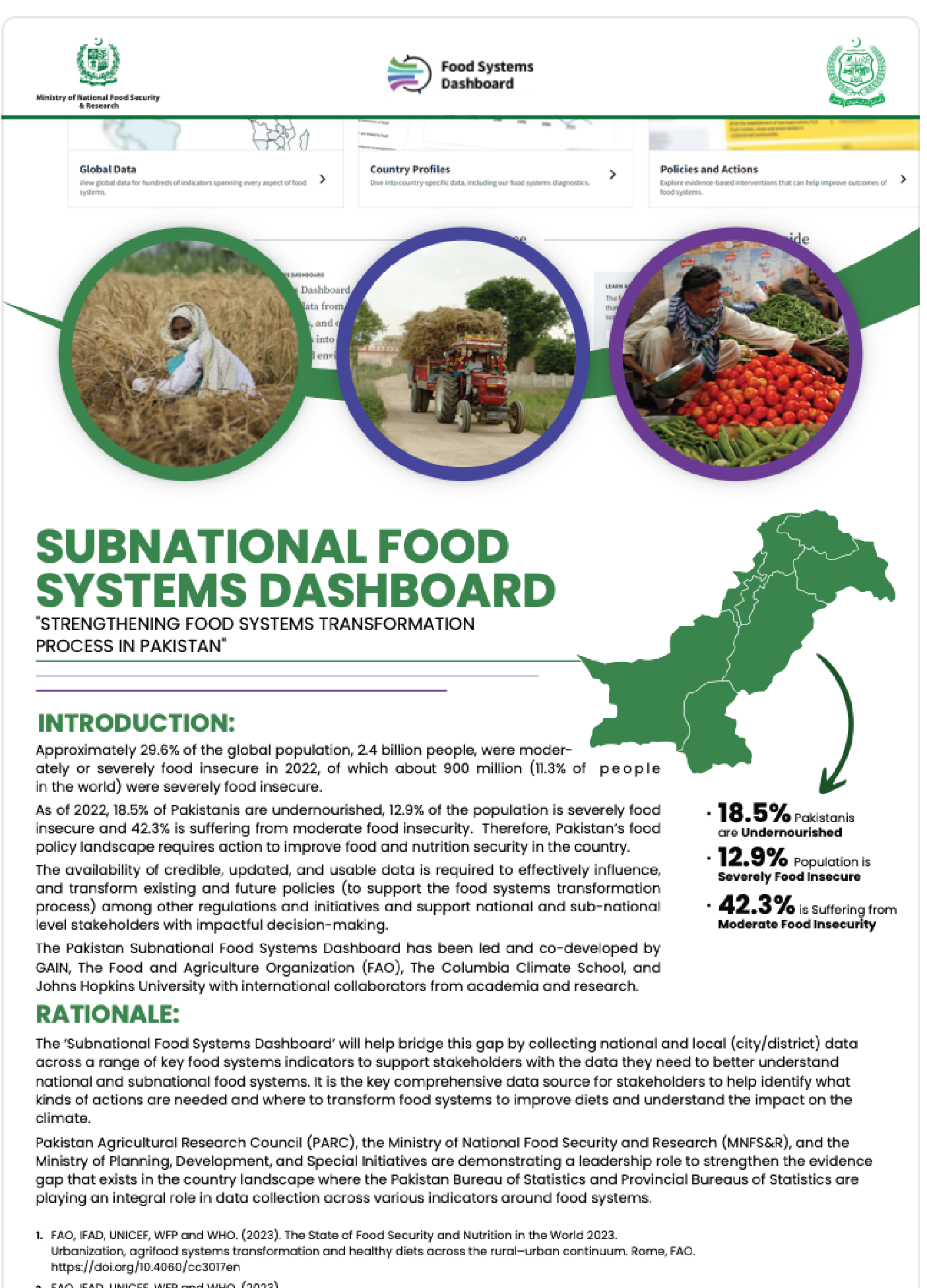
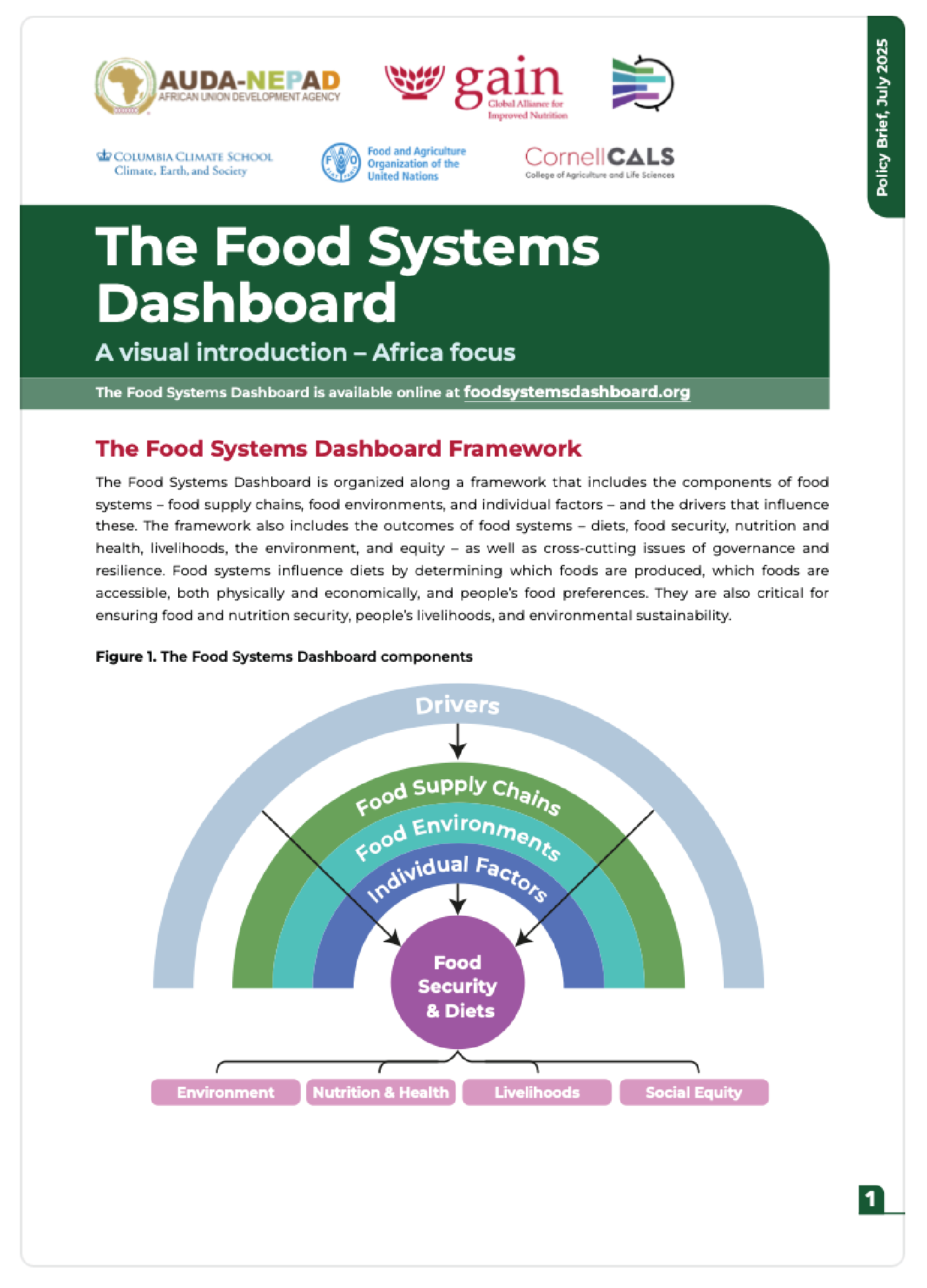
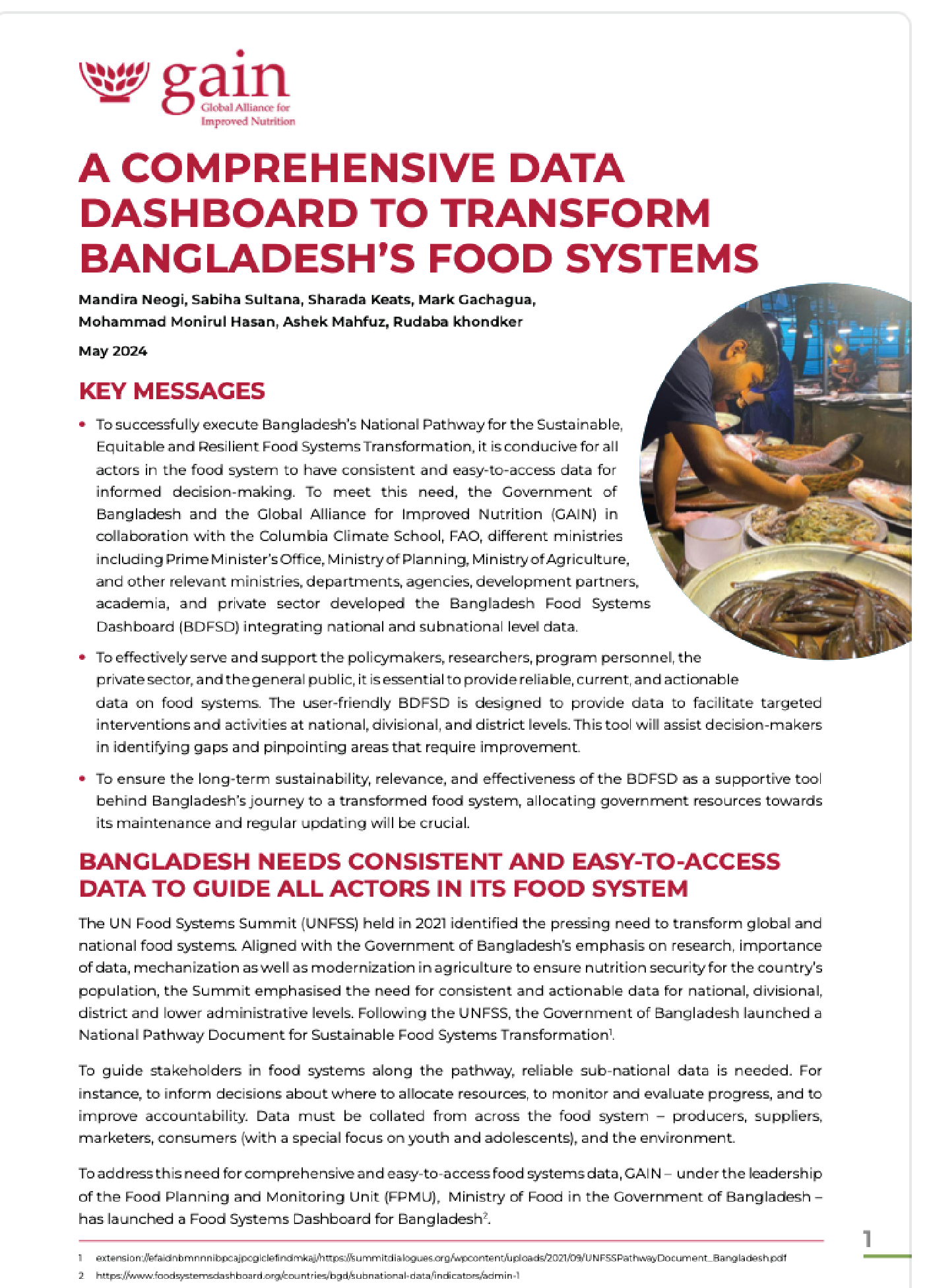
| March 16 – 19 | 9:00 – 17:00 | GAIN booth at ‘Innovation Market Place’ – “From Data to Action: Tools to Accelerate Food Systems Transformation” | Garima Singh Mohammad Monirul |
| March 17 | 11:00 – 12:30 | Forum Leaders Session 2 | Lawrence Haddad |
| March 17 | 14:00 – 15:30 | e-Marketplace: Exploring Innovations for Food Systems Transformation | Mohammad Monirul Garima Singh |
| March 17 | 16:00 – 17:30 | Indonesia: Food Systems Transformation Deep Dive | Agnes Mallipu Widya Sutiyo |
| March 18 | 8:30 – 9:50 | Accelerating Agrifood Systems Transformation in Asia and the Pacific: From Policy to Investment (Deep Dive) | Lawrence Haddad |
| March 18 | 11:00 – 12:00 | Meeting with SAARC | Lawrence Haddad Jamie Morrison Bhuvaneswari Balasubramanian Farrah Naz Mohammad Monirul |
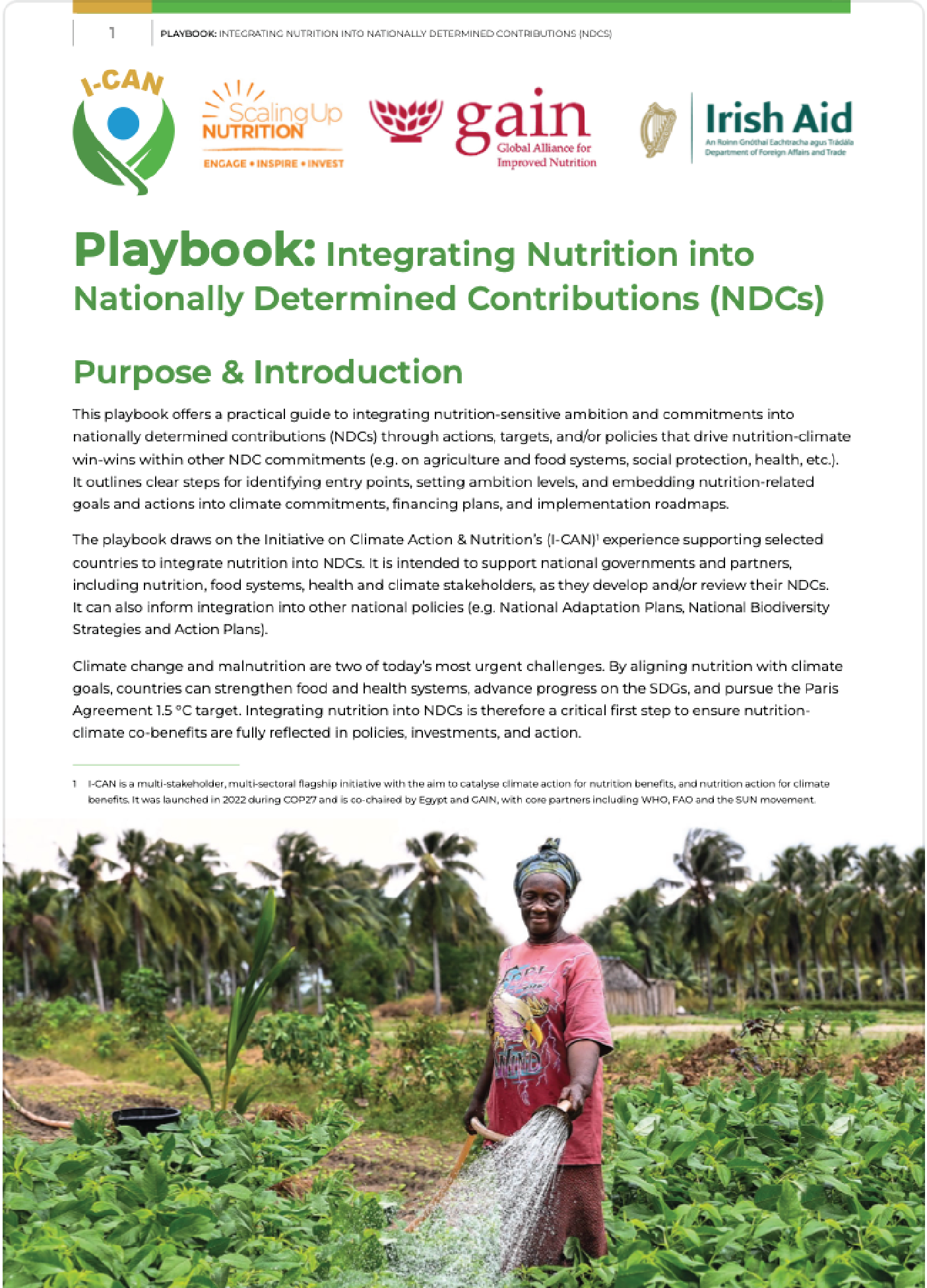
| March 18 | 14:00 – 15:30 | Nature, Climate & Nutrition: Building Resilient Food Systems | Oliver Camp (Remote) Lawrence Haddad |
| March 19 | 11:20 – 12:30 | Investing in the Private Sector for Nutrition – Nutrition Finance Facility | Roberta Bove Lawrence Haddad |
| March 19 | 16:00 – 17:30 | Strengthening Food Systems Decision Making: Digital tools and data for Investing in Healthy Diets | Stella Nordhagen |




Executive Director, GAIN
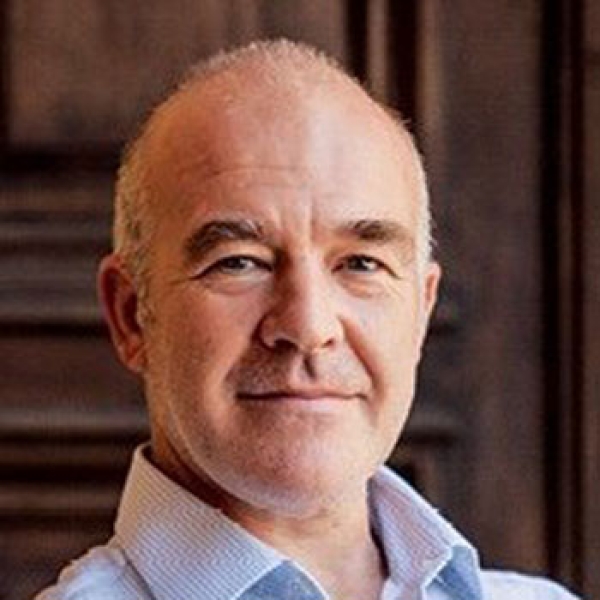
Senior Advisor, Policy and External Relations
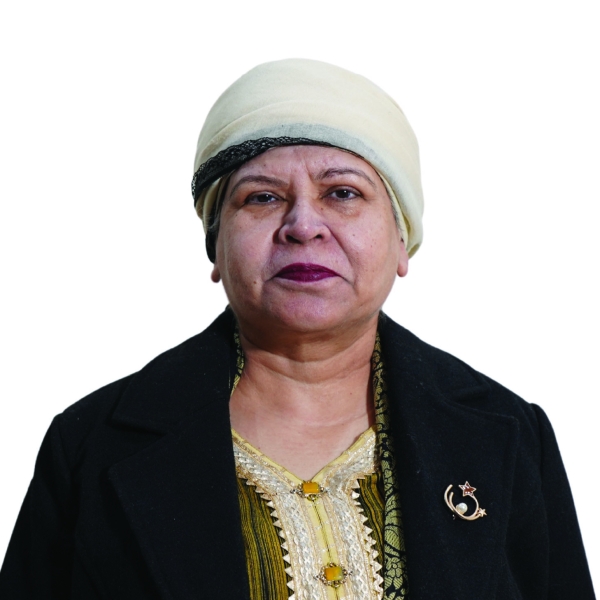
Country Director, Pakistan

Country Director, India

Research Lead, Food Environments and Supply Chains

Media and Communications Manager

Head of Policy, Global Alliance for Improved Nutrition (GAIN) Bangladesh

Country Director, Indonesia

Head of Programmes at GAIN Indonesia

Project Coordinator, Food Systems Dashboard and Food Fortification portfolios

Senior Lead, Innovative Finance for Nutrition