- 06/07/2026
Despite progress in reducing hunger and improving the affordability of healthy diets, the region’s food systems are not transforming quickly enough to deliver equitable nutrition, environmental sustainability, resilience and shared prosperity. This report presents eight practical tools covering food-systems monitoring, data visualisation, diet-quality measurement, policy coherence, climate nutrition integration, political-economy analysis, innovative financing and financial-flow tracking that governments and partners can use to identify gaps and opportunities, develop evidence-based plans, align policies across sectors, overcome implementation barriers and direct investment towards priority areas. Drawing on cases and data from across Asia, it highlights substantial differences between countries and subregions, alongside persistent challenges in food security, diet quality, emissions, water use, governance and financing. It concludes that accelerated, coordinated and government-led action supported by reliable data, coherent policies, inclusive decision-making and better-targeted finance is urgently needed to build healthier, fairer and more sustainable food systems and advance the 2030 Sustainable Development Goals.
India’s agricultural transformation is widely recognised as one of the most consequential development stories of the twentieth century. From chronic food shortages in the decades following independence to self-sufficiency in staple cereals like rice wheat and millets, India’s investments in irrigation, research, and price support fundamentally reshaped food availability. Public procurement and subsidised public distribution systems ensured that calories reached even the most vulnerable. And this culminated in the institutionalisation of food security through the National Food Security Act.
There is something quietly powerful about institutions that have spent centuries mastering the art of storytelling. Long before food systems became a policy agenda, religious communities were already doing something that nutrition programmes have long struggled to achieve: making people feel something about what they consume, share, and value.
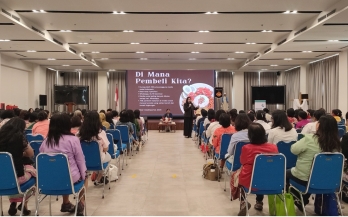
The Global Alliance for Improved Nutrition (GAIN), in collaboration with the Food and Land Use Coalition Indonesia (KSPL), officially launched its support for the development of the Regional Action Plan for Food and Nutrition Based on Local Resources (RAD-PG BPSDL) in Trenggalek Regency. The two-day inception meeting marked a critical step toward building a more resilient, nutritious, and sustainable local food system
- 27/03/2026
This paper provides brief descriptions of eight key tools available to support national and sub-national transformation of food systems. Produced in advance of the Asia and the Pacific Food Systems Transformation Forum 2026, descriptions and cases provided focus on the Asia region.
- 24/04/2026
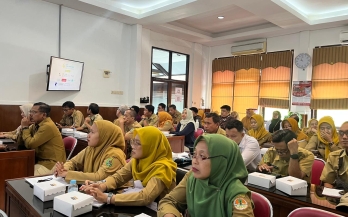
The workplace can be an important environment to influence nutrition and food choices. This case study examines the potential to use workplaces and employers as leverage points for improving nutrition and fostering larger food system shifts by considering efforts made by individual employers in Bangladesh and how these have been expanded and supported under government leadership through the National Workforce Nutrition Alliance. It shows how a novel concept can gain traction and explores how it could potentially be institutionalised in policy.
- 02/04/2026
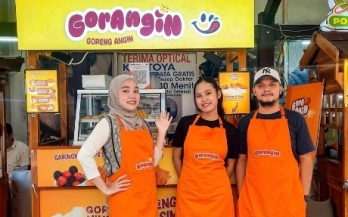
In Indonesia, over 98% of households have food budgets sufficient to purchase a healthy diet, yet most allocate a substantial share of their spending to discretionary foods such as fried snacks and sugary drinks. The challenge is therefore not one of financial access to healthy food, but of how existing food budgets are allocated. This paper documents a proof-of-concept pilot in Jakarta that tested whether Indonesia's ubiquitous deep-fried street snacks, gorengan, could be transformed into healthier air-fried alternatives, examining both consumer acceptance and business model viability.
Indonesia has made impressive strides in improving nutrition since 2013, with reduction in stunting, undernourishment, and wasting, reflecting strong commitment from the government, development partners, and civil society. Yet progress remains uneven. Anaemia among pregnant women has declined far more slowly, leaving Indonesia nearly 17 percentage points short of the global target.
Data from the recent Micronutrient Gap Analysis (MGA) conducted by GAIN reveal that while wealthier households achieve adequate micronutrient intake, the poorest quintile still falls below recommended levels for nearly all essential nutrients. This means millions of Indonesians—especially women and children—are still not receiving the nutrients they need to thrive.
- 30/03/2026
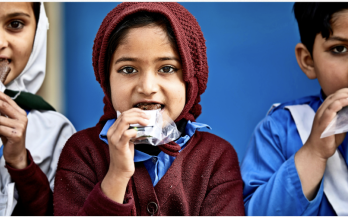
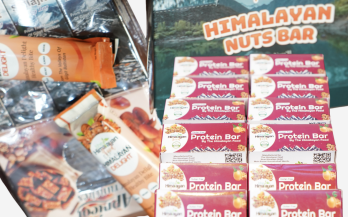
Pakistan produces a wide variety of fruits, yet a significant share is lost due to limited processing capacity, weak value chains, and low value addition. At the same time, many consumers especially children and low-income households lack access to affordable, nutritious snack options. To respond to this challenge, the Nutritious Fruit Bars Initiative was launched in 2024 through a partnership between GAIN, Arla Foods Ingredients (AFI), Pakistan Business Council (PBC), local SMEs, and public-sector stakeholders. The project aimed to convert surplus fruits into nutritious, protein-enriched fruit bars, strengthen local food processors, and demonstrate a sustainable business case that improves nutrition while creating economic opportunities across the value chain.
- 30/03/2026
The Himalayan Foods is a private venture founded by young agriculture graduates from the heart of the Himalayan mountain region. They are driven by a vision to showcase the natural richness of Northern Pakistan through premium, nutritious food products. Rooted in Skardu’s unique agricultural landscape, the company combines traditional knowledge with modern food processing practices to create high-quality, healthy products for an increasingly nutrition-conscious consumer market. Committed to meeting the growing demand for nutritious snacks, The Himalayan Foods produces a range of value-added products including nut-based snack bars under the Himalayan Nut Bar line and organic granola blends marketed as Himalayan Delight. These products are developed using natural and organic ingredients, emphasizing health, wellness, and minimal processing while maintaining international food safety and quality standards. Through its integrated approach linking farmers, sustainable production, and nutrition-focused innovation; The Himalayan Foods represents a new generation of Pakistani SMEs demonstrating how local enterprises can drive economic growth, environmental stewardship, and improved nutrition outcomes simultaneously.