Jack Bean Tempeh Enhanced Resilience of Aceh Food Systems During Disasters
04/02/2026 Blog | Indonesia
04/02/2026 Blog | Indonesia
By the end of 2025, The Meteorology, Climatology, and Geophysics Agency (BMKG) of Indonesia recorded extreme rainfall, with intensities reaching 300–500 mm per month, occurring in 3 provinces in Sumatra. Indonesia is facing a combination of relatively complex atmospheric dynamics, including the active Asian Monsoon, the Madden–Julian Oscillation (MJO), atmospheric waves, the formation of tropical cyclone seeds and tropical cyclones, as well as the influence of a weak La Niña and a negative Indian Ocean Dipole (IOD). These conditions increased rainfall intensity, particularly from mid-December 2025 to early January 2026.
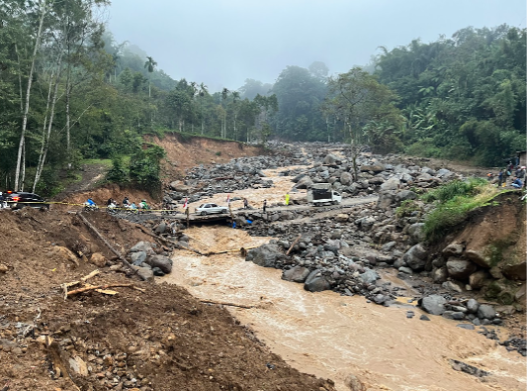
The extreme weather led to disasters of deadliest floods and landslides in Aceh, North Sumatra and West Sumatra. This shocked not only Indonesia, but also the global community. One of the worst floods on record destroyed 8,500 houses and inundated approximately 12,000 hectares of land, 1,154 people were killed, and even turned 29 villages into rivers. The flood also brought tons of logs from deforestation and worsened the damage, leading to a higher number of casualties.
The disasters’ impacts were felt in almost all areas of Aceh. For example, Banda Aceh - the capital -, experienced blackouts and loss of internet connection for weeks. This disaster severely disrupted logistical access due to broken roads and bridges, leading to shortages of essential supplies, including food logistics, fuel, and cooking gas, which significantly affected the socio-economic conditions of local communities.
North Sumatra is the backbone of logistics for several provinces in Sumatra, including in Aceh. North Sumatra’s logistics infrastructure serves the flow of goods to Aceh. Center for Transportation and Logistic Studies (Pustral) UGM inform that food transportation and distribution routes in Sumatra have a strong dependence on strategic nodes in North Sumatra (Salma, 2026). Distribution data shows that Aceh receives supplies from North Sumatra (Bulog, 2025). A number of food commodities rely on logistics from North Sumatra. The volume of food supplied to Aceh from inter-provincial sources, primarily North Sumatra, includes over 10.6 thousand tons of rice, 6 thousand tons of imported soybean and 1.9 thousand tons of cooking oil.
Devastating disasters in Aceh due to complex socio-environmental problems
The supply of imported soybeans in Aceh is 100% distributed through North Sumatra. Hence, when floods cut access, food shortages occur within hours. A domino effect occurs rapidly: shortages of food supply, sudden surges in prices, panic buying, and cuts to electricity and internet access worsened conditions for weeks.
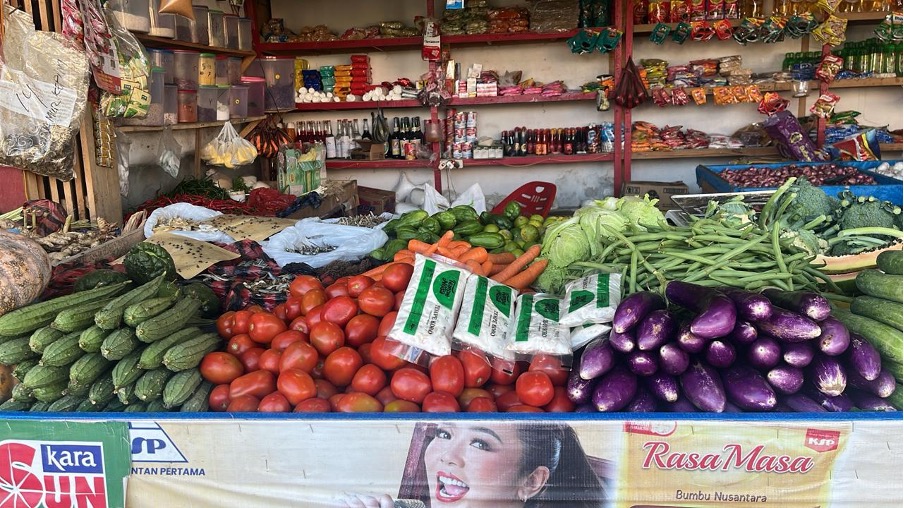
The prices of soybean-based food such as tempeh, tofu and soy sauce rose sharply, forcing tempeh producers to adjust prices and limit production. As a result, in Aceh, soybean shortages occurred, and tempe production declined. The price of soybean surged from IDR 450,000 to IDR 700,000 per 50 kg. These conditions directly affected tempeh producers as well as low-income communities that rely on tempeh as a primary source of protein.
Amid those circumstances, mixed bean tempeh made from locally sourced jack beans demonstrated ability to increase resilience of food supply. During the disaster period, the sales of jack bean tempeh increased sharply up to 800%. Furthermore, a procurement contract for 1,000 pieces of jack bean tempeh was established with Syiah Kuala University for distribution to disaster survivors.
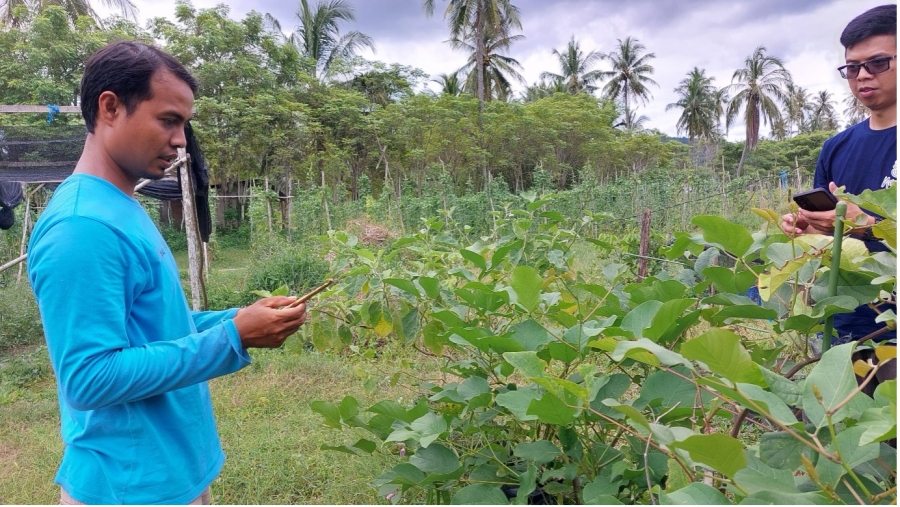
During the shortage of imported soybean supply, this is where jack beans became the saviour. Since early 2025, jack beans have been planted in Aceh by Rumoh Pangan Aceh (RPA/Aceh Food Bank) and their farmers’ partners through GAIN’s project to provide alternative raw material for tempeh. RPA established INOPI to produce tempeh from jack beans. They found that jack bean tempeh could save on production costs and experienced an increase in demand as their tempeh price remained stable.
Sales of jack bean tempeh in Aceh during the disasters
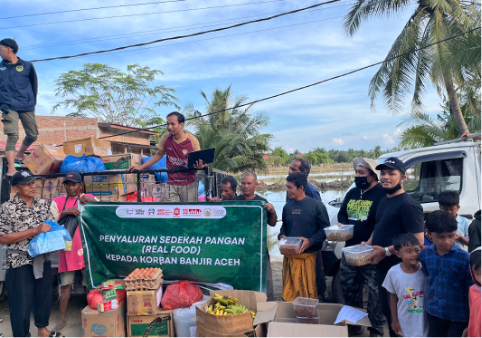
Tempeh was chosen as one of the main sources of protein for food relief as it is the cheapest option compared to meat and eggs. Tempeh can also be processed into foods with a longer shelf life. Many communities and volunteers distributing aid purchased tempeh. Moreover, Rumoh Pangan Aceh (RPA) also helped to distribute aid — including tempeh — in collaboration with communities and villagers as volunteers in 7 districts which are North Aceh, Lhokseumawe, Bireuen, Bener Meriah, Central Aceh and Aceh Tamiang with a total of 1,276 tempeh distributed.
Food donation by Aceh Food Bank
Lessons learned from the disaster in Aceh, in relation to the food system, showed the necessity of local food self-sufficiency at the provincial and district/city levels. Availability from raw materials to ready-to-process products should be ensured in each location. With increasing frequency and intensity of extreme weather and its disastrous impacts due to climate change and other socio-environmental problems, resilience of food systems becomes an important issue. Local food systems from local crops are important adaptation measures.
Jack bean tempeh in Aceh is one example of how local food strengthens resilience of local food systems. This effort needs active collaboration engaging wider stakeholders. The jack bean tempeh development in Aceh is progressing, including replication of the business model, building more tempeh production houses, and engaging more than 80 farmers to plant jack bean in 5 districts in Aceh. GAIN and RPA continue to scale up jack bean tempeh as Aceh’s leading local tempeh and distribute it to wider consumers in hotels, restaurants, and schools.

Project Officer, GAIN Indonesia

Environment Manager