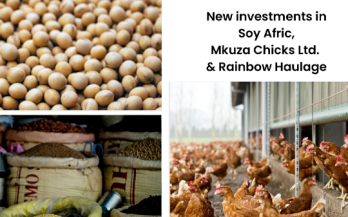
Incofin Investment Management and the Global Alliance for Improved Nutrition (GAIN), through the Nutritious Food Financing Facility (N3F), have announced new investments in three pioneering food enterprises in East Africa: Soy Afric in Kenya, and Mkuza Chicks Ltd and Rainbow Haulage in Tanzania.
On March 26, 2025, the Access to Nutrition Initiative (ATNi), the Global Alliance for Improved Nutrition (GAIN), and the Paris Peace Forum presented The Paris Declaration on Business & Nutrition 2030 at a high-level event ahead of the Paris Nutrition for Growth (N4G) Summit.
This Declaration urgently calls for reshaping the nutrition economy through a multi-sectoral approach to address malnutrition in all its forms. Undernutrition (stunting, anemia, wasting), obesity, micronutrient deficiencies, and food insecurity affect health, climate, and economies, underscoring the need for coordinated action.
The Global Alliance for Improved Nutrition (GAIN) joins world leaders and organisations at the Nutrition for Growth (N4G) Summit to press for smarter nutrition financing, stronger private sector engagement and swifter actions on nutrition commitments made.
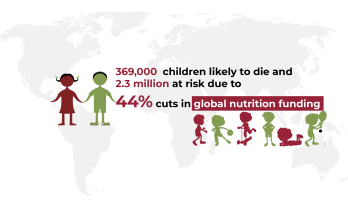
Experts warn of the devastating toll of aid cuts on malnourished children and how it will impact generations to come—not just as huge human cost—but also a huge cost to development, economic growth, and future global prosperity.
In a significant step towards addressing malnutrition, the United Nations adopted Minimum Dietary Diversity as a Sustainable Development Goal (SDG) indicator. Globally, almost 3 billion people are unable to access and afford a healthy diet. Micronutrient deficiencies, caused in large part by inadequate diets is one of the leading factors in malnutrition globally. Poor diets also account for a global rise in non-communicable diseases and contribute significantly to premature mortality, worldwide.
Despite the central importance of healthy diets, until recently, global efforts towards addressing malnutrition lacked standardised metrics to effectively track diet quality. The adoption of Minimum Dietary Diversity in the SDG framework will now give governments, policy makers and international organisations a key tool to formulate evidence-based strategies that can improve diets and help reduce malnutrition.
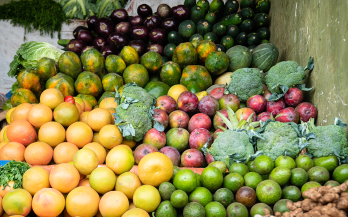
This video showcases GAIN’s collaboration with Buguruni Market (Dar es Salaam, Tanzania). It illustrates the early testing of the Food Systems Governance model; highlighting the importance of i) knowing the local food system, ii) One Nutrition (nutrition, food hygiene and safety, reduced food waste), and iii) engaging multiple stakeholders to co-design and support infrastructure investments that enhance vendor livelihoods, as well as improve the quality, safety, and value of food stored, upcycled, and sold to consumers.
N3F is an open-ended debt fund designed to invest in small and medium enterprises (SMEs) focused on improving nutrition in Sub-Saharan Africa. Its innovative blended structure combines public and private donor funds to attract capital from private investors.
Incofin Investment Management, alongside the Nutritious Foods Financing Facility (N3F) partners, the Global Alliance for Improved Nutrition (GAIN), USAID, and the Swiss Agency for Development and Cooperation (SDC), announces two new investments to enhance food security and nutrition in Sub-Saharan Africa. These investments, totaling USD 1.55 million, underscore N3F’s active deployment in the region. The fund has invested over USD 4 million within its first year of operation.