This infographic has been prepared by GAIN based on the blog Keeping food flowing within African food systems by busting policy myths penned by GAIN's Executive Director Lawrence Haddad commenting on the paper "Essential non-essentials": COVID-19 policy missteps in Nigeria rooted in persistent myths about African food supply chains.
One in three people worldwide suffers from malnutrition today, making it a massive global concern impacting individuals, businesses, and economies alike – in both developing and developed countries. The health impacts of COVID-19 on workforces are bringing heightened concerns to businesses worldwide.
How safe is your food?
EP 07
Food safety affects everyone - we all need to eat. However, too many people face challenges from…
In late February, twenty-four World Food Prize Laureates penned a letter asking the Biden Administration for help. These internationally recognized and exceptional Laureates are known to have advanced the quantity, quality, availability of, or access to food through creative interventions within the food system.
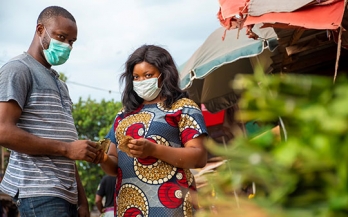
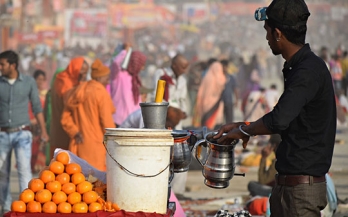
During the COVID-19 pandemic, markets also pose a significant risk of respiratory disease transmission, affecting both vendors and consumers. Working or shopping in crowded, risky environments, and falling ill will have devastating effects on their families and nutrition security for entire households.
This qualitative thematic analysis provides recommendations for planning, designing, delivering, and evaluating training programs that intentionally incorporate social and behavior change communication media interventions.
This report examines prior research on food safety-related topics using ethnographic and related methods, then uses the results to glean insights for the design of EatSafe research and intervention activities.
Unsafe food and malnutrition can be twin threats to consumer health and create hurdles to achieving food security for consumers. Yet addressing these twin threats is vital to meet the United Nations’ Sustainable Development Goal 2, a bold call to end hunger and all forms of malnutrition by 2030.
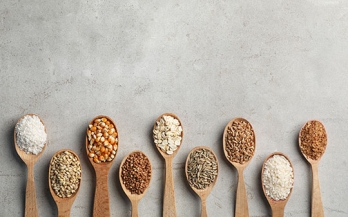
The UN Food Systems Summit, UN Climate Change Conference (COP26) and Tokyo Nutrition for Growth (N4G) Summit will take place towards the end of 2021. All three events are key milestones on the road to recovery from the devastating impacts of the COVID 19 pandemic on food security and nutrition. The summits are also key moments to mobilize support for and prioritization of staple food fortification as a no-regrets, gamechanging intervention to fight disease and poverty among the world’s most vulnerable communities.
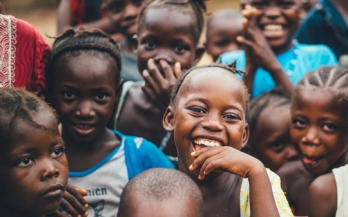
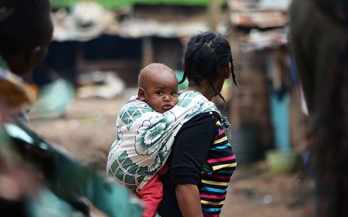
For millions of children in Eastern and Southern Africa and South Asia, current diets do not contain enough nutrients for proper growth and development. This is a tragedy. New evidence has recently been published that sheds light on the nutrient gaps experienced by young children in 14 countries in these regions and examines which foods might be affordably used to fill them. This briefing paper highlights the key findings from this research.