
Integrating Nutrition Into Occupational Chemical Safety Standards
- 21/05/2026
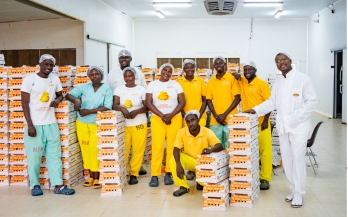
The health effects of chemical exposure depend not only on the hazard itself, but also on the body’s capacity to defend, adapt, and recover. This varies between individuals and is strongly shaped by nutritional status, making nutrition a foundational determinant of occupational health risk. Adequate nutrition supports immune function, metabolic regulation, tissue repair, and detoxification processes. Sufficient energy, protein, essential minerals, micronutrients, and antioxidants are required for the body to maintain physiological stability and respond effectively to harmful substances. When these nutritional needs are met, workers are better equipped to withstand and recover from ongoing occupational exposures.
I-CAN Policy Brief: Building Systems For Climate–Nutrition Integration In Uganda
- 18/05/2026
Uganda increasingly recognises the importance of addressing the intersection of climate change and nutrition, with emerging efforts demonstrating that integrated action is both possible and already underway. However, climate shocks, including droughts, floods, and pest outbreaks, continue to disrupt food production, dietary diversity, water access, and disease patterns, ultimately undermining nutrition outcomes. A review of 39 national policies and consultations with 22 stakeholders across government, development partners, civil society, and the private sector reveal that climate and nutrition remain largely siloed within Uganda’s policy architecture, and that implementation is constrained by gaps between policy intent and operational reality. However, a subset of policies demonstrates that effective climate–nutrition integration is already possible, particularly where clear pathways, costed commitments, and system-level investments are in place. Stakeholder interviews indicate that, although policy frameworks increasingly acknowledge the climate-nutrition nexus, integrated action is most often realised at the program level, primarily through donor-funded projects and civil society initiatives, rather than systematically embedded within government systems. These findings highlight a critical opportunity to strengthen policy coherence, institutional coordination, financing alignment, and cross-sector accountability to accelerate climate-nutrition integration efforts in Uganda.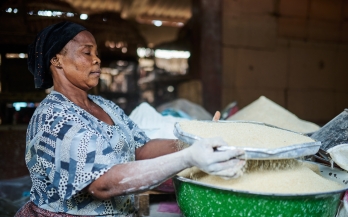
Nourishing Progress: Three Years of Action on WHA76.19. Accelerating Efforts to Prevent Micronutrient Deficiencies and Their Consequences Through Safe and Effective Food Fortification
- 15/05/2026
In May 2023, every Member State at the World Health Assembly resolved to accelerate safe and effective foodfortification. Nourishing Progress highlights meaningful progress, growing momentum and emerging opportunities since the resolution's adoption, and the growing coalition of governments, industry, patient associations, and health professionals driving this agenda forward. Anchored in a landmark Lancet Global Health analysis modeling the current and potential impact of large-scale food fortification programs, the report celebrates the progress made since the 2023 WHA resolution and outlines the growing global momentum towards transformative impact.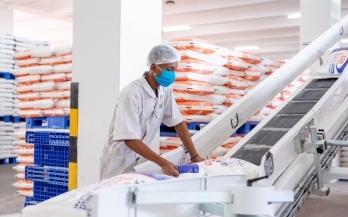
Beyond Safety Gear: Nutrition Protects Workers
- 14/05/2026
Chemical exposure is a growing occupational health concern as industrialization and technological change increase workers’ contact with hazardous substances. While occupational safety and health frameworks focus on managing exposure, they do not fully address chemicals that accumulate in the body and weaken immune function. Chemical exposure and poor nutrition can reinforce each other, increasing vulnerability to illness Integrating workforce nutrition into chemical risk management strengthens resilience, supports immunity, and provides an additional layer of protection for workers.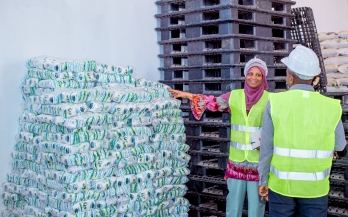
How Cleaner Salt Production in Tanga Is Improving Nutrition Outcomes
When you ask families in Tanga what salt means to them, the answer is often simple: “It’s something we cook with every day.” Yet few realise that the quality of that salt; its purity, safety, and level of iodization; directly affects the health of households, particularly children and pregnant women. For years, salt producers in Tongoni and Masiwani worked with unlined pans, contaminated crystals, and unpredictable yields. Salt was often sold locally without consistent iodization, leaving families vulnerable to iodine deficiency, which contributes to goiter, impaired development, and weakened immunity. Today, a different story is unfolding. Improvements in infrastructure, training, and coordination, supported by the Global Alliance for Improved Nutrition (GAIN), are transforming production from low-quality, non-iodized salt to safer, cleaner, and more reliable salt that strengthens household nutrition.
Bite The Talk-Food and Agriculture Through a Systems Lens
EP 31
What does it mean to look at food and agriculture through a systems lens? How can this approach…
31 minutes▶ Play this episode
GAIN Working Paper n°69: Supporting Nutrition to Foster Staff Wellbeing
- 20/04/2026
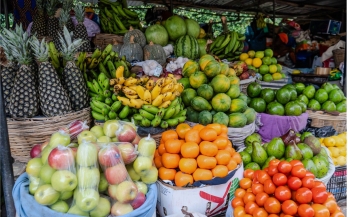
Many adults spend most of their waking hours at the workplace, making the latter a strategic, yet underappreciated, environment for health and well-being interventions. In the context of food systems, an impactful change that can be fostered through workplaces is improved nutrition through workforce nutrition (WFN) programmes. However, the process of gaining support for such programmes and the potential for having employers lead their design and uptake remain underexamined.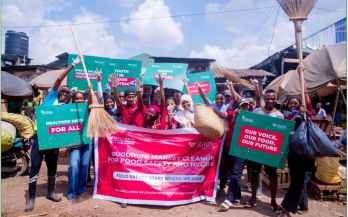
GAIN Working Paper n°68: Youth Collective Action as a Catalyst for Food System Transformation
- 08/04/2026
Young people represent a critical yet underutilised force in transforming food systems. By actively engaging youth in transformation processes, they can co-lead initiatives, shape agendas, and influence policymakers to address their priorities and make decision-making more inclusive. Collective action is a powerful mechanism through which young people organise around shared food systems priorities to generate sustained pressure for policy change while building capacity for long-term engagement in governance processes. However, despite the growing visibility of youth-led movements, the pathways through which young people’s collective voices shape and become institutionalised within national food and nutrition policies remain underexamined, particularly in low- and middle-income countries.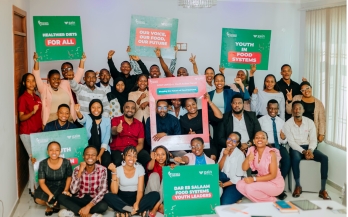
GAIN Working Paper n°67: Building Youth Leadership For Food Systems Transformation
- 08/04/2026
Globally, the youth population is rapidly growing, particularly in low- and middle-income countries, where food systems are central to livelihoods and significantly influence nutritional outcomes. Despite this, young people remain underrepresented in food systems policy and decision-making processes. Addressing this gap requires youth leadership programmes that integrate systems thinking, cross-sectoral collaboration, and experiential learning to better prepare young people for meaningful engagement in food systems transformation. This case study explores how a youth leadership programme implemented in Arusha, Tanzania, enhanced young people’s ability to influence food policy processes, advocate for inclusive reforms, and drive meaningful change in their communities.