Global Child Nutrition Forum
- Osaka, Japan, Global
School Meal Programs in an Era of Food Systems Transformation- 4 days of peer-to-peer exchange and technical workshops bringing together school meal program leaders from around the world.- Osaka, Japan, Global
School Meal Programs in an Era of Food Systems Transformation- 4 days of peer-to-peer exchange and technical workshops bringing together school meal program leaders from around the world.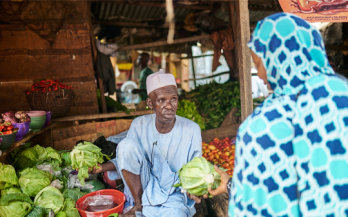
- 12/11/2024
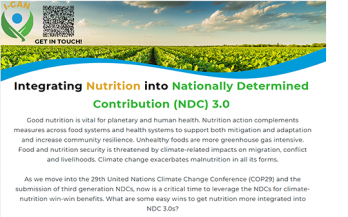
Good nutrition is vital for planetary and human health. Nutrition action complements measures across food systems and health systems to support both mitigation and adaptation and increase community resilience. Unhealthy foods are more greenhouse gas intensive. Food and nutrition security is threatened by climate-related impacts on migration, conflict and livelihoods. Climate change exacerbates malnutrition in all its forms.

- 07/11/2024
A diverse diet is important for health and well-being, contributing to lower malnutrition, including micronutrient deficiency diseases (hidden hunger), as well as underweight, overweight, and associated ill health like low immune system function and non-communicable diseases. It is highlighted under Rwanda’s draft Strategic Plan for Agricultural Transformation (PSTA-5) (2024 to 2030).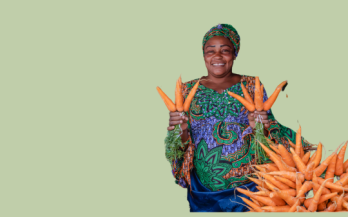
- 22/10/2024
The Initiative on Climate Action and Nutrition (I-CAN) presents a new report that analyses the intersection of biodiversity and nutrition, "Biodiversity and Nutrition Synergies: Evaluating National Biodiversity Strategies and Actions Plans for Integration." The report offers a comprehensive analysis of 192 National Biodiversity Strategies and Action Plans (NBSAPs), revealing the current state of nutrition integration in biodiversity policies worldwide.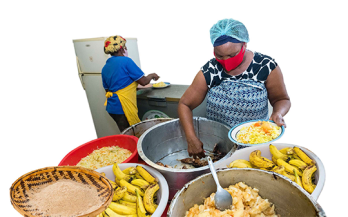
- 06/11/2024
ToeffectivelytransformMozambique’snationalfoodsystemsinalignmentwiththeUnited Nations Food Systems Summit pathways, it is crucial to have access to current data and analytics. Mozambique’s Food Systems Dashboard, hosted by SETSAN1 (the National Secretariat for Food and Nutrition Security under the Ministry of Agriculture), plays a pivotal role in this transformation.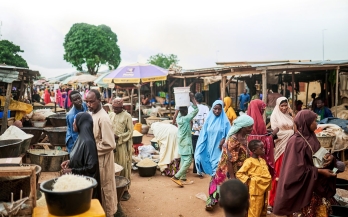
- 01/11/2024
Food systems have the potential to drive inclusive growth, prosperity, nutrition, and health, or, if poorly managed, they can deepen inequalities and exacerbate poverty, malnutrition, and other poor outcomes. Data plays a crucial role in building food systems that drive positive development outcomes by providing the foundation for informed decision-making, effective policy formulation, targeted interventions, and stakeholder engagement and collaboration.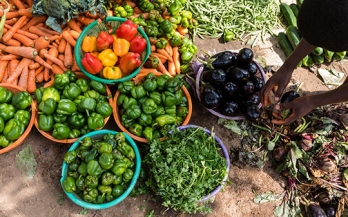
- 16/10/2024
This convening paper summarises the contents and outcomes of a meeting series jointly organised by the Deutsche Gesellschaft für Internationale Zusammenarbeit (GIZ) and the Global Alliance for Improved Nutrition (GAIN). The initiative aimed to foster exchange between policy advisors from both organisations who provide policy advice to governments on topics related to food systems transformation and governance.
- Iowa, United Kingdom