This work aimed at assessing the combined influence of different factors on vitamin A retention and the oxidative status of wheat flours: storage duration, temperature during storage, relative humidity within storage facilities, type of packaging, and premix composition.
The International Congress of Nutrition (IUNS) is taking place in Buenos Aires, Argentina from 15 to 20 October 2017.
The Congress’ programme will focus on every aspect of nutrition issues.
Fortified beverages and supplementary foods, when given during pregnancy, have been shown to have positive effects on preventing maternal anaemia and iron deficiency. The purpose of this paper is to assess how fortified food, when given during pregnancy, has positive effects on preventing maternal anaemia and iron deficiency.
This paper outlines key findings on the perceived effectiveness of regulatory monitoring systems and barriers to compliance against national fortification standards. Findings highlight that regulatory agencies and industry disagree on the value that enforcement mechanisms have in ensuring compliance against standards.
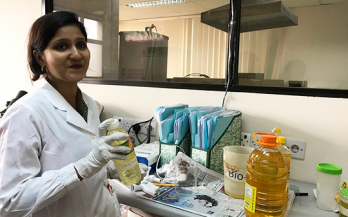
The objective of this study was to validate a newly developed device that quantitatively measures the content of retinyl palmitate in refined palm oil, is simple to use, and yields immediate results for fortification of vitamin A in the oil industry.
Fortification of vegetable oils is a strategy implemented worldwide to prevent Vitamin A deficiency. The objective of this study was to assess vitamin A content in the oil industry.
Unbranded palm cooking oil has been fortified for several years and can be found in the market with different oxidation levels. This study aimed to investigate the stability and shelf life of unbranded, bulk, vitamin A-fortified palm oils with the most commonly observed oxidation levels in Indonesia.
In this paper we review the evidence basis for prevention of folic acid–sensitive neural tube defects through public health interventions in women of reproductive age, the proven vehicles for delivery of folic acid, and what is needed to effectively scale these, and provide a snapshot of potential innovations that require future research.
The objective of this study was to assess the associations between anemia and multiple proximal risk factors and distal risk factors in nonpregnant women of reproductive age.