Global Alliance for Improved Nutrition (GAIN)
  • About

    About

    About

    The Global Alliance for Improved Nutrition (GAIN) is a Swiss-based foundation launched at the United Nations in 2002 to tackle the human suffering caused by malnutrition.

    Learn more about GAIN

    • Who we are
      • Vision and mission
      • Strategy
      • Core values
      • Policies
    • Malnutrition
      • Definition
      • Quick facts
    • Partnerships
      • All Partners
      • GAIN Nordic Partnership
      • Global Fortification Data Exchange (GFDx)
      • Act4Food Act4Change
      • Zero Hunger Private Sector Pledge
    • Leadership
      • Strategic Management Team and Country Directors
      • Board of Directors
      • Partnership Council
      • Get to know our Executive Director
    • Sustainable Development Goals
    • Donors
      • Support us
      • See current donors
  • Programmes

    Programmes

    • All programmes

      All programmes

      Our programmatic work directly impacts over a billion people worldwide and drives the policy changes we advocate with partners. These programmes aim to transform food systems, ensuring sustainable, healthier diets for everyone especially those most at risk of malnutrition and vulnerability.

      All programmes

      • Food Fortification
        • Large-Scale Food Fortification
        • Nutrient Enriched Crops
      • Thriving Nutrition Enterprise
        • Nutrition Investing
        • Nutrition Impact at Scale
        • Nutrition Enterprise Development
        • SUN Business Network
      • Empowering Food Systems Actors
        • Food Systems Governance
        • Children and Young People
      • Social Protection
      • Workforce Nutrition
      • Enabling Coherent Food Systems Policies
        • Nourishing Food Pathways
        • CASCADE (CAtalyzing Strengthened policy aCtion for heAlthy Diets and resiliencE)
      • Enhancing Value Chains for Underconsumed Foods
        • Explore Enhancing Value Chains for Underconsumed Foods
        • DELIVER Nigeria
      • Shifting Demand
        • EatSafe
        • Consumer demand generation
        • Food Culture Alliance
        • Multiple Micronutrient Supplementation (MMS) Project
      • Enhancing Nutrition with Data & Evidence
        • Food Systems Countdown Initiative
        • Global Diet Quality Project
        • Food Systems Dashboard
        • Initiative on Climate Action and Nutrition (I-CAN)
    • Cross Cutting Themes

      Cross Cutting Themes

      Cross-cutting themes are co-benefits of work that we do with the primary aim of healthier diets for all.

      All Cross Cutting Themes

      • Environment
      • Food Safety
      • Gender
      • Youth
      • Food System Resilience
      • Reaching the Very Poor
  • Impact

    Impact

    Impact

    Explore how GAIN has reached over one billion people since 2001, transforming their lives with improved nutrition through concerted action and effective policy change.

    Read our Stories of Impact

    • Stories of Impact
    • Nourishing Food Pathways
    • Our response to COVID-19
    • Outcomes
  • Resources

    Resources

    • Publications

      Publications

      Explore a full range of publications and documents related to our work.

      Explore our Publications

      • Reports and Publications
      • Datasets
      • Annual reports
      • Nutrition Connect
    • Multimedia

      Multimedia

      Have a look at our photos, listen to our latest podcast and watch our videos.

      Explore our Multimedia

      • Videos
      • GAIN Interview Cruncher Series
      • Bite the Talk - GAIN Podcast Series
      • Glossary
      • Brand identity
    • Newsroom

      Newsroom

      Our dedicated newsroom that includes our latest news releases and statements, as well as curated blogs and interviews

      Explore our Newsroom

      • News releases
      • Blogs
      • Statements
      • Speeches
      • Programme and project updates
      • Interviews
      • GAIN in the news
      • Stories
  • Countries

    Countries

    Countries

    Headquartered in Geneva, Switzerland, GAIN has offices in countries with high levels of malnutrition: Bangladesh, Benin, Ethiopia, India, Indonesia, Kenya, Mozambique, Nigeria, Pakistan, Rwanda, Tanzania and Uganda. To support work in those countries, we have representative offices in the Netherlands, the United Kingdom, and the United States.

    Countries

    • Country Offices
      • Bangladesh
      • Benin
      • Ethiopia
      • India
      • Indonesia
      • Kenya
      • Mozambique
      • Nigeria
      • Pakistan
      • Tanzania
      • Uganda
    • Representative Offices
      • The Netherlands
      • United Kingdom
      • United States of America
    • Headquarter
      • Switzerland
  • Careers
    • Careers at GAIN
    • Open Vacancies
    • FAQ
  • Request for proposal
  • Financials
  • Events
    • All events
    • Campaigns
  • Contact us
  • Donate
Experiences and lessons learned for delivery of micronutrient powders interventions

Experiences and lessons learned for delivery of micronutrient powders interventions

- 13/09/2013

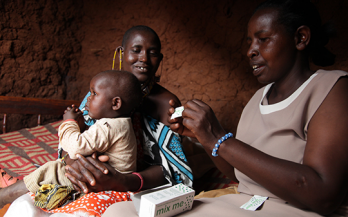
This paper focuses on programmatic experiences related to micronutrient powders delivery, social and behaviour change communication, and training. Methods included a review of published and grey literature, interviews with key informants, and deliberations throughout the consultation process.
Executive summary for the micronutrient powders consultation: lessons learned for operational guidance

Executive summary for the micronutrient powders consultation: lessons learned for operational guidance

- 13/09/2017

The objectives of this study were to identify and summarize the most recent micronutrient powders (MNP) programme experiences and lessons learned for operationalizing MNP for young children and prioritize an implementation research agenda.
Evidence of the effectiveness of flour fortification programs on iron status and anemia: a systematic review

Evidence of the effectiveness of flour fortification programs on iron status and anemia: a systematic review

- 02/10/2015

More than 80 countries fortify flour, yet the public health impact of this intervention on iron and anemia outcomes has not been reviewed. The objective of this systematic review was to review published and gray literature pertaining to the impact of flour fortification on iron and anemia.
Effects of a parenting program among women who began childbearing as adolescents and young adults

Effects of a parenting program among women who began childbearing as adolescents and young adults

- 21/08/2017

The purpose of the study was to examine whether access to an at-scale, group-based parenting education program (“Educación Inicial”) had differential effects on parenting behaviors and child cognitive development according to mother's age at the birth of her first child, with a focus on adolescent mothers in rural Mexico.
Delivery channels to close the nutrient intake gap—what to do without data?

Delivery channels to close the nutrient intake gap—what to do without data?

- 24/11/2015

Accurate data on nutrition and health is largely lacking in many countries, which compromises the targeting of nutrition interventions to those in need. The objective of this study was to highlight the lack of data available to measure and track micronutrient status.
Coverage and utilization in food fortification programs: critical and neglected areas of evaluation

Coverage and utilization in food fortification programs: critical and neglected areas of evaluation

- 12/04/2017

The need for evidence to inform nutrition program design and implementation has long been recognized, yet the generation and use of evidence for program decision making has lagged. The purpose of this study was to assess the strengths and areas for improvement of current population-based and targeted fortification programs.
Considerations for rice fortification in public health: conclusions of a technical consultation

Considerations for rice fortification in public health: conclusions of a technical consultation

- 01/09/2014

This paper summarizes the discussions and priority research areas for the forthcoming years on the industrial and regulatory technical considerations in rice fortification. It also covers considerations for implementing it as a public health strategy and assuring equitable access and universal coverage, were reviewed in this consultation.
Complementary feeding diets made of local foods can be optimized, but additional interventions will be needed to meet iron and zinc requirements in 6- to 23-month-old children in low- and middle-income countries

Additional complementary feeding interventions will be needed to meet iron and zinc requirements in 6- to 23-month-old children in low- and middle-income countries

- 01/12/2016

The question whether diets composed of local foods can meet recommended nutrient intakes in children aged 6 to 23 months living in low- and middle-income countries is contested.
Ending malnutrition by 2030 means running a different race. Let’s start now.

Ending malnutrition by 2030 means running a different race.

Next year’s Global Nutrition Summit in Japan marks the start of a demanding Sustainable Development Goals (SDG) race to end malnutrition by 2030.  But if we are to have any chance of crossing the finishing line in time, we have to run a different race to the one we have been running for the past 5 years.
Assessing coverage of population-based and targeted fortification programs with the use of the fortification assessment coverage toolkit (FACT): background, toolkit development, and supplement overview

Assessing coverage of population-based and targeted fortification programs

- 01/05/2017

This supplement presents results from Fortification Assessment Coverage Toolkit (FACT) surveys that assessed the coverage of population-based and targeted food fortification programs across 14 countries. It then discusses the policy and program implications of the findings for the potential for impact and program improvement.

Pagination

  • Previous page ‹‹
  • Page 83
  • Next page ››

© GAIN 2026

  • Sitemap
  • Terms and conditions
  • Privacy policy
  • Accessibility
  • Subscribe
  • RSS
  • Ethical Supply Chain Statement
  • Follow us

  • Twitter X
  • Facebook
  • Instagram
  • Linkedin
  • Youtube