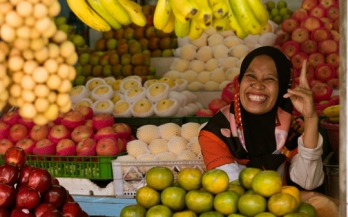
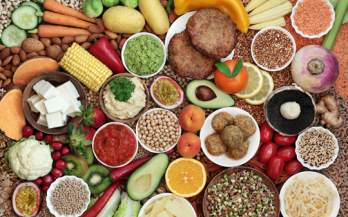
These changes to our food systems could improve human and planetary health
On the recent World Food Day, the clarion call was clearer than ever: We must fix our food systems to improve human health, drive economic growth, and save the planet from environmental collapse. The challenges facing us are wide-ranging. The way the world produces and consumes food causes huge environmental impacts, and yet 3 billion people worldwide are unable to afford a healthy diet, and up to a third of the food we produce is wasted.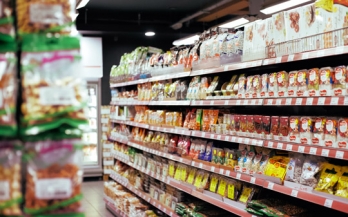
GAIN Discussion Paper Series 8 - The product reformulation journey so far: an assessment
- 22/10/2020
Deteriorating nutrition and health outcomes have stimulated nutrition programmes and policies to strive to reduce the intake of salt, added sugar, and unhealthy fats towards recommended targets. Alongside promoting the consumption of fresh nutritious foods (e.g., fruits, vegetables, and whole grains), reformulation of processed foods may make an important contribution to improving diets.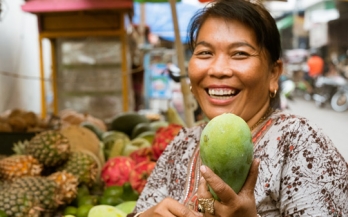
GAIN salutes WFP Nobel Prize
Today, the World Food Programme (WFP) was awarded the Nobel Peace Prize for its efforts to combat a surge in global hunger amid the coronavirus pandemic. To congratulate on the award, Lawrence Haddad, GAIN Executive Director, sent the following message to David Beasley, Executive Director of the World Food Programme.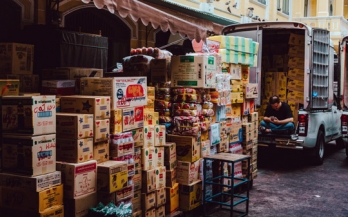
Informal food retail in urban areas
- 09/10/2020
Informal food retail is a central informal sector activity with a particular defining role in urban food systems, and is critical to the food and nutrition security of urban society. Many families and individuals residing in cities, especially those on low incomes, depend on informal food retail as a source of nutritious food such as fresh fruits and vegetables. It also offers a livelihood and source of income for many workers.
Voices of Food Systems: 24-Hour Global Relay Conversation
Online Webinar, Global
The UN Food Systems Summit will launch bold new actions, solutions and strategies to deliver progress on all 17 Sustainable Development Goals, each of which relies to some degree on healthier, more sustainable and equitable food systems.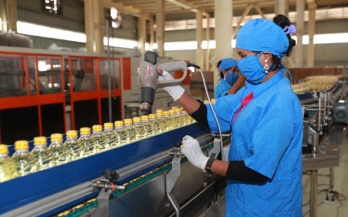
COVID-19 is making it harder for vulnerable people to access healthy food
- 07/10/2020
At every life stage, micronutrients are crucial to immune system function and resilience to infectious disease. This brief makes the case for large scale staple food fortification as a critically important tool to fight malnutrition in general, and even more so during the global COVID-19 pandemic.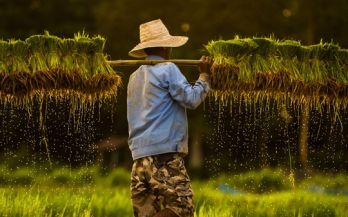
Boosting nutrition amidst a pandemic, food fortification emerges safe and cost efficient
As the COVID-19 pandemic shifts into its second phase, food fortification has never been so necessary in the fight against malnutrition, according to a call to action endorsed by Food Fortification Initiative, Global Alliance for Improved Nutrition, Helen Keller International, Iodine Global Network, Nutrition International, the Scaling Up Nutrition Movement, UNICEF and the World Food Programme.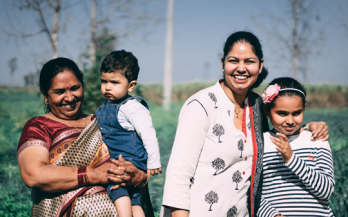
9th Annual Giving Women Conference: Women's fight for food rights
- Online Webinar, Global
The Giving Women Annual Conference is a crucial platform for different actors including UN organisations, civil society, NGOs, business, academia, among others to inform, reflect, and act together to bring dignity and agency to women and girls worldwide.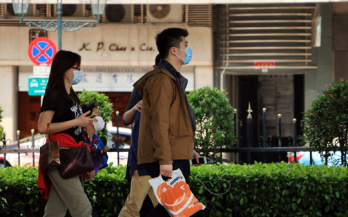
SDGs & global health through the pandemic lens
Online Webinar, Global
The United Nations Sustainable Development Goals (SDGs) has been challenged by the COVID-19 pandemic. This pandemic has underlined the faults that existed in the past systems, which requires developing multi-sectoral solutions to show the road for a stronger future.