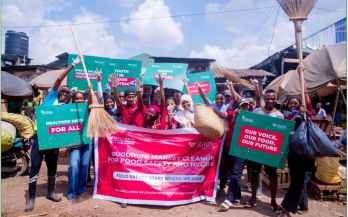
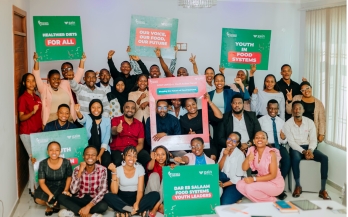
Young people represent a critical yet underutilised force in transforming food systems. By actively engaging youth in transformation processes, they can co-lead initiatives, shape agendas, and influence policymakers to address their priorities and make decision-making more inclusive.
Collective action is a powerful mechanism through which young people organise around shared food systems priorities to generate sustained pressure for policy change while building capacity for long-term engagement in governance processes. However, despite the growing visibility of youth-led movements, the pathways through which young people’s collective voices shape and become institutionalised within national food and nutrition policies remain underexamined, particularly in low- and middle-income countries.
Globally, the youth population is rapidly growing, particularly in low- and middle-income countries, where food systems are central to livelihoods and significantly influence nutritional outcomes. Despite this, young people remain underrepresented in food systems policy and decision-making processes.
Addressing this gap requires youth leadership programmes that integrate systems thinking, cross-sectoral collaboration, and experiential learning to better prepare young people for meaningful engagement in food systems transformation. This case study explores how a youth leadership programme implemented in Arusha, Tanzania, enhanced young people’s ability to influence food policy processes, advocate for inclusive reforms, and drive meaningful change in their communities.
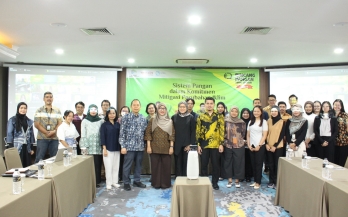
Amidst the rising urgency of climate mitigation, strategies remain heavily dominated by the energy, forestry, and transport sectors as the primary sources of greenhouse gas (GHG) emissions. However, food systems—which account for more than a quarter of Indonesia's emissions—remain on the periphery of climate policy. This critical gap was the focus of the 6th Bincang Pangan Sehat Lestari (BPSL) series held on 11 December 2025. The event brought together experts, policymakers, and practitioners from both government and NGOs to bridge this divide.
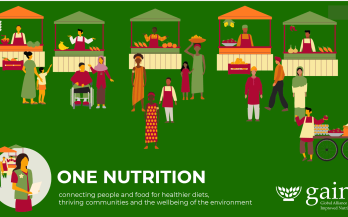
The ONE Nutrition Toolkit brings together practical guidance and training materials to support a systems-based approach to nutrition. It helps practitioners link food systems, human health, and environmental sustainability to drive better diets and stronger communities.
It includes a Facilitator’s Guide and Slide Deck designed to support training, learning, and real-world application of the ONE Nutrition approach across diverse contexts.
The Take-Home Ration (THR) initiative is a cornerstone of India’s POSHAN 2.0 and Saksham Anganwadi programs. Designed to support children under three and pregnant or lactating mothers (PWLMs), THR delivery systems have undergone significant evolution. With the National Food Security Act (NFSA) 2023 updates, there is now a legal mandate for enhanced micro- and macronutrient standards across all distributions.
Nutrient deficiencies and related undernutrition (including stunting, wasting, and anemia) are widespread in low- and middle-income countries (LMICs), with as many as 9 in 10 females being deficient in ≥1 micronutrient and 1 in 2 females experiencing anemia in several countries in South Asia and sub-Saharan Africa.
New analysis provides first-ever global estimates of how fortified foods improve nutrition and the untapped potential to dramatically expand benefits at a minimal cost.
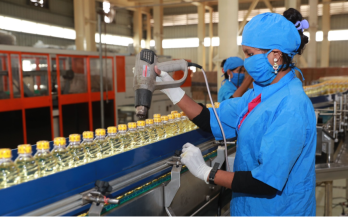
Large-scale food fortification—adding essential vitamins and minerals to staple foods like flour, rice, oil, and salt—currently prevents approximately 7 billion nutrient gaps* worldwide each year at a cost of just 18 cents per person, according to a new study published in The Lancet Global Health. The landmark study provides the first-ever comprehensive global analysis of both the cost and impact of food fortification and provides a roadmap to triple current impact globally.
Ending hunger and malnutrition in all its forms is about more than securing enough food to survive – what people eat must also be nutritious. However, nutritious foods and, by extension, healthy diets are unaffordable and unattainable for vast numbers of families. Approximately 2.8 billion people worldwide – a third of the global population – cannot afford a diet with the minimum variety of food necessary to meet essential nutrition standards. This affordability gap is most acute in low-income countries, where up to 3 in 4 people lack the means for a nutritionally adequate diet.
Bite The Talk-Nutrition Futures Initiative
EP 30
The Nutrition Futures Initiative (NFI) seeks to strengthen the nutritional impact of social…