World Breastfeeding Week 2026
- Global
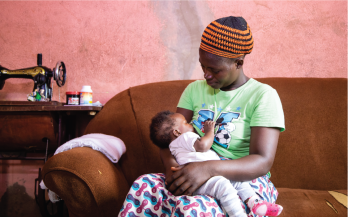
GAIN will be marking World Breastfeeding Week 2026 with reflections and updates on the importance of breastfeeding for child survival, healthy growth and improved nutrition. More details will be shared soon.
Shaping Consumer Demand for Nutritious Diets in Africa
- Global
Join GAIN and partners for a virtual webinar exploring how consumer demand, private-sector strategies and enabling policies can support healthier diets across Africa. The session will bring together evidence, practical experience and policy insights ahead of the Africa Food Systems Forum 2026 Nutrition and Health Platform.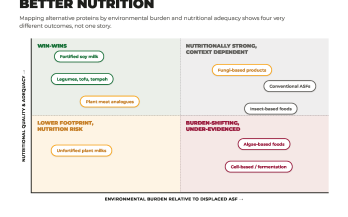
Climate-only Lens on Alternative Proteins Risks Worsening Micronutrient Deficiencies
Over the past few years, alternative proteins have moved from sustainability narratives to real-world food products on plates. While the argument of alternative proteins helping reduce climate change sounds revolutionary, there are shortfalls. In a recent article published in the journal One Earth, researchers from the Global Alliance for Improved Nutrition (GAIN) argue that the case for alternative proteins is often made on narrow evidence—oversimplifying it to just mitigating climate change could have an unintended effect of worsening micronutrient deficiencies in the regions where nutrition is already most precarious.
Accelerating Food Systems Transformation Across Asia
- 06/07/2026
Despite progress in reducing hunger and improving the affordability of healthy diets, the region’s food systems are not transforming quickly enough to deliver equitable nutrition, environmental sustainability, resilience and shared prosperity. This report presents eight practical tools covering food-systems monitoring, data visualisation, diet-quality measurement, policy coherence, climate nutrition integration, political-economy analysis, innovative financing and financial-flow tracking that governments and partners can use to identify gaps and opportunities, develop evidence-based plans, align policies across sectors, overcome implementation barriers and direct investment towards priority areas. Drawing on cases and data from across Asia, it highlights substantial differences between countries and subregions, alongside persistent challenges in food security, diet quality, emissions, water use, governance and financing. It concludes that accelerated, coordinated and government-led action supported by reliable data, coherent policies, inclusive decision-making and better-targeted finance is urgently needed to build healthier, fairer and more sustainable food systems and advance the 2030 Sustainable Development Goals.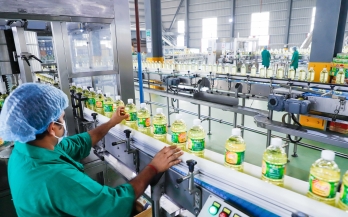
The Momentum Behind Food Fortification Is Building. June 30 Is Proof
Something significant is happening in food fortification. Quietly, and across more countries than most people realize, the years following passage of a milestone resolution on food fortification at the World Health Assembly have delivered a meaningful acceleration in the scale, quality, and political visibility of large-scale food fortification programs worldwide.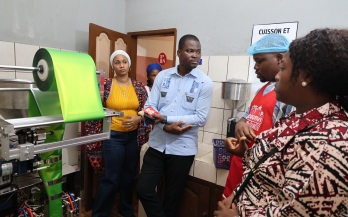
The backbone of Resilient Food Systems: Micro, Small and Medium Enterprises
In the current global context of prolonged global conflicts, increasing severity of climate change and ever rising inflation, the need to make our food systems, resilient has never been more urgent than now. Resilient food systems feed and nourish people, create jobs, protect livelihoods and withstand shocks such as climate change, conflict, rising prices and supply disruptions. And the backbone of what makes food systems truly resilient are the Micro, small and medium enterprises (MSMEs). They are small individually, but together they form the everyday engine of our food systems.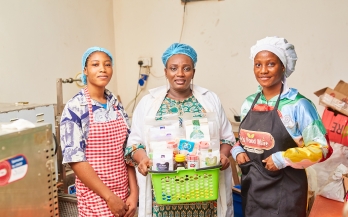
Private Sector Principles of Engagement
- 25/06/2026
Achieving healthier, more inclusive and sustainable food systems requires a fundamental shift in how public and private finance, coordinated action and policy incentives are mobilised and aligned.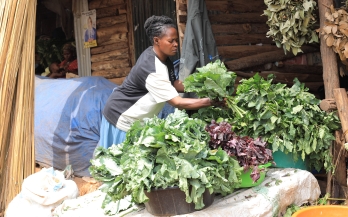
Final Report I-CAN: Landscaping Analysis On Climate And Nutrition Policies In Uganda.
- 23/06/2026
Uganda is increasingly recognizing the importance of addressing the intersection of climate change and nutrition, with a growing number of policies and institutional actors engaging with the climate–nutrition nexus. Several policies and initiatives demonstrate that integrated action is both possible and already underway, particularly where explicit pathways, costed commitments, and system-level resilience investments are included. Institutions such as the Office of the Prime Minister, the National Planning Authority, and the Ministry of Health provide important entry points for strengthening coordination, while informal influence networks and policy windows offer additional opportunities to advance integration.