- 18/10/2016
The work reported here assesses the coverage achieved by two sales-based approaches to distributing a complementary food supplement (KOKO Plus™) to infants and young children in Ghana.
- 01/05/2017
This supplement presents results from Fortification Assessment Coverage Toolkit (FACT) surveys that assessed the coverage of population-based and targeted food fortification programs across 14 countries. It then discusses the policy and program implications of the findings for the potential for impact and program improvement.
- 15/06/2010
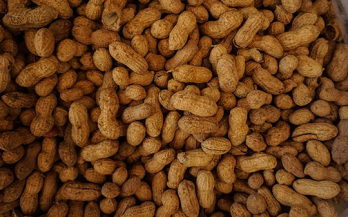
The objectives of the paper are to review the existing epidemiologic data about peanut allergy, to determine whether the prevalence of peanut allergy is lower in developing countries, and to explore the possible reasons for onset of peanut allergy.
- 04/09/2012
In this assessment, dietary modeling in children aged 6–60 months was undertaken, based on food consumption patterns described in the 2009 national food consumption survey, using a 24-h recall method.
- 14/01/2014
The present study aimed to determine the contribution of ID, infections and feeding practices to anaemia in Bangladeshi infants aged 6–11 months. Baseline data from 1600 infants recruited into a cluster-randomised trial testing the effectiveness of micronutrient powder sales by frontline health workers on the prevalence of anaemia were used.
- 12/09/2017
This study evaluated the effects of a multi-micronutrient fortified juice drink given in different frequencies of consumption on hemoglobin concentration of schoolchildren. This study demonstrates the importance of targeting such interventions to appropriate populations.
- 29/04/2016
The objective of this study was to pioneer the distribution of a locally-produced micronutrient powders, provided for sale through the public health system with counseling on optimal infant and young child feeding practices by trained health workers.
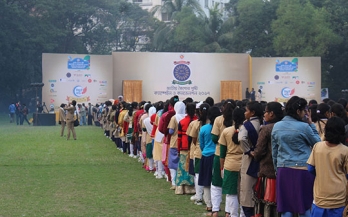
5000 adolescent girls – known as the "Golden Girls" – assembled on 19 December 2017 in the Sultana Kamal Mohila Complex, Dhaka, to celebrate the launch of the national "Adolescent Nutrition Campaign". For the Golden Girls – and many more adolescent girls in the country – this campaign represents a window of opportunity to push further the development of Bangladesh.
Today to mark Women’s Day 2018, we come together to celebrate women and girls, raise awareness of their rights, and to advocate for women empowerment. Moreover, we celebrate the women who are working to fix food systems and to improve nutrition in their communities around the world.
Babies are the nutritionist’s biggest challenge. Their rapidly developing minds and bodies need large doses of nutrients, yet their stomachs are small and unable to hold much of anything. This is why nutritionists have worked for decades on the development of special foods for low-income settings, including both fortified porridges and fortified products in powder or paste form which can be added to standard family foods.