- 01/04/2018
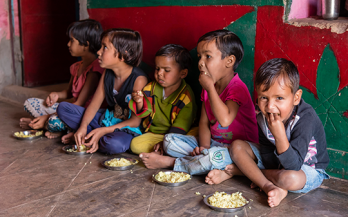
The state of Gujarat had introduced Extruded Fortified Blended Food as take-home ration for children 6–35 months of age. The study aimed to understand awareness, availability, and consumption pattern of Balbhog.
- 24/11/2015
Accurate data on nutrition and health is largely lacking in many countries, which compromises the targeting of nutrition interventions to those in need. The objective of this study was to highlight the lack of data available to measure and track micronutrient status.
- 12/04/2017
The efficacy of a number of interventions that include fortified complementary foods (FCFs) or other products to improve infant and young child feeding (IYCF) is well established. This article reviews key findings from 11 coverage surveys of IYCF programs distributing or selling FCFs or micronutrient powders in 5 countries.
- 12/04/2017
The need for evidence to inform nutrition program design and implementation has long been recognized, yet the generation and use of evidence for program decision making has lagged. The purpose of this study was to assess the strengths and areas for improvement of current population-based and targeted fortification programs.
- 01/03/2018
The purpose of this study aimed to assess existing coverage and utilization of micronutrient powders (MNPs), fortified staples, and iodized salt among children aged 6 to 23 months prior to implementation of an MNP program.
- 05/12/2016
The objective of this study was to formulate age- and context-specific complementary feeding recommendations (CFR) for infants and young children and to compare the potential of filling population-level nutrient gaps using common sets of CFR across age groups.
- 01/12/2015
Several types of interventions can be used to improve nutrient intake adequacy in infant and young child diets, including fortified foods, home fortification, nutrition education and behaviour change communication in addition to agricultural and market‐based strategies. The purpose of this study was to initiate a collaborative project in Kenya to improve the nutritional adequacy of foods consumed by infants and young children.
- 01/12/2016
The question whether diets composed of local foods can meet recommended nutrient intakes in children aged 6 to 23 months living in low- and middle-income countries is contested.
- 01/03/2016
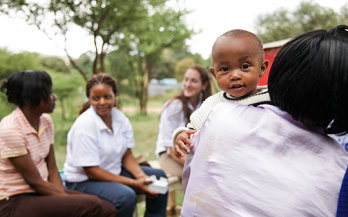
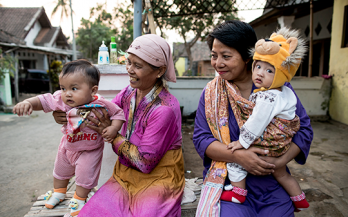
The purpose of this study was to examine the effect of a novel behaviour change intervention, Gerakan Rumpi Sehat (the Healthy Gossip Movement), on infant and young child feeding practices in peri‐urban Indonesia.
- 01/12/2013
Since fortification of sugar with vitamin A was mandated in 1998, Zambia's fortification program has not changed, while the country remains plagued by high rates of micronutrient deficiencies. The objective of this study was to provide evidence-based fortification options with the hope of reinvigorating the Zambian fortification program.