Docosahexanoic acid (DHA) is an important constituent of the brain. Evidence from well-designed intervention trials of the long-term benefits of increasing DHA intake during pregnancy has been sparse. This study evaluated global cognition, behavior, and attention at age 5 years in the offspring of Mexican women who participated in a randomized controlled trial of prenatal DHA supplementation.
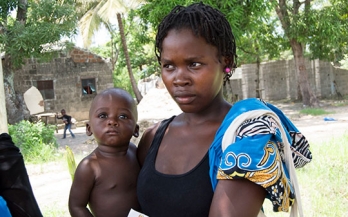
Performance-based financing (PBF) directed at healthcare providers has shown potential to improve quantity and quality of maternal and child health services. This study implemented a longitudinal-controlled proof-of-concept PBF intervention at health facilities and with community-based associations focused on preventing vertical transmission of HIV (PVT) in rural Mozambique.
The Women Deliver 2019 Conference will take place 3-6 June 2019 in Vancouver, Canada and will be the world’s largest conference on gender equality and the health, rights, and wellbeing of girls and women in the 21st century.
The United Nations Children’s Fund (UNICEF) and the Global Alliance for Improved Nutrition (GAIN), in partnership with the Ministry of Foreign Affairs of the Kingdom of the Netherlands, co-hosted a global consultation on children, adolescents and food systems at the UNICEF Office of Research-Innocenti on 5-7 November 2018.
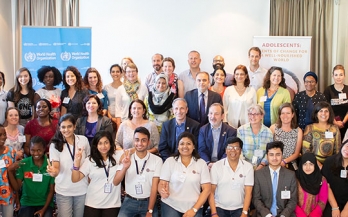
GAIN, together with the World Health Organization (WHO), will co-organize the event ‘Adolescents – Agents of change for a well-nourished world’, which plans to bring together country stakeholders, experts and resource persons from development partners and private sector actors working on adolescent nutrition.
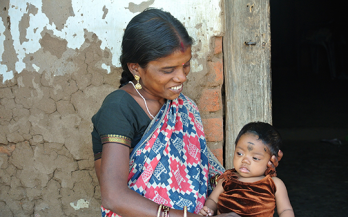
The Integrated Child Development Services in the State of Telangana, India, freely provides a fortified complementary food product, Bal Amrutham, as a take-home ration to children. This study was conducted to estimate the coverage and utilization of Bal Amruthama, a fortified complementary food product, and to identify barriers and drivers.
This study assessed whether the predicted differences in age-sex patterns were observed in the village, replicated the examination nationally for indigenous children, and examined whether the pattern in nonindigenous children was different.
The International Diabetes Federation (IDF) organised a panel discussion between nutrition experts, government representatives and people living with diabetes on how to overcome the gaps in nutrition education to ensure a healthy future for the next generations.
GAIN is proud to be a sponsor of the SBCC Summit which is organized to better understand what works in shifting social norms, changing behaviors and in amplifying the voice of those who have most at stake in the success of development efforts.