2021 represents a pivotal year to invigorate interest, awareness and investment in Large-Scale Food Fortification (LSFF) and biofortification. UN Secretary-General António Guterres will convene a Food Systems Summit as part of the Decade of Action to achieve the Sustainable Development Goals (SDGs) by 2030.
With the devastating social and economic impacts of COVID-19, it is more important than ever to protect the nutrition, health, and livelihoods of the world’s most vulnerable. We know that many of the two billion people who suffer from micronutrient deficiencies, or "hidden hunger", consume rice as their primary staple food.
Understanding and addressing these gaps along the fortification supply chain is critical to ensure the quality and safety of fortified products in the food system. This requires accessing and managing information/data along the fortification value chain to trace quality from production to consumption.
Ending hunger and malnutrition in all its forms (including undernutrition, micronutrient deficiencies, overweight and obesity) is about more than securing enough food to survive: what people eat - and especially what children eat – must also be nutritious. Yet a key obstacle is the high cost of nutritious foods and the low affordability of healthy diets for vast numbers of families.
Globally 86 countries have legislation to mandate fortification of at least one industrially milled cereal grain. Different fortification requirements between nations may create some practical difficulties for intercountry trade.
Global food systems are powered by private sector investment and entrepreneurs, micro, small, medium, and large. Staple food fortification is an extremely effective, low-cost, food systems intervention with enormous potential to reduce micronutrient malnutrition across large populations.
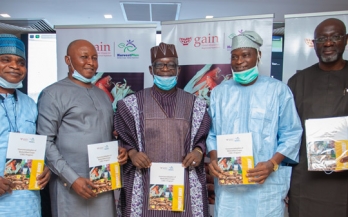
The Global Alliance for Improved Nutrition (GAIN) and HarvestPlus have launched the Commercialisation of Biofortified Crops (CBC) Programme in Nigeria to significantly increase access to biofortified seeds, grains, and foods via commercial channels in Africa’s most populous country.
Moderated by prominent author, journalist and advocate with the Chicago Council on Global Affairs, Roger Thurow, this webinar will focus on success stories to demonstrate how these interventions can have a multiplier effect in reaching those most at risk of being left behind.
The Commercialisation of Biofortified Crops (CBC) Programme was launched in 2019 to address widespread hidden hunger in Africa and Asia by significantly expanding the reach of foods and food products made with biofortified staple crops.