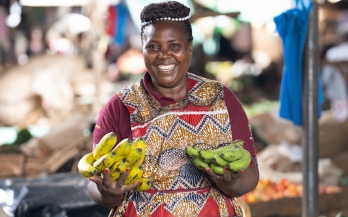
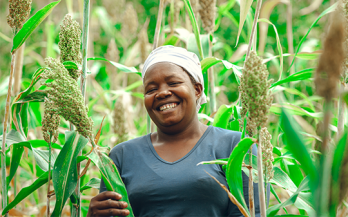
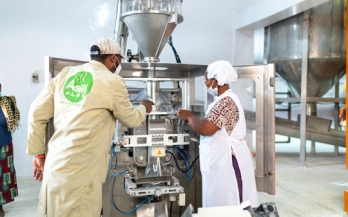
To address the triple burden on Mozambican’s Food system, GAIN in Mozambique is focused on innovative, scalable, and impactful initiatives aimed at identifying, updating, and disseminating legislation; developing businesses that produce and distribute safe and nutritious food; and implementing approaches to increase the demand and consumption of healthier diets by all Mozambicans
Deficiencies in essential vitamins and minerals (micronutrients) cause devastating damage, particularly for children and women of reproductive age, resulting in increased risks of death, disabilities, more severe and longer-lasting illness, and compromised cognitive and physical development and performance and productivity of people and countries.
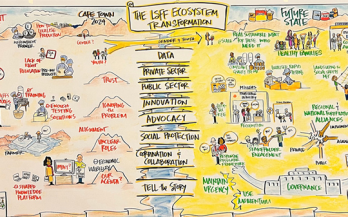
Built on our efforts at Tokyo N4G, GAIN will try to harness the capacity of the private sector to transform food systems and tackle malnutrition. Businesses large and small are the main drivers behind the action, investment, and financial flows that supply our diets everywhere.
In this webinar, we will learn from the experience of advocacy coalitions in Bangladesh, Nigeria, and Ethiopia. Representatives from these efforts will discuss how they have pursued joint action on fortification in their countries, what they have learned from this work, and plans for the future, including plans to utilise the World Health Assembly resolution on food fortification and the global N4G Summit to strengthen national efforts through contributing to significant global moments. The workshop will be a great opportunity to discuss the theory and practice of advocacy for food fortification and strategies to accelerate progress in the coming years.
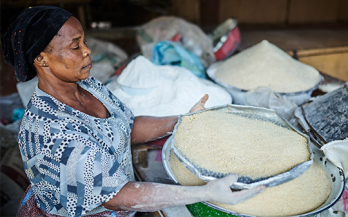
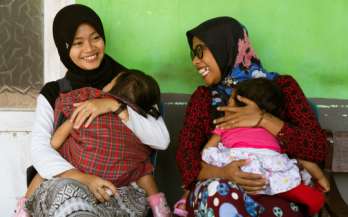
Micronutrient malnutrition remains a significant challenge in Indonesia, particularly among impoverished populations who struggle to afford and access nutrient-rich foods. Iron deficiency anemia is especially concerning, affecting 48.9% of pregnant women and 38.5% of children across the country. To address these gaps, the Ministry of Health, in collaboration with the Global Alliance for Improved Nutrition (GAIN), conducted a comprehensive Micronutrient Gap Assessment (MGA). This assessment aimed to evaluate micronutrient intake levels among Indonesians and identify the potential benefits of rice fortification in meeting recommended dietary requirements.
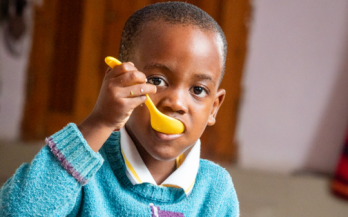
Around 130’000 school children in Tanzania are benefiting from eating fortified nutrient-dense meals through an initiative led by the Global Alliance of Improved Nutrition (GAIN) to help address the prevalence of chronic malnutrition in the countryWith a population of 64 million, Tanzania suffers from high rates of micronutrient deficiencies with one-third of children deficient in iron and vitamin A. Lack in such micronutrients for teenagers and young adults could impair their growth, learning capacity and development, and put them at risk of non-communicable diseases with consequential impact in later life.
When the Government of Ethiopia (GoE) approved policies making the fortification of wheat flour and edible oil mandatory in Ethiopia in June 2022, the country took a leap in its decade old battle to employ fortification as a means of increasing consumption of micronutrients. The GAIN Large Scale Food fortification Programme aims to provide populations with the basic #micronutrients, also known as vitamins and minerals, that they need for brain, physical and healthy development. In line with this, in Ethiopia, GAIN is working with government and the private sector to move forward the mandatory fortification of wheat flour and edible oil.
Imagine a classroom filled with eager young minds, ready to embrace the world's opportunities. Now, picture these same children and adolescents, their potential stifled not by lack of ambition, but by an invisible adversary – hidden hunger.
The goal of the congress is to present the entire breadth of the topic of daycare and school catering on an international level and to shed light on measures for the nutritional security of children. The further development of effective care and catering programs will be the subject of lectures, panel discussions and workshops.