Global Alliance for Improved Nutrition (GAIN)
  • About

    About

    About

    The Global Alliance for Improved Nutrition (GAIN) is a Swiss-based foundation launched at the United Nations in 2002 to tackle the human suffering caused by malnutrition.

    Learn more about GAIN

    • Who we are
      • Vision and mission
      • Strategy
      • Core values
      • Policies
    • Malnutrition
      • Definition
      • Quick facts
    • Partnerships
      • All Partners
      • GAIN Nordic Partnership
      • Global Fortification Data Exchange (GFDx)
      • Act4Food Act4Change
      • Zero Hunger Private Sector Pledge
    • Leadership
      • Strategic Management Team and Country Directors
      • Board of Directors
      • Partnership Council
      • Get to know our Executive Director
    • Sustainable Development Goals
    • Donors
      • Support us
      • See current donors
  • Programmes

    Programmes

    • All programmes

      All programmes

      Our programmatic work directly impacts over a billion people worldwide and drives the policy changes we advocate with partners. These programmes aim to transform food systems, ensuring sustainable, healthier diets for everyone especially those most at risk of malnutrition and vulnerability.

      All programmes

      • Food Fortification
        • Large-Scale Food Fortification
        • Nutrient Enriched Crops
      • Thriving Nutrition Enterprise
        • Nutrition Investing
        • Nutrition Impact at Scale
        • Nutrition Enterprise Development
        • SUN Business Network
      • Empowering Food Systems Actors
        • Food Systems Governance
        • Children and Young People
      • Social Protection
      • Workforce Nutrition
      • Enabling Coherent Food Systems Policies
        • Nourishing Food Pathways
        • CASCADE (CAtalyzing Strengthened policy aCtion for heAlthy Diets and resiliencE)
      • Enhancing Value Chains for Underconsumed Foods
        • Explore Enhancing Value Chains for Underconsumed Foods
        • DELIVER Nigeria
      • Shifting Demand
        • EatSafe
        • Consumer demand generation
        • Food Culture Alliance
        • Multiple Micronutrient Supplementation (MMS) Project
      • Enhancing Nutrition with Data & Evidence
        • Food Systems Countdown Initiative
        • Global Diet Quality Project
        • Food Systems Dashboard
        • Initiative on Climate Action and Nutrition (I-CAN)
    • Cross Cutting Themes

      Cross Cutting Themes

      Cross-cutting themes are co-benefits of work that we do with the primary aim of healthier diets for all.

      All Cross Cutting Themes

      • Environment
      • Food Safety
      • Gender
      • Youth
      • Food System Resilience
      • Reaching the Very Poor
  • Impact

    Impact

    Impact

    Explore how GAIN has reached over one billion people since 2001, transforming their lives with improved nutrition through concerted action and effective policy change.

    Read our Stories of Impact

    • Stories of Impact
    • Nourishing Food Pathways
    • Our response to COVID-19
    • Outcomes
  • Resources

    Resources

    • Publications

      Publications

      Explore a full range of publications and documents related to our work.

      Explore our Publications

      • Reports and Publications
      • Datasets
      • Annual reports
      • Nutrition Connect
    • Multimedia

      Multimedia

      Have a look at our photos, listen to our latest podcast and watch our videos.

      Explore our Multimedia

      • Videos
      • GAIN Interview Cruncher Series
      • Bite the Talk - GAIN Podcast Series
      • Glossary
      • Brand identity
    • Newsroom

      Newsroom

      Our dedicated newsroom that includes our latest news releases and statements, as well as curated blogs and interviews

      Explore our Newsroom

      • News releases
      • Blogs
      • Statements
      • Speeches
      • Programme and project updates
      • Interviews
      • GAIN in the news
      • Stories
  • Countries

    Countries

    Countries

    Headquartered in Geneva, Switzerland, GAIN has offices in countries with high levels of malnutrition: Bangladesh, Benin, Ethiopia, India, Indonesia, Kenya, Mozambique, Nigeria, Pakistan, Rwanda, Tanzania and Uganda. To support work in those countries, we have representative offices in the Netherlands, the United Kingdom, and the United States.

    Countries

    • Country Offices
      • Bangladesh
      • Benin
      • Ethiopia
      • India
      • Indonesia
      • Kenya
      • Mozambique
      • Nigeria
      • Pakistan
      • Tanzania
      • Uganda
    • Representative Offices
      • The Netherlands
      • United Kingdom
      • United States of America
    • Headquarter
      • Switzerland
  • Careers
    • Careers at GAIN
    • Open Vacancies
    • FAQ
  • Request for proposal
  • Financials
  • Events
  • Contact us
  • Donate
Food Fortification protects billions—but could triple its impact

Food Fortification protects billions—but could triple its impact

- 26/03/2026

New analysis provides first-ever global estimates of how fortified foods improve nutrition and the untapped potential to dramatically expand benefits at a minimal cost.
Food Fortification Prevents 7 Billion Nutrient Gaps Annually—But Could Triple Its Impact, Landmark Study Finds

Food Fortification Prevents 7 Billion Nutrient Gaps Annually—But Could Triple Its Impact, Landmark Study Finds

Nutrition for Growth Paris 2025: Tracking Commitments to Large-Scale Food Fortification

Nutrition for Growth Paris 2025: Tracking Commitments to Large-Scale Food Fortification

- 23/03/2026

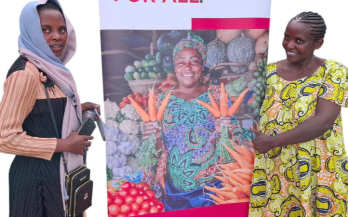
Ending hunger and malnutrition in all its forms is about more than securing enough food to survive – what people eat must also be nutritious. However, nutritious foods and, by extension, healthy diets are unaffordable and unattainable for vast numbers of families. Approximately 2.8 billion people worldwide – a third of the global population – cannot afford a diet with the minimum variety of food necessary to meet essential nutrition standards. This affordability gap is most acute in low-income countries, where up to 3 in 4 people lack the means for a nutritionally adequate diet.
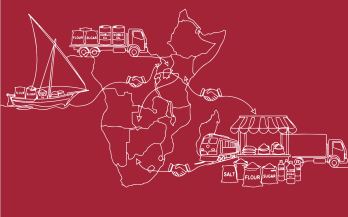
Trade as a catalyst for expanding access to fortified food in ESA (East and South Africa)

Trade as a catalyst for expanding access to fortified food in ESA (East and South Africa)

- 20/02/2026

ESA countries began implementing food fortification in the 1990s, starting with salt iodization and gradually expanding to include additional food vehicles. Today, of the 26 countries covered, 21 countries have mandatory fortification of salt, 13 of wheat flour, 10 of edible oil and maize flour, and 5 of sugar.Despite this progress, micronutrient deficiencies remain widespread across Eastern and Southern Africa, with persistently high levels of iron, vitamin A, zinc, folate, and iodine deficiencies.
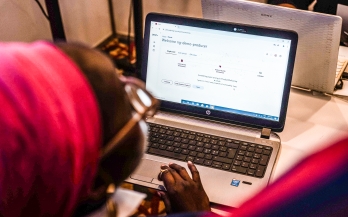
Hand in Hand, Data in Sight: How GAIN’s Digital Platform is Unlocking a New Era for Food Fortification in Nigeria

Hand in Hand, Data in Sight: How GAIN’s Digital Platform is Unlocking a New Era for Food Fortification in Nigeria

Every October, the world comes together to mark World Food Day, a moment to reflect on progress and renew our commitment to building food systems that nourish everyone. The 2025 theme, “Hand in Hand for Better Foods and a Better Future,” speaks to the power of collaboration. At GAIN Nigeria, we see this play out every day in our partnerships across governments, industry, and civil society. It is not just about what we do as an organization it is about what we achieve together. One powerful example of this is the Digital Fortification Quality Traceability Plus platform (DFQT+) platform, now transforming how fortified foods are monitored in Nigeria.
Strengthening Large-Scale Food Fortification Programmes in Rwanda

Strengthening Large-Scale Food Fortification Programmes in Rwanda

- 25/04/2025

This brief aims to 1. Describe the micronutrient malnutrition and LSFF programme context in Rwanda; 2. Identify challenges and opportunities to strengthen existing programs; 3. Provide practical, evidence-informed policy and programmatic recommendations; and 4. Catalyse multi-stakeholder collaboration to reduce micronutrient deficiencies.
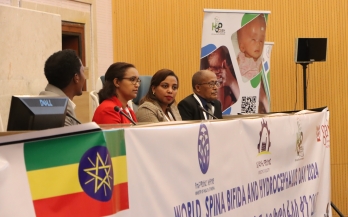
 Driving Change Through Fortification – Recognising Neural Tube Defects in Ethiopia

Driving Change Through Fortification – Recognising Neural Tube Defects in Ethiopia

Neural Tube Defects (NTDs) occur when the neural tube doesn't close properly during the first month of a mother’s pregnancy. This can result in a range of physical and cognitive disabilities, often requiring extensive medical care, including surgeries, ongoing treatments, and rehabilitation.
Availability_retail penetration & fortification quality of staple foods in retail markets in MP & TN in India

Availability_retail penetration & fortification quality of staple foods in retail markets in MP & TN in India

- 02/12/2024

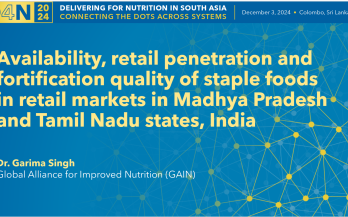
Availability, retail penetration and fortification quality of staple foods in retail markets in Madhya Pradesh and Tamil Nadu states, India
GAIN MOZAMBIQUE’S PORTFOLIO

GAIN MOZAMBIQUE’S PORTFOLIO

- 01/01/2025

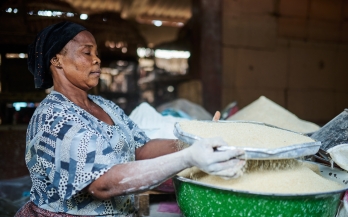
To address the triple burden on Mozambican’s Food system, GAIN in Mozambique is focused on innovative, scalable, and impactful initiatives aimed at identifying, updating, and disseminating legislation; developing businesses that produce and distribute safe and nutritious food; and implementing approaches to increase the demand and consumption of healthier diets by all Mozambicans
Manifesto for Accelerated Action Convening of Large-Scale Food Fortification Practitioners

Manifesto for Accelerated Action Convening of Large-Scale Food Fortification Practitioners

- 12/11/2024

Deficiencies in essential vitamins and minerals (micronutrients) cause devastating damage, particularly for children and women of reproductive age, resulting in increased risks of death, disabilities, more severe and longer-lasting illness, and compromised cognitive and physical development and performance and productivity of people and countries.

Pagination

  • Page 1
  • Next page ››

© GAIN 2026

  • Sitemap
  • Terms and conditions
  • Privacy policy
  • Accessibility
  • Subscribe
  • RSS
  • Ethical Supply Chain Statement
  • Follow us

  • Twitter X
  • Facebook
  • Instagram
  • Linkedin
  • Youtube