- 27/07/2026
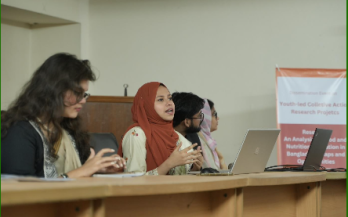
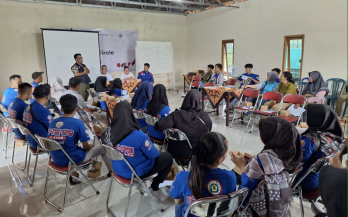
Youth participation is increasingly recognised as essential for transforming food systems, yet many young people remain underrepresented in formal decision-making, particularly in low- and middle-income countries. In Bangladesh, recent policy momentum and growing youth mobilisation have created new spaces for engagement, yet how these developments translate into meaningful influence over planning and policy processes in practice remains unclear.
This qualitative case study explored how youth engage in Bangladesh's food system policy development through 27 semi-structured interviews with youth leaders and policymakers. Youth participants were purposively selected from GAIN's Food System Youth Leadership initiative while policymakers were selected based on their roles in nutrition, food systems policy, and youth development. Data were analysed thematically using hybrid deductiveinductive approach.
- 27/07/2026
Young people are increasingly recognised as important contributors to food system transformation: raising awareness, leading community initiatives and bringing new perspectives to food system challenges. However, opportunities for them to move beyond these roles and engage in decision-making processes remain limited. In Bangladesh, the Food Systems Youth Leadership Initiative was introduced to strengthen youth leadership in food system transformation and deepen young people's understanding of food systems. This initiative also encouraged community-driven actions through collective action campaigns, helping young people build the confidence and capacity needed to engage more effectively in policy and decision-making spaces.
- 27/03/2026
This paper provides brief descriptions of eight key tools available to support national and sub-national transformation of food systems. Produced in advance of the Asia and the Pacific Food Systems Transformation Forum 2026, descriptions and cases provided focus on the Asia region.
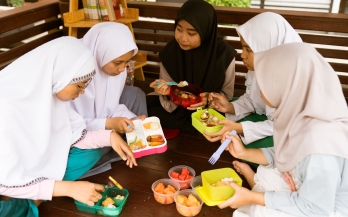
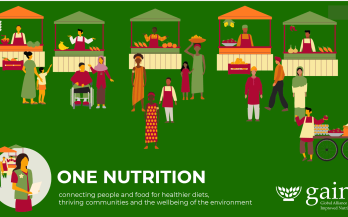
The ONE Nutrition Toolkit brings together practical guidance and training materials to support a systems-based approach to nutrition. It helps practitioners link food systems, human health, and environmental sustainability to drive better diets and stronger communities.
It includes a Facilitator’s Guide and Slide Deck designed to support training, learning, and real-world application of the ONE Nutrition approach across diverse contexts.
- 02/03/2026
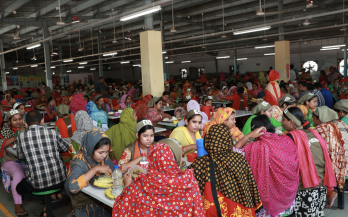
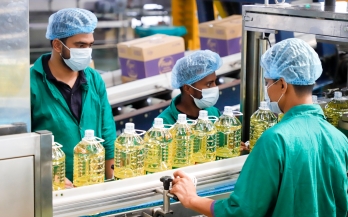
Many adults spend most of their waking hours in the workplace, making it an important—yet underappreciated—leverage point for change. In the context of food systems, workplaces can contribute to significantly improved nutrition through employer-provided nutrition programmes (also known as ‘workforce nutrition programmes’ (WFN)). However, the process of gaining support for these initiatives and the potential for institutionalising them within policy remain underexamined. This case study aims to address this by examining the development of WFN in Bangladesh, including at the factory level and through the government-led National Workforce Nutrition Alliance (NWNA). It also considers opportunities for integrating nutrition considerations into occupational safety and health (OSH) policies, regulations, and practices in Bangladesh.
- 26/02/2026
Many adults spend most of their waking hours at the workplace, making the latter a strategic, yet underappreciated, environment for health and well-being interventions. Evidence shows that workforce nutrition initiatives can improve workers’ health and well-being as well as business outcomes, yet their full potential as occupational and public health interventions remain underexplored. This paper examines the extent to which collective bargaining agreements globally include clauses on workforce nutrition, operationalised as healthy food at work, breastfeeding support, nutrition-focused health checks and follow-up, and nutrition education. Using web-based and bibliographic searches, the study identified open-access global, national, and sector-specific collective bargaining agreement (CBA) repositories. It analysed 26,015 agreements from the WageIndicator CBA database (global coverage), Légifrance (France), and the Office of Personnel Management (US) databases. Explicit references to workforce nutrition were rare.
- 18/11/2025
Much of today’s headline news paint a grim picture — numerous crises unfolding alongside a sharp decline in global solidarity and the withdrawal of the private sector from net-zero commitments. The unity that inspired the 2030 Agenda for Sustainable Development a decade ago now feels increasingly distant.
Yet, the embers of that spirit, which imbued the launch of the Zero Hunger Private Sector Pledge in 2021, remain.
- 03/04/2025
Food systems, important for food security, nutrition, prosperity, and environmental well-being, are integral to all 17 Sustainable Development Goals. Traditional food markets are strategic entry points for food systems transformation, since a diversity of stakeholders (including local producers, vendors, consumers, and government), interact routinely in these spaces. These markets connect millions of stakeholders within and across local food systems and levels of government mandates. As food-insecure regions like sub-Saharan Africa (SSA) rapidly urbanise, most urban, low-income, vulnerable communities are reliant on food purchased from markets. As such, markets are key spaces to guide vendor practices, influence consumer food choices, and strengthen inclusive governance. Despite their critical value, markets’ ‘hard’ (structures and equipment) and ‘soft’ (capacities and resources) infrastructure are significantly under-supported. Investment efforts have been challenged by a lack of understanding of how markets are embedded in the wider food system and markets’ wholesale and retail dynamics, inadequate financial models, insufficient public budgets and capacity, and limited empowerment of key stakeholders.
This paper introduces and illustrates GAIN’s Inclusive Food Systems Governance Model and supporting tools. The model is designed to strengthen investment and empower voices, alongside increased efforts to ensure sustainability and resilience in traditional food markets. It has been shown to support effective market infrastructure investments, to foster local agency and inclusive and equitable food systems transformation, and to be adaptable across different contexts. The case of Marikiti Market, Machakos County (Kenya) shows the model in action, including details of specific investment components and costs. As infrastructure investments are limited, the importance of making a sound business investment case for public and private (and philanthropic) partnerships and banks to invest in traditional markets is critical.
- 09/01/2025
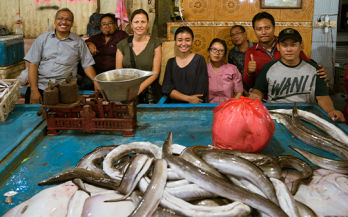
Hunger and malnutrition in all forms continues to rise in Africa and Asia. Urban and rural communities’ diets in Southeast Asia (SEA) are increasingly unhealthy, with consumption influenced by affordability and convenience. The cost of a healthy diet is a major barrier to accessing healthy foods in SEA. Wet markets are key places in food environments where people buy and sell a variety of foods. They are especially important for food and nutrition insecure communities. This mini narrative review explores the role that wet markets, in SEA food environments, play in providing local communities with access to healthy foods. Fourteen peer-review papers, published in English between 2017 and 2022, were identified during screening and analysed according to six food environment domains. Findings highlight that convenient access to wet markets facilitates access to fruits and vegetables in peri urban and urban areas. Fresh foods, most notably fruits, were viewed as being more expensive than processed foods which in turn influenced purchasing behavior. Divergent findings were presented in the identified papers regarding affordability of food in wet markets. Concerns about food quality and the use of chemicals and pesticides were raised. This review was constrained by several factors including the lack of consistent and meaningful definitions and typologies of the varied forms of wet markets. Looking ahead, better defined interpretations of wet markets can enhance the development and refinement of appropriate policies and actions and comparison of wet markets, in respect of access to diverse, healthy foods, vendor practices and consumer food choices.
- 08/01/2025
Traditional food markets in sub-Saharan Africa (SSA) are pivotal urban spaces, especially for vulnerable populations. These markets are vibrant hubs for commerce, cultural exchange, and social interaction, yet they face challenges such as food safety issues, inadequate infrastructure, and regulation that is a complex mix of informal mechanisms in need of a balanced degree of formalization. Rapid urbanization in SSA and the vulnerabilities of informal settlements underline their enduring importance. The COVID-19 pandemic further highlighted their crucial role in promoting food access, supporting local economies, and preserving social connections during crises. However, a comprehensive understanding of their multifaceted impact on urban life remains limited. This study provides a systematic narrative literature review with the aims of mapping the existing literature and evaluating their complex impact on vulnerable communities. The review employed a systematic search strategy, encompassing research studies and gray literature. It highlights the geographic distribution of studies across SSA, with a concentration in East and Southern Africa.