- 15/05/2026
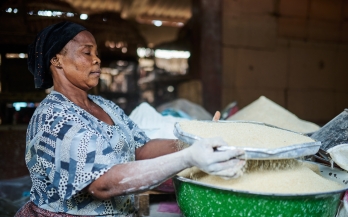
In May 2023, every Member State at the World Health Assembly resolved to accelerate safe and effective foodfortification. Nourishing Progress highlights meaningful progress, growing momentum and emerging opportunities since the resolution's adoption, and the growing coalition of governments, industry, patient associations, and health professionals driving this agenda forward. Anchored in a landmark Lancet Global Health analysis modeling the current and potential impact of large-scale food fortification programs, the report celebrates the progress made since the 2023 WHA resolution and outlines the growing global momentum towards transformative impact.
- 24/04/2026
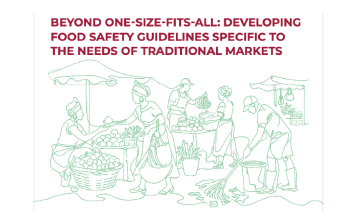
Ensuring access to safe food is one of the core goals of food systems, yet millions of people worldwide get sick from unsafe food every year. This case study examines the development and adoption of international guidelines for food safety – specific to the traditional markets where many lower-income-country consumers buy their
food. It shows how considering the needs and challenges of specific contexts when formulating guidelines or more formal policies can make for a more equitable enabling environment for food system transformation.
- 24/04/2026
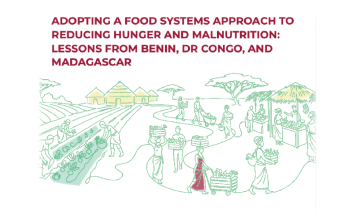
Adopting food-related policies, governance approaches, and action plans that cut across sectors is key to food systems transformation – but how to do so is not always clear.
This case study examines how policy stakeholders in three African countries were able to adopt food systems thinking, adapt their governance approaches to enable cross-sectoral food systems approaches, and start to move towards action.
- 24/04/2026
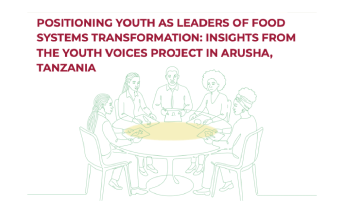
Young people are an influential force in food systems, particularly in low- and middle-income countries, yet their perspectives remain underrepresented in policy and decision-making.
This case study explores how youth leadership programmes can strengthen young people’s understanding of food systems, develop their leadership and communication skills, and enable them to engage meaningfully with stakeholders across multiple levels. It illustrates how experiential learning, peer collaboration, and opportunities for collective action allow youth to influence decision-making, advocate for inclusive reforms, and contribute to sustainable transformation.
The study highlights how positioning young people as active participants in food systems can gain traction and considers how such approaches could be scaled and institutionalised to ensure that youth perspectives are systematically integrated into food system initiatives.
- 24/04/2026
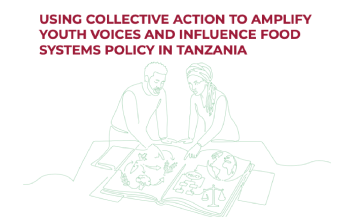
Young people represent a critical yet underutilised force in transforming food systems. This case study examines how youth-led collective action campaigns can serve as a mechanism to amplify youth voices and influence food system
transformation. It shows how young people can engage with decision-makers at both local and national levels to shape agendas, embed inclusivity, and create opportunities for meaningful participation in policy processes. This case underscores how collective action can reposition young people as active agents of change in food system policy and offers insights on how policymakers and stakeholders can support the integration of youth perspectives into formal decision-making structures.
- 24/04/2026
The workplace can be an important environment to influence nutrition and food choices. This case study examines the potential to use workplaces and employers as leverage points for improving nutrition and fostering larger food system shifts by considering efforts made by individual employers in Bangladesh and how these have been expanded and supported under government leadership through the National Workforce Nutrition Alliance. It shows how a novel concept can gain traction and explores how it could potentially be institutionalised in policy.
- 02/04/2026
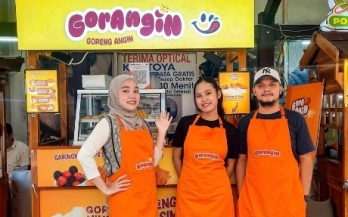
In Indonesia, over 98% of households have food budgets sufficient to purchase a healthy diet, yet most allocate a substantial share of their spending to discretionary foods such as fried snacks and sugary drinks. The challenge is therefore not one of financial access to healthy food, but of how existing food budgets are allocated. This paper documents a proof-of-concept pilot in Jakarta that tested whether Indonesia's ubiquitous deep-fried street snacks, gorengan, could be transformed into healthier air-fried alternatives, examining both consumer acceptance and business model viability.
- 30/03/2026
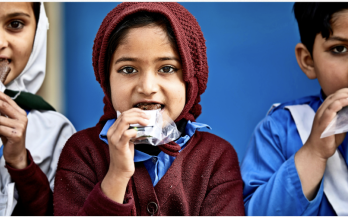
Pakistan produces a wide variety of fruits, yet a significant share is lost due to limited processing capacity, weak value chains, and low value addition. At the same time, many consumers especially children and low-income households lack access to affordable, nutritious snack options. To respond to this challenge, the Nutritious Fruit Bars Initiative was launched in 2024 through a partnership between GAIN, Arla Foods Ingredients (AFI), Pakistan Business Council (PBC), local SMEs, and public-sector stakeholders. The project aimed to convert surplus fruits into nutritious, protein-enriched fruit bars, strengthen local food processors, and demonstrate a sustainable business case that improves nutrition while creating economic opportunities across the value chain.
- 30/03/2026
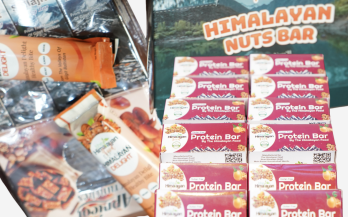
The Himalayan Foods is a private venture founded by young agriculture graduates from the heart of the Himalayan mountain region. They are driven by a vision to showcase the natural richness of Northern Pakistan through premium, nutritious food products. Rooted in Skardu’s unique agricultural landscape, the company combines traditional knowledge with modern food processing practices to create high-quality, healthy products for an increasingly nutrition-conscious consumer market. Committed to meeting the growing demand for nutritious snacks, The Himalayan Foods produces a range of value-added products including nut-based snack bars under the Himalayan Nut Bar line and organic granola blends marketed as Himalayan Delight. These products are developed using natural and organic ingredients, emphasizing health, wellness, and minimal processing while maintaining international food safety and quality standards. Through its integrated approach linking farmers, sustainable production, and nutrition-focused innovation; The Himalayan Foods represents a new generation of Pakistani SMEs demonstrating how local enterprises can drive economic growth, environmental stewardship, and improved nutrition outcomes simultaneously.