- 24/08/2026
This paper assesses the potential of jack bean as a viable diversification strategy within Indonesia’s soybean-dependent tempeh industry. Such a change could address structural challenges including dependence on imported soybeans, exposure to global price fluctuations, and supply chain vulnerabilities. As a locally sourced, nutritionally competitive, and climate-resilient crop, jack bean offers an alternative protein source that could strengthen Indonesia’s food security and sovereignty. Given Indonesia’s large tempeh market, capturing even a small share represents a significant commercial opportunity.
- 07/08/2026
Crowdsourcing, i.e., leveraging digital platforms to mobilise distributed contributors for
data collection, harnessing the collective power of large, distributed networks of people to accomplish such tasks through open calls has gained traction in recent years, yet practical guidance for implementation in low- and middle-income countries (LMICs)
remains limited. This paper examines lessons from three food systems research case
studies conducted by the Global Alliance for Improved Nutrition in Indonesia and Kenya
between 2019-2024, analysing what worked, what didn't, and why.
- 06/07/2026
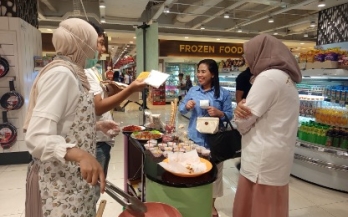
Despite decades of nutrition campaigns, more than 95% of Indonesians consume insufficient fruits and vegetables, and high-risk food consumption continues to rise.
Current approaches (supply-side intervention, SBCC and other relevant health and nutrition campaigns) are insufficient because they overlook the cultural values, shared identities, and social norms that drive food preferences, not just individual knowledge or choice.
- 16/06/2026
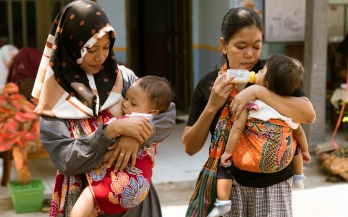
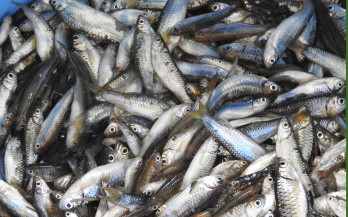
This practical guideline provides step-by-step technical guidance for implementing small fish restocking initiatives to improve nutrition, strengthen local food systems, and support sustainable fisheries
- 02/04/2026
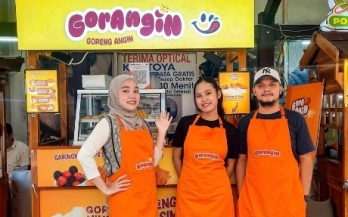
In Indonesia, over 98% of households have food budgets sufficient to purchase a healthy diet, yet most allocate a substantial share of their spending to discretionary foods such as fried snacks and sugary drinks. The challenge is therefore not one of financial access to healthy food, but of how existing food budgets are allocated. This paper documents a proof-of-concept pilot in Jakarta that tested whether Indonesia's ubiquitous deep-fried street snacks, gorengan, could be transformed into healthier air-fried alternatives, examining both consumer acceptance and business model viability.
- 13/02/2026
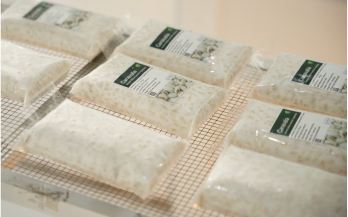
Tempeh is a popular traditional plant-based protein that plays a vital role in Indonesian diets. Indonesia’s reliance on imported soybeans (2.6 million tons/year) for tempeh production, however, creates market instability and food vulnerabilities, particularly regarding cost and supply fluctuations. This paper analyses the technical, economic, and market feasibility of alternative legumes—specifically, jack beans, mung beans, and peanuts—as sustainable substitutes for soybeans in tempeh production. The aim is to identify the most viable option for immediate scale-up to support local food systems and improve nutritional outcomes.
- 06/02/2026
Fish offer a potentially sustainable solution to food security and nutrition challenges in Indonesia. Despite abundant aquatic resources, per capita fish consumption remains lower than in neighbouring countries. Factors such as overfishing, pollution, and unsustainable aquaculture practices limit growth, while climate change poses additional threats to fish stocks.
- 02/10/2025
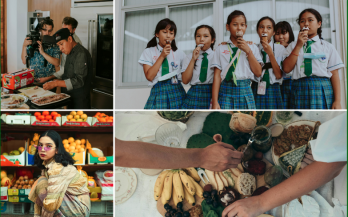
Food culture refers to a shared value system, norms, symbols, and perceptions. Yet within the food and nutrition sector, it is often reduced to traditional foods, dishes, or cuisines—a narrow view that constrains how food culture could be leveraged to shape future food preferences and habits. This working paper reviews Indonesian food culture broadly, seeking to understand and appreciate the country’s diverse cuisine. The paper draws on data from governmental reports, academic papers, media reports, social media analysis, and expert interviews.
- 16/06/2025
Indonesia’s 2025 update of its Food Security and Vulnerability Atlas (FSVA) marks a transformative leap in the nation’s
commitment to building a resilient, data-driven food system. While the FSVA has been updated annually in previous years, the 2025 edition introduces major innovations, including the use of village-level data for over 83,000 villages, expanded sub-district analysis, and the integration of new composite indicators and predictive modeling. These advances enable the more precise identification of food-insecure areas, supporting targeted actions aligned with national priorities, such as reducing stunting, alleviating poverty, and promoting rural development. With these enhancements, FSVA 2025 strengthens Indonesia’s capacity to deliver evidence-based, locally tailored
interventions across all levels of government.
- 09/06/2025
The Nutrition for Growth (N4G) Summit 2025 is set to be a defining global event, providing a vital platform for countries to reaffirm and strengthen their commitments toward ending all forms of malnutrition. This summit holds global significance as it seeks to accelerate progress toward the Sustainable Development Goals (SDGs), particularly goals related to nutrition, health, and sustainable food systems. For Indonesia, the 2025 Summit represents an opportunity to build upon and deepen its commitments from previous summits, specifically targeting persistent challenges such as stunting, wasting, obesity, and anemia, while reinforcing systemic integration of nutrition within broader health and social protection frameworks.