Programmes and Partnerships
GAIN Bangladesh works with government, businesses, civil society, academia and young people to improve access to safe, nutritious and affordable foods.
A portfolio built around food systems transformation
GAIN Bangladesh works across food systems to improve access to safe, nutritious and affordable foods. Our programmes connect evidence, policy, markets, climate action, youth leadership and community-level delivery.
Integrated action from policy to communities
The portfolio brings together national policy support, private sector engagement, food fortification, workforce nutrition, youth-led action, resilient agriculture, climate adaptation and data systems.
Youth and communities
Programmes engage adolescents, youth networks, nutrition clubs, farmers, workers and local actors.
Policy and evidence
Work includes national pathways, monitoring frameworks, foresight tools and food systems dashboards.
Resilient agriculture
GAIN supports climate-smart, diversified and nutrition-sensitive agriculture, including lentils and minor crops.
Business and workplaces
Programmes engage SMEs, private industry and workplaces to improve access to nutritious foods.
Youth and Adolescent Nutrition
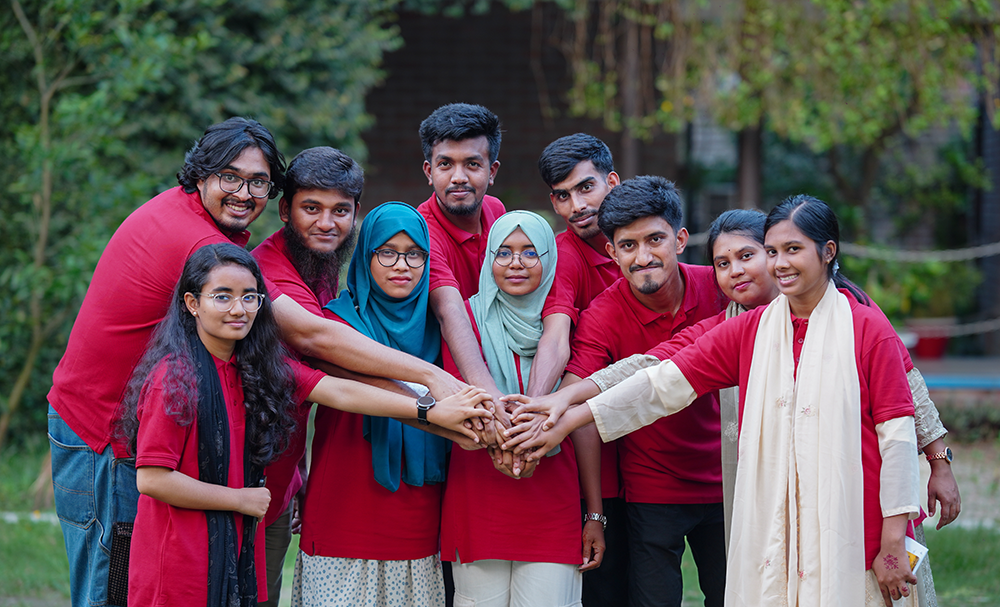
GAIN works with adolescents aged 10–25 years to understand food consumption behaviours and design youth-led programmes that meet their needs.
In 2018, GAIN launched Bhalo Khabo Bhalo Thakbo, an initiative promoting the consumption of nutritious foods among adolescents in Bangladesh.
GAIN also facilitates youth-led initiatives through SUN Youth Network, Act4Food, LCOY, Young Negotiator Programme, Bangladesh Youth Mock Parliament, Nutrition Clubs and Nutrition Olympiad.
Policy Influencing
GAIN Bangladesh works with government, UN agencies, development partners, academia and civil society to integrate nutrition-sensitive approaches into national strategies. This includes supporting the National Pathway Document, its Plan of Action, monitoring frameworks, policy tools and inclusive dialogues to strengthen policy coherence and advance resilient, equitable food systems.
Foresight for Food Systems Transformation Programme
The Foresight for Food Systems Transformation (FoSTr) programme in Bangladesh is a long-term, evidence-based initiative aimed at transforming the country's food systems implemented by GAIN Bangladesh. It integrated national foresight process to develop the Plan of Action document. It applied foresight tools like scenario analysis and stakeholder mapping to anticipate future challenges and opportunities. This future-oriented perspective provides policymakers to design resilient and adaptive policies that address both current and emerging risks.
Food Fortification
GAIN Bangladesh works with government, private sector, academia and civil society to boost the production of fortified staple foods, including edible oil, salt, rice and wheat flour.
Through digitalisation, the programme supports stronger accountability and more streamlined processes. A key part of this work is the biofortification of rice with zinc, helping improve access to essential micronutrients such as vitamin A, iodine, folate and zinc.
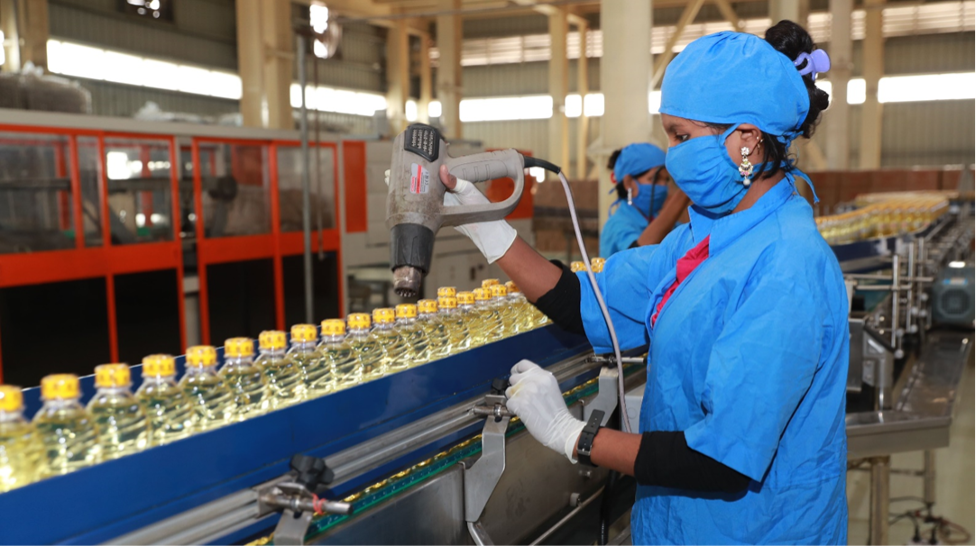
The Scaling Up Nutrition (SUN) Business Network (SBN) in Bangladesh is chaired by the Ministry of Industries and is co-convened by GAIN and the World Food Programme. SBN facilitates partnerships with finance and technical service providers and supports business development. It also provides a forum for dialogue with government, civil society, and other stakeholders to encourage responsible business action in support of national nutrition priorities. This national business platform will identify business support needs for greater actions on nutrition. Recently, the SBN team convened close to 100 agri-food SMEs to give them a platform to voice their opinion in the formulation of the New Five Year (2025-30) SME Policy which is currently being drafted by the Ministry of Industries. The policy consultancynworkshops were organized in collaboration with the Small Medium Enterprise (SME) Foundation. Additionally, our work was also supported by the Bangladesh Food Safety Authority (BFSA), Bangladesh Small Cottage Industries Corporation (BSCIC), and Bangladesh Restaurant Owners Association (BROA).
Youth-led Agricultural Service Providers (YASP)
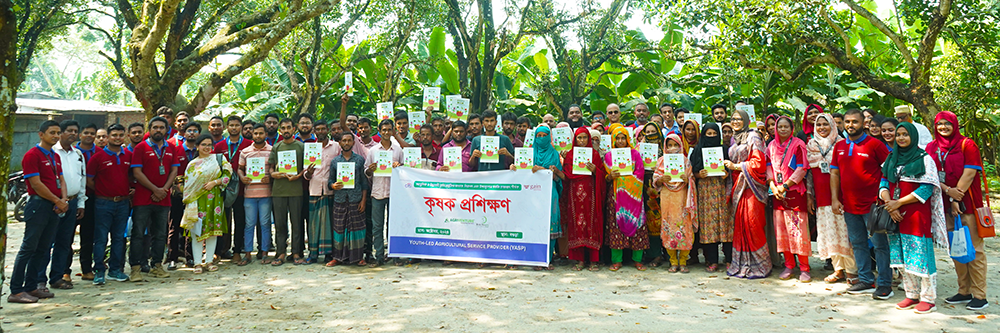
The Youth-led Agricultural Service Providers (YASP) project, led by GAIN and funded by the Citi Foundation GIC 2023, aims to improve access to safe, nutritious and affordable food in low-income communities across Bangladesh.
Implemented with two agri-tech startups, the project empowers young farmers and agri-entrepreneurs aged 18–35 and addresses challenges such as limited market access and lack of entrepreneurial support.
By December 2025, YASP aims to create 150 new jobs and equip at least 50% women among the 6,000 people trained in entrepreneurship and financial literacy.
The project also promotes climate-resilient minor crops such as Cheena, Kaun and Sorghum in the northern region of Bangladesh.
Workforce Nutrition
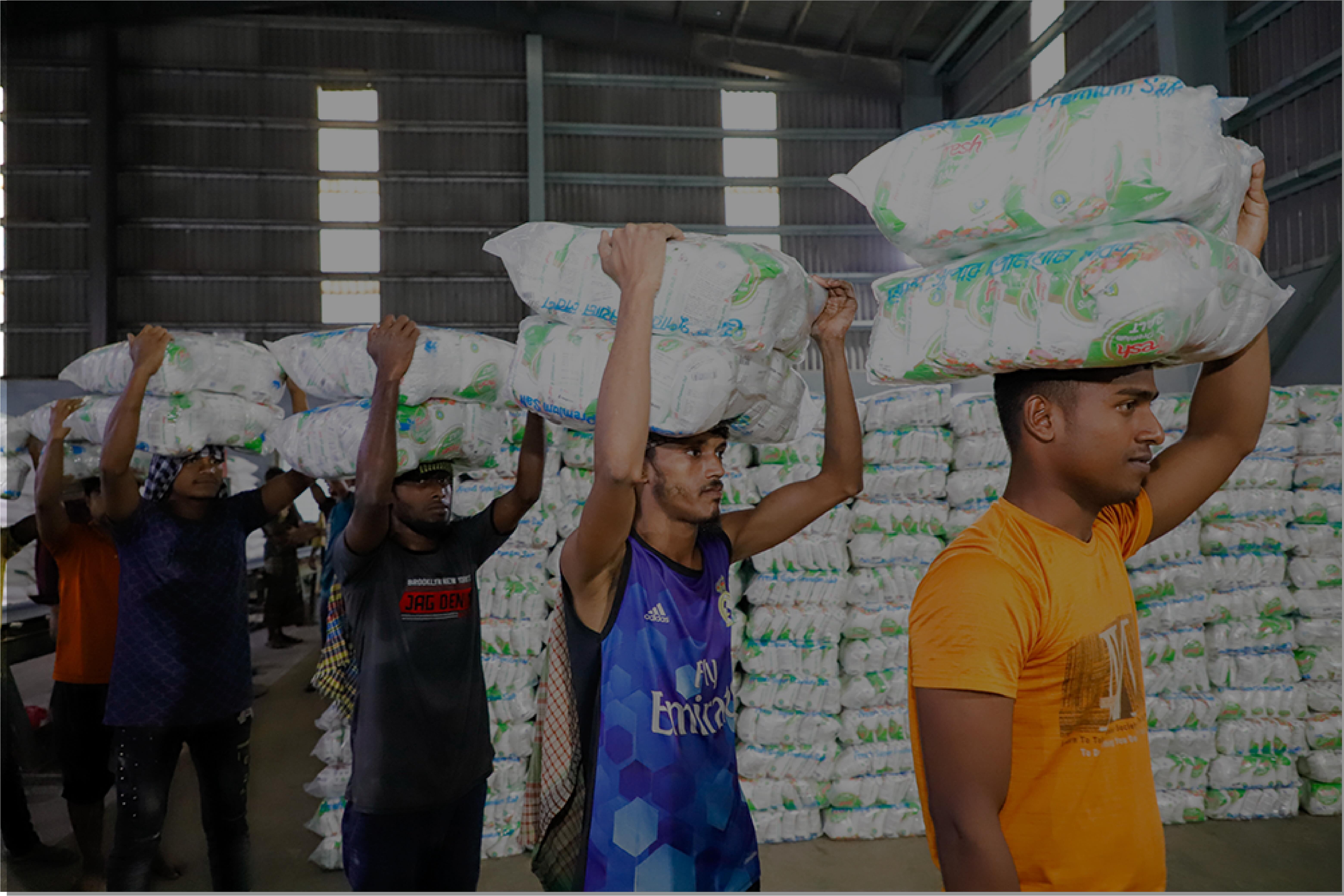
For over a decade, GAIN has been working in Bangladesh to improve workers’ diets, wellbeing and productivity across sectors including garments, agro-food, leather, hatcheries, tea gardens and other industries.
In partnership with government and businesses, GAIN promotes access to safe and affordable nutritious food through Fair Price Shops in workplaces and communities.
The programme also strengthens nutrition knowledge to encourage healthier dietary behaviour. Through Nutrition Improvement Committees and Peer Educators, GAIN engages both workers and management to foster healthier working environments.
Multiple Micronutrient Supplementation (MMS) Project
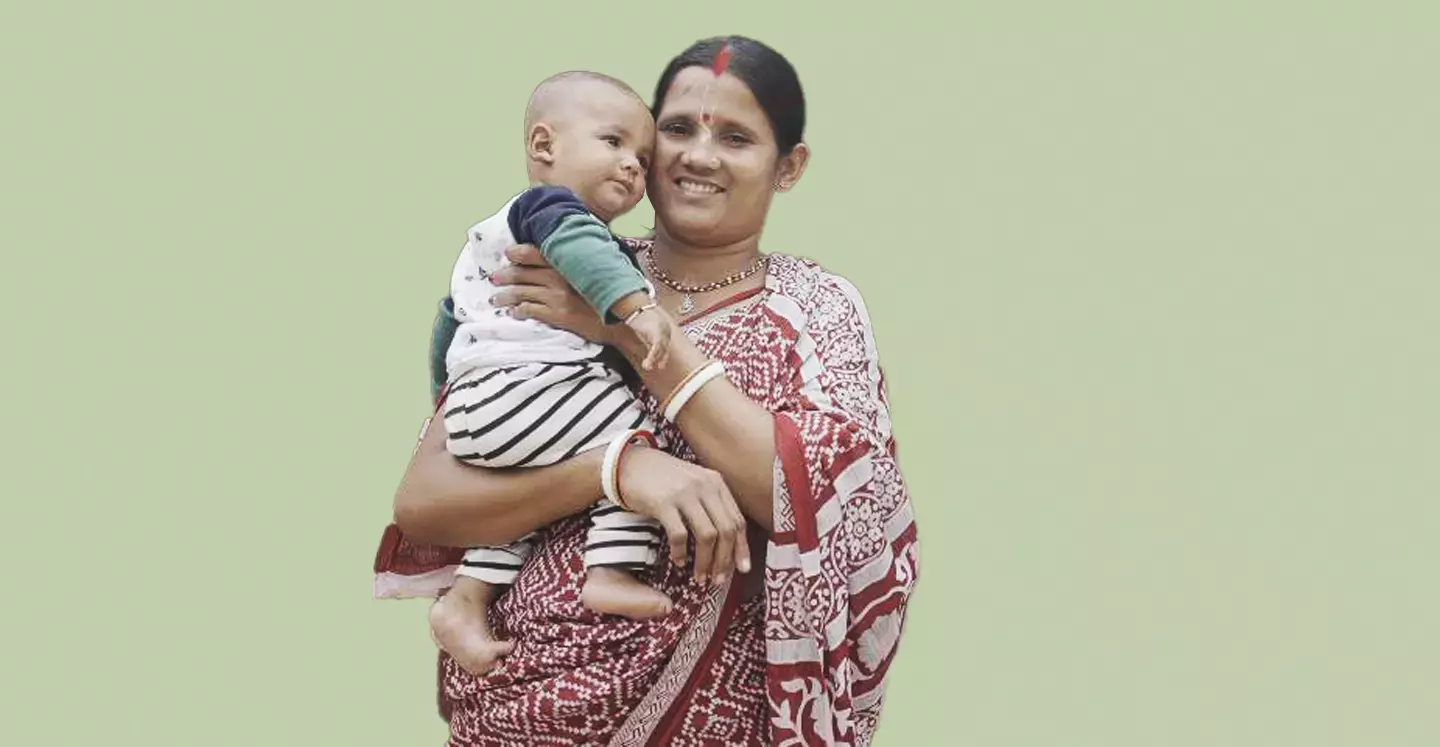
GAIN Bangladesh, in partnership with Social Marketing Company (SMC) and Sight and Life (SAL), is implementing the CIFF-supported project ‘One MMS a Day and a Healthy Baby is on the Way.’
The initiative aims to establish a sustainable business model for Multiple Micronutrient Supplements for pregnant women through pharmacy networks and private antenatal care platforms across Bangladesh.
GAIN has played a key role in establishing the National Technical Committee under the leadership of the National Nutrition Service, supporting strategic direction and policy advocacy for MMS implementation.
Through this project, Bangladesh became the first LMIC to locally produce a UNIMMAP-formulated MMS brand.
Nutrition Sensitive Social Protection
The Social Protection programme at GAIN works across several countries to promote and safeguard accessibility of nutrition-sensitive social protection benefits among the most vulnerable members of the population. The programme takes a distinctly community-orientated and human-centred approach to social protection, placing primary emphasis on leveraging social protection to improve nutrition—especially among women and girls—through empowerment, resilience, and human capital development.
In Bangladesh, GAIN’s social protection work focuses on enhancing the coherence, quality, and sustainability of nutrition SBCC in social protection programmes targeting the most vulnerable households, particularly women and girls. Our work aims to strengthen the Social and Behaviour Change Communication (SBCC) delivery system within social protection programming. Building upon a completed landscape analysis, entry-point assessment, and stakeholder consultations, the initiative is establishing a Technical Advisory Group to guide its efforts. Forthcoming activities include piloting SBCC delivery strengthening in a specific social protection scheme, developing an SBCC strategy for nutrition-sensitive programming, and generating evidence on effective SBCC tactics within food systems
Diversified Resilient Agriculture for Improved Food Nutrition Security (RAINS)
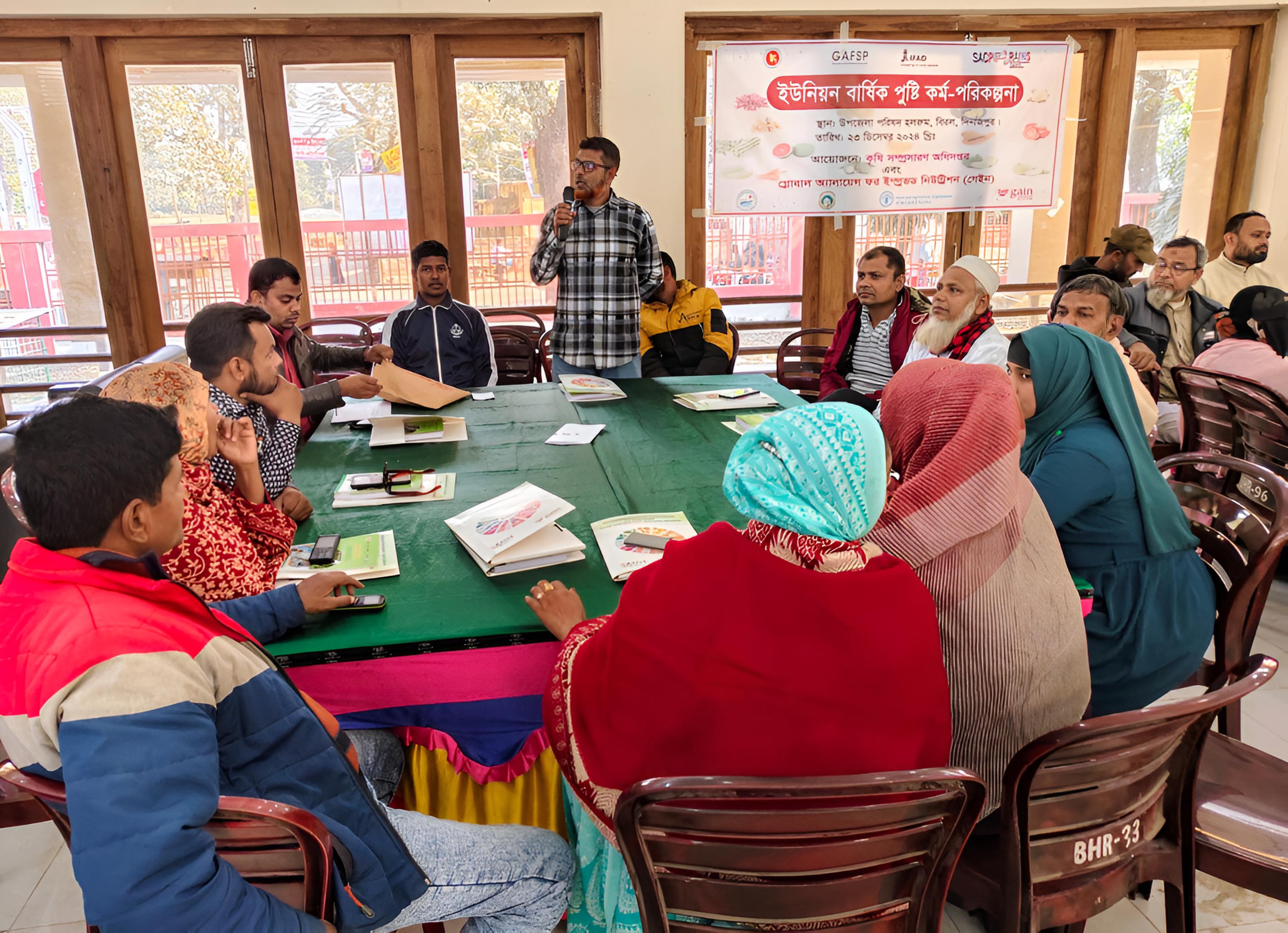
The RAINS project contributes to the transformation of agriculture in Bangladesh by promoting sustainable, diversified, climate-smart, nutrition-sensitive and market-competitive food systems.
Through RAINS, GAIN supports multistakeholder platforms to identify and demand community-level nutrition-sensitive interventions through a multisectoral nutrition governance approach.
The project has provided training of trainers to frontline field staff on nutrition and occupational health hazards faced by farmers.
RAINS has also organised campaigns engaging women and youth and developed SBCC materials to raise awareness and promote healthier, more resilient communities.
Food Systems and Environment
GAIN is implementing the BARI Lentil 8 Project to increase the production and consumption of nutrient-rich, eco-friendly BARI Lentil 8 across four key districts in Bangladesh: Faridpur, Rajshahi, Pabna, and Jessore. This initiative aims to strengthen the lentil value chain through collaborative efforts with both public and private sector partners. To ensure the availability of high- quality BARI Lentil 8 seeds, GAIN partners with the Bangladesh Agricultural Development Corporation (BADC) to address post-harvest losses, Bangladesh Agricultural University (BAU) supports the project by constructing hermetic silos (airtight storage containers) that protect grains from moisture and insect infestation, thereby preserving quality and reducing waste. The Department of Agricultural Extension (DAE) is now promoting the adoption of hermetic silos by conducting training sessions and awareness campaigns aimed at commercialization. To expand market access and reach end consumers, GAIN collaborates with the BMC Group to distribute BARI Lentil 8 nationwide through various channels, including fresh markets, online shops,supermarkets, retail outlets, and fair price shops of different garment factories.
In addition, GAIN Bangladesh signed a MoU with the Ministry of Environment, Forest and Climate Change (MoEFCC) to support the implementation of the National Adaptation Plan (NAP). This partnership focuses on building the capacity of relevant officials and identifying implementation opportunities within the NAP from a food systems perspective. Under this MoU, GAIN successfully organises NAP capacity-building workshops across six divisions—Khulna, Barisal, Mymensingh, Sylhet, Rangpur, and Rajshahi and is currently preparing for a dissemination workshop with key stakeholders.
Climate Action at Local Level (CALL)
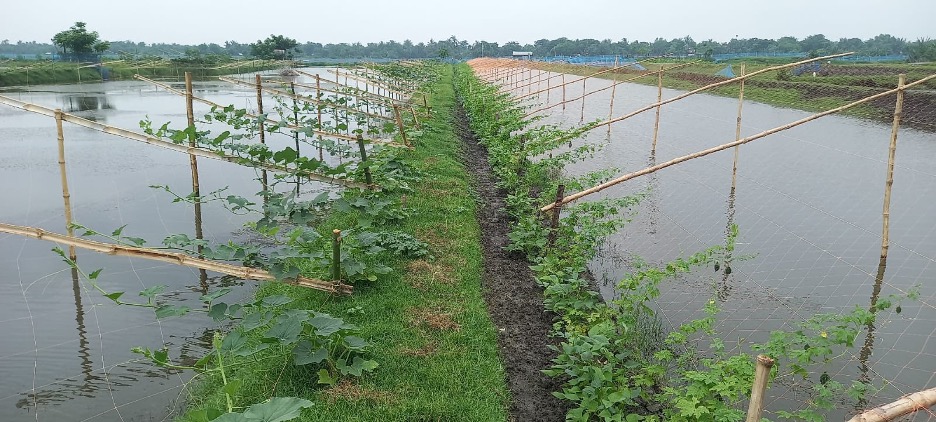
Climate Actions at Local Level (CALL) – a 9-Swiss NGO consortium initiative related to climate and environmental risk reduction that have been impacting on food systems, livelihoods, health and nutrition of the community people. The CALL project is aimed at Local Climate Actions (LCA), led by communities and Local Actors (LAs) facilitated by CALL and local partners – contributing to a climate-smart and disaster- resilient Bangladesh. It aims to serve as a model of local climate action for broader uptake by supporting communities in developing context-specific actions to adapt
and mitigate climate change impact via an inclusive and cross-cutting Human Rights Based Approach (HRBA). GAIN has been implementing the CALL in the 4- hotspot zones of Bangladesh - a) Coastal zone, b) Barind and drought-prone areas, c) River systems and estuaries and d) Urban areas with the food system and climate change adaptation following localisation approach in association with government extension agencies, private sectors, civil societies, communities and research institutes.
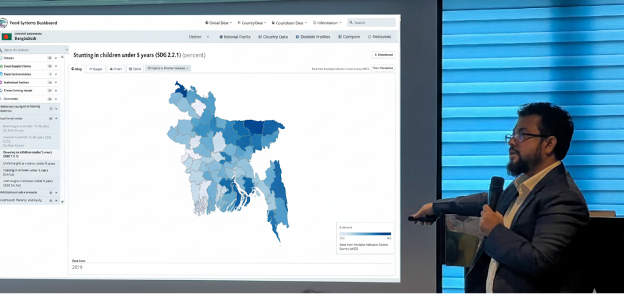
The Bangladesh Food Systems Dashboard (BDFSD) is a transformative initiative aimed at enhancing food systems in Bangladesh. Developed by the Food planning and monitoring unit of Ministry of Food, the Bangladesh Bureau of Statistics (BBS), and the Global Alliance for Improved Nutrition (GAIN), in collaboration with various national and international partners, the BDFSD serves as a centralized platform for visualizing and understanding critical data related to food production, marketing, consumption, and accessibility. Using this tool, stakeholders and policymakers may make evidence-based decisions that enhance equity, sustainability, and health in the food systems. The BDFSD is positioned to have a major impact on food systems planning and coordination at the local, national, and international levels because to features including BBS-authenticated data, multistakeholder interaction, and an emphasis on important national indicators.