Healthier diets.
FOR bangladesh
GAIN is working with government, business, and communities to make nutritious, safe, and affordable food accessible to everyone in Bangladesh.
From fortified staples to youth nutrition and workforce wellbeing, our programmes create lasting change for millions
Together with local and global partners, GAIN is advancing a sustainable and inclusive food system.
By 2027, we aim to reach millions across Bangladesh with better diets and stronger nutrition systems that support every community.
GAIN has been working in Bangladesh for over a decade, partnering with government, private sector, and civil society to make nutritious, safe, and affordable food available to everyone. Our efforts align with national goals for sustainable development and food system resilience.
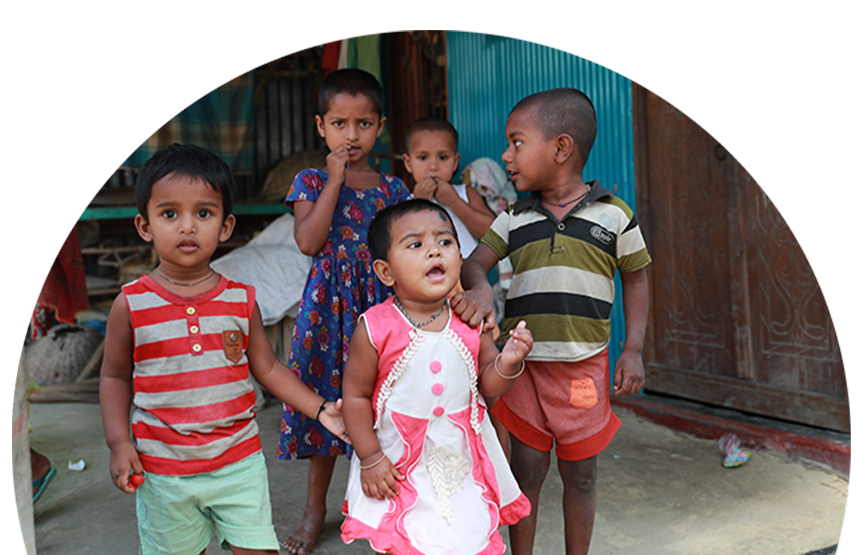
Bangladesh has achieved significant progress in the demographic, health, and nutritional status of its population in the past two decades. The Bangladesh Health and Demographic Survey 2022 indicates that:
The prevalence of stunting has declined from 31% in 2017-18 to 24% in 2022. The proportion of underweight children has remained unchanged between 2017-18 and 2022. From 2017-18, the prevalence of wasting increased from 8% to 11% in 2022.
Zinc deficiencies
Iron deficiencies
Anaemia remains a major public health concern
Vitamin A
Deficiencies
Vitamin B12
Deficiencies
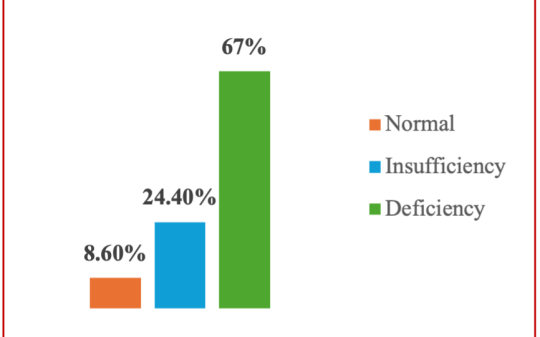
Vitamin D
Deficiencies
Addressing the triple burden of malnutrition (undernutrition, obesity and micronutrient deficiencies), the Government of Bangladesh has been emphasising food systems transformation, including the promotion of healthy diets, nutrition programmes, food safety regulations and fortified foods (both crop biofortification and industrial fortification) through different policies.
In Bangladesh access to healthy diets is critical for achieving the 2030 Sustainable Development Agenda. To achieve nutrition outcomes, Social Behaviour Change Communication (SBCC) has been integrated across nutrition-specific and nutrition-sensitive interventions, including greater focus on promotion of breastfeeding and increased consumption of affordable diversified diets. Investment in programmes and approaches to promote optimal dietary patterns and nutrient intake and enhance demand for healthy and sustainable diets are central to achieving SDGs 2, 3, 12 and 13.
Disbursing the committed fund to adapt to the climate-led extreme events, including sharing of technologies to achieve sustainable food security.

The Global Alliance for Improved Nutrition (GAIN) is a Swiss-based foundation launched at the United Nations in 2002 to tackle the human suffering caused by malnutrition. Due to COVID19, conflict in Ukraine, and climate change, malnutrition and hunger have worsened significantly since 2019, reversing a decade of progress. There is growing recognition that our food systems need to change if we are to reverse these trends.
Bangladesh is one of the countries impacted by malnutrition. GAIN’s Strategy aims to transform food systems to make healthier diets from sustainable food systems accessible to all people and especially those who are most vulnerable to shocks. By 2027, we aim to improve the access of 1.5 billion people to nutritionally enhanced staple foods, improve the access of 25 million people to healthier diets, and support positive food system change in 10 countries.
This is bold and complex, and the only way to achieve this is to work together with partners including governments, businesses, and civil society at the country and global level. These goals, and the ways of achieving them, build on our twenty-year legacy of transforming people’s lives with improved nutrition through concerted action and effective policy change.
In Bangladesh, GAIN has been working for more than 12 years in partnership with various stakeholders including different ministries of government, development partners, UN agencies, private sectors, civil society organizations, and academia. Our work with the government and the private sector invests in sustainable and innovative ventures that tackle the national burden of malnutrition.
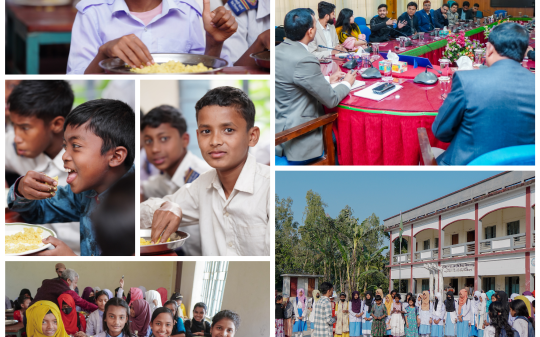
GAIN Bangladesh works across a diverse portfolio of programmes focused on strengthening food systems and improving nutrition outcomes. This includes work in food fortification, agriculture, market systems, maternal and adolescent nutrition, private sector engagement, youth empowerment, and climate resilience.
Together, these programmes form an integrated approach designed to reinforce impact across the food system — from production to consumption and policy. Gender and environmental sustainability are embedded across all areas of work, ensuring long-term resilience and impact
Hover and click on the box to learn more.
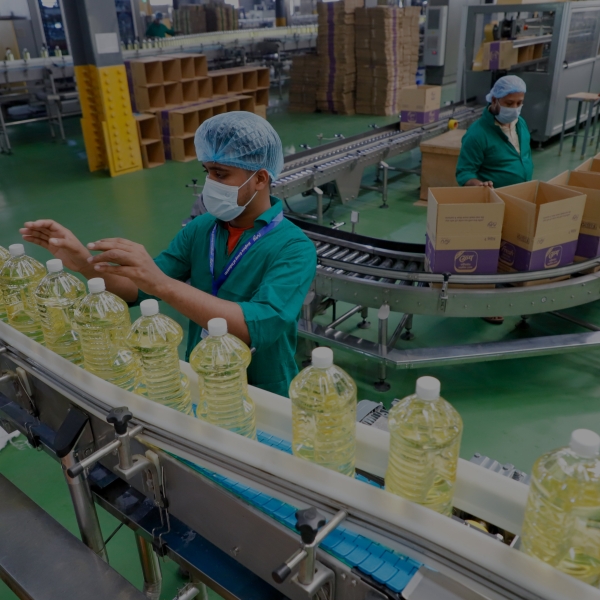
Large-scale food fortification (LSFF) Bangladesh is a key part of the response to the crisis of malnutrition, adding one or more essential nutrients to widely and regularly consumed foods during processing focusing on oil, rice, and salt fortification.
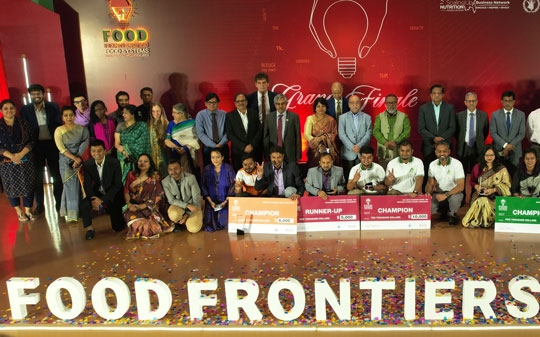
The Scaling Up Nutrition (SUN) Business Network (SBN) in Bangladesh is chaired by the Ministry of Industries and is co-convened by GAIN and the World Food Programm
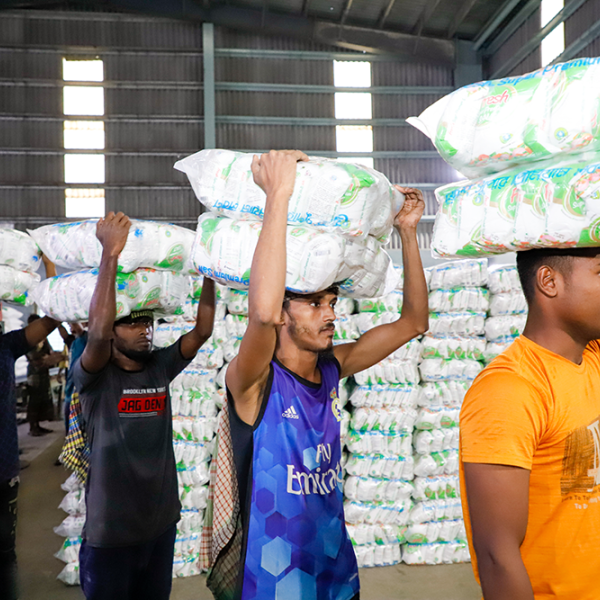
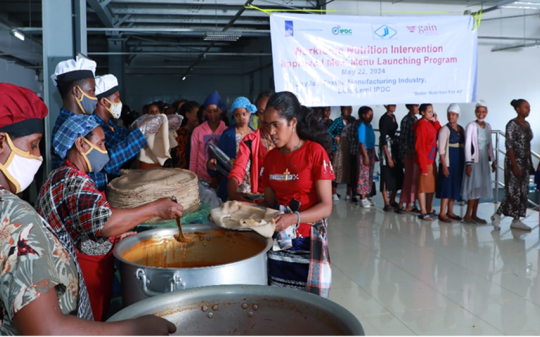
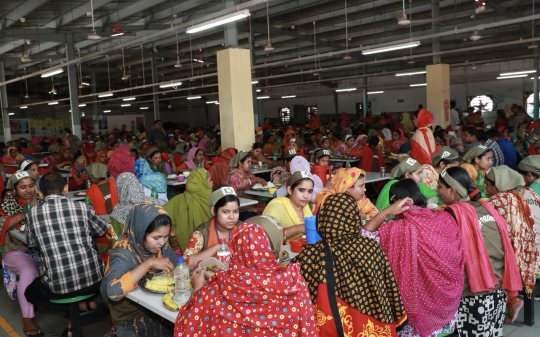
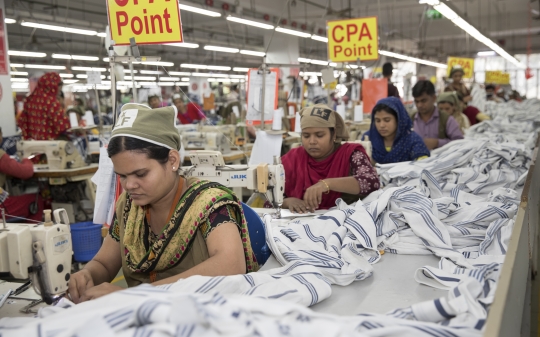
GAIN’s Workforce Nutrition programme aims to improve the nutrition of workers and farmers in low- and middle-income countries and communities.
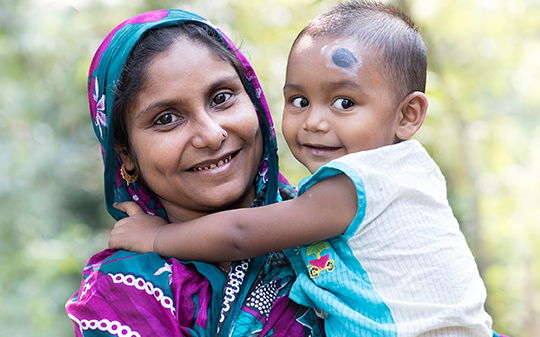
The Leadership to Ensure Adequate Nutrition (LEAN) project is a European Union-funded initiative in Bangladesh's Chittagong Hill Tracts (CHT) aimed at improving maternal and child nutrition.
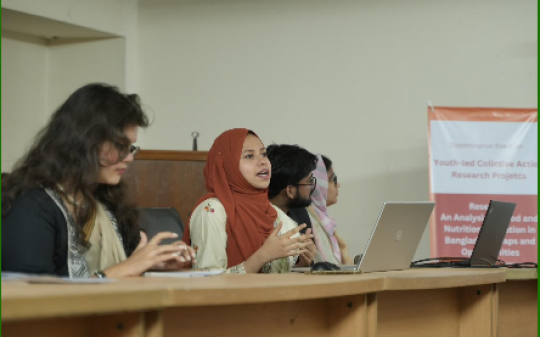
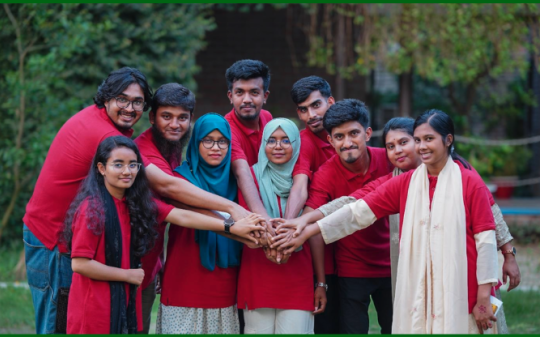
GAIN considers the specific needs and capacities of youth to foster their holistic development, empower them as agents of change, and contribute to building healthier and more sustainable food
Initiatives empowering communities and local governments to address climate change impacts through planning, implementing, and financing adaptation and mitigation strategies.
Interact with the Bangladesh Food and Nutrition Policy Chatbot. It is designed to help answer any questions you may have about Bangladesh's food-related policies.

In this podcast series powered by the Global Alliance for Improved Nutrition or GAIN, we will encounter a myriad of intersecting issues, themes, and solutions. We will hear from regular folks like farmers and mothers around the world trying to put nutritious food on the table for their families. We will also talk with food systems leaders, social entrepreneurs, thought leaders, and people like you.
Dhaka, Bangladesh
Level 4,
House no-20,
Road no-99, Gulshan-2,
Dhaka, Bangladesh
T +88-02-222280202

Country Director, Bangladesh