Ethiopia has made notable strides in improving agricultural productivity and reducing food insecurity, though ensuring healthy diets for all remains an ongoing challenge. As of 2023, 40% of children under five are stunted, a decline from 58% in 2000, highlighting both the country’s progress and the work still ahead.
The road to better food systems is complex and requires action by all partners, however, not all voices are included in multi-stakeholder decision making.
Private sector financing for impactful actions is limited in the country, slowing down innovation and scale, relying on government and stakeholder interventions that require stronger systems for long-term sustainability, and fostering an inequitable growth of markets which favour urban consumers.
Due to dietary practices informed by availability, culture and tradition, starchy staples dominate most plates. Only 14% of Ethiopian children eat an adequately diverse diet, which is among the lowest rates in sub-Saharan Africa.
In many parts of the country, communities practice numerous religious fasts throughout the year, impacting what and how people eat. Increased consumption of unhealthy processed foods is shifting diets and driving a growing prevalence of non-communicable diseases.
As a result of these inter-related factors, Ethiopians are affected by multiple forms of malnutrition:
Children under 5
0% underweight
0% wasting
0% overweight
0% suffer from Anemia
0% Have a Vitamin A deficiency
Around0% Zinc and Iodine deficient
Women of Childbearing age
0% underweight
0% overweight
0% have a vitamin D deficiency
0% have some form of a micronutrient deficiency
0% are anemic
More than ever, there is an urgent need to act. The cost of a healthy diet continues to rise in Ethiopia– making it unattainable for more than half of the population (State of Food and Nutrition 2025). Ongoing conflicts disrupt the food system from delivering healthy foods, and halts development. Climate change through soil erosion, land degradation, deforestation, ecosystem and biodiversity losses has demonstrably impacted production, further disrupting cost and availability.
Charting the future
The Government of Ethiopia has been working towards food system transformation through various strategies and policies being implemented in collaboration with development partners, the private sector and civil society.
In 2015, with the Seqota Declaration, the Ethiopian Government committed to end stunting in children under two by 2030. The three-phased muti-sectoral programme made use of nutrition-sensitive and nutrition specific interventions to reduce malnutrition in children.
Similarly, the 2018 National Food and Nutrition Policy and Strategy aimed to increase access to adequate, nutritious food, improve food safety and quality, strengthen emergency preparedness, and promote nutrition literacy.
GAIN has had a notable role supporting the actors in Ethiopia in its journey of transforming the food system to a healthy, equitable, and sustainable one. In Ethiopia, GAIN works with partners to enhance the systemic availability, accessibility and desirability of safe and healthy foods through its programmes:
Fortification
Thriving Nutrition Enterprise
Enhancing Nutrition with Food System Data and Evidence
Enhancing Value Chains
Enabling Coherent Food Systems
Workforce Nutrition
Shifting Demand for Safer and Healthier Foods
Empowering Food Systems
Fortification
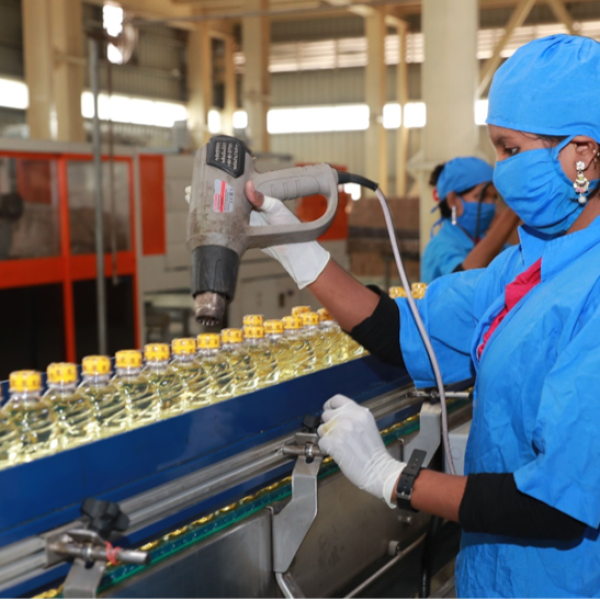
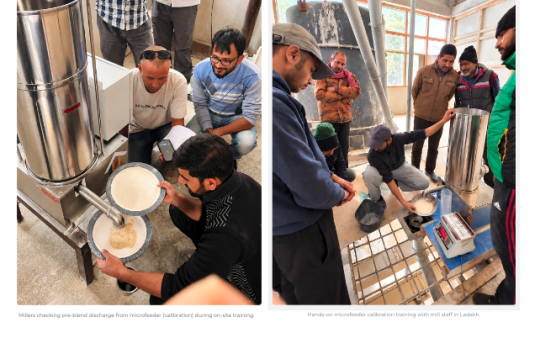
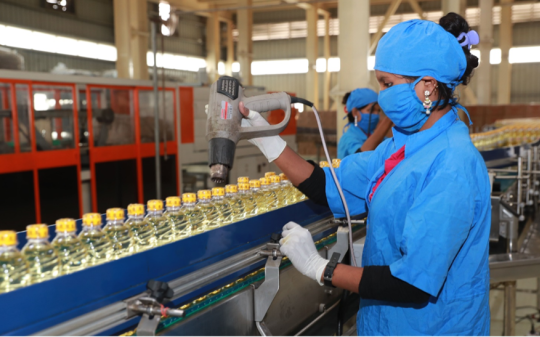
Large-Scale Food Fortification (LSFF) is adding one or more essential nutrients to widely and regularly consumed foods during processing. An impactful and cost-effective intervention that can reach millions of Ethiopians, GAIN collaborates with key partners to support fortification of edible oil and wheat in Ethiopia, combating vitamin and mineral deficiencies and protecting human health.
Following years of advocacy, GAIN has supported the government in its transition to mandatory fortification, supporting access to fortificant, strengthening private sector capacity, enhancing Quality Assurance and Control systems and building cohesion among stakeholders.
Thriving Nutrition Enterprise
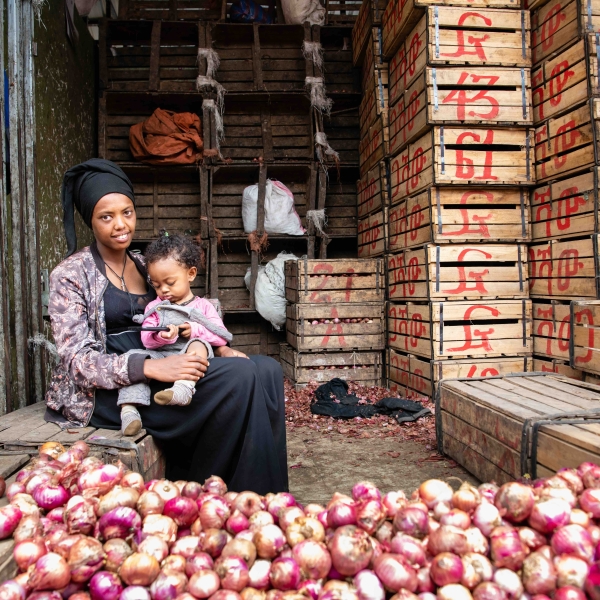
Small and Medium Enterprises (SMEs) play a pivotal role in driving food systems in Ethiopia. GAIN has been working with SMEs to overcome barriers linked to limited technical know-how, difficulty accessing financing, and challenging operating environments.
GAIN has worked with a diverse range of food system enterprises across multiple food types, value-chain stages, and scales of operation - reaching over market vendors, retailors, egg distributors, cooperatives, food processing factories and agriculture input suppliers.
Enhancing Value Chains
GAIN identifies foods with high levels of one or more nutrients that can contribute to improving dietary quality in Ethiopia. By understanding the cultural, logistic and economic constraints to higher consumption of these nutrients, GAIN collaborates with partners to design and implement integrated solutions across the value chain.
GAIN supported the design and commercialization of a dried papaya product, working across the value chain to bring together and provide technical support to farmers, TVET institutions, private sector suppliers, government actors, and agri-food processors to increase vitamin A consumption, reduce post-harvest losses, and create sustainable market linkages.
Further, we have worked within the dairy sector, strengthening the capacity of SMEs, generating demand and working with regional and federal government partners to devise mechanisms for long-term support of the sector, and standardise
We facilitate institutional market linkages that drive value chain development, connecting suppliers of fortified edible oil, dairy, and other nutritious foods to demand generated through workforce nutrition programmes, public procurement mechanisms, and school feeding programmes.
Enabling Coherent Food Systems
Coherent food systems align policies, markets, and communities to ensure that everyone has consistent access to safe, nutritious, and affordable food while sustaining livelihoods and the environment. GAIN supports governments to institutionalise processes, helping them to develop and implement more coherent food systems policies.
This improves access to healthier diets delivered through more sustainable food systems. We do this by developing tools and evidence to support the design and implementation of integrated food systems action plans and by helping to engage and build the capacities of key stakeholders. We document and share experience on best practice approaches and adopt these learnings to improve development partner collaboration.
In Ethiopia, GAIN facilitates multi-stakeholder, consultative processes to amplify underrepresented food system actors, providing technical expertise and tested tools to identify policy incoherencies, generate evidence and track food systems and capacitates public and private sectors in food systems transformation.
Workforce Nutrition
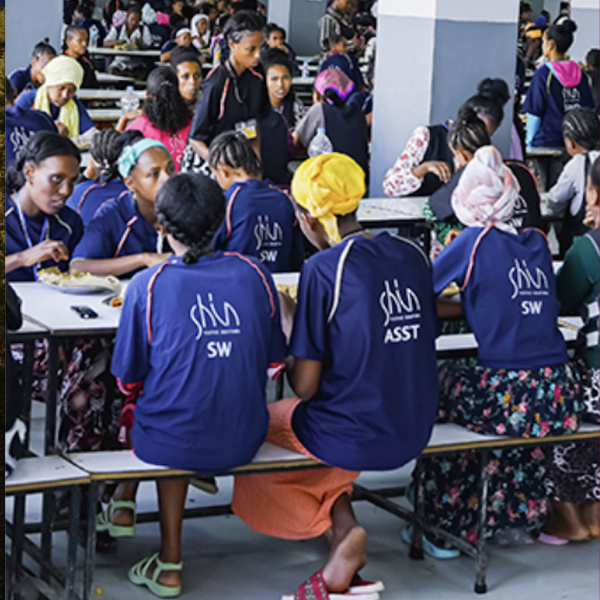
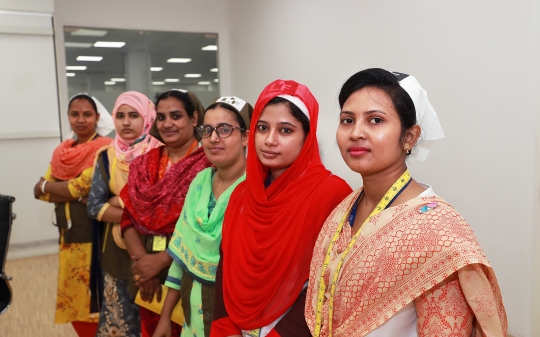
GAIN’s Workforce Nutrition programme aims to improve the nutrition of Ethiopia’s young workers and farmers. It focuses on improving access to, and demand for healthier diets through garment industries and flower farms.
GAIN works with Industrial Parks and Large Scale Farms to ensure that employees have sustained access to, and awareness of, healthy diets. In collaboration with the government partners and private sector managers, the workforce Nutrition Programme:
Supports companies design and implement healthier menus in their cafeteria
Provides Nutrition Education to employees
Enables Fair Price Shops
Social Protection for Nutritious Diets
Ethiopia’s most vulnerable members of society are those least capable of eating nutritious diets. Social protection programmes are critical for making healthy diets accessible.
GAIN integrates this approach into all its projects, ensuring the most vulnerable groups are strategically supported. We work with key stakeholders to accelerate system innovations that can make social protection investments work harder for the nutrition of the most vulnerable. Across our projects in Ethiopia, GAIN designs our projects around members of society that are most vulnerable to and most impacted by malnutrition, such as supporting consumers in the Amhara region, under the Productive Safety Net Programme , young largely female industrial park employees, mothers, children and more.
Shifting Demand for Safer and Healthier Foods
Consumers are important players in a market-based food system. GAIN works in Ethiopia to understand and influence consumer choices towards nutritious diets and safe foods.
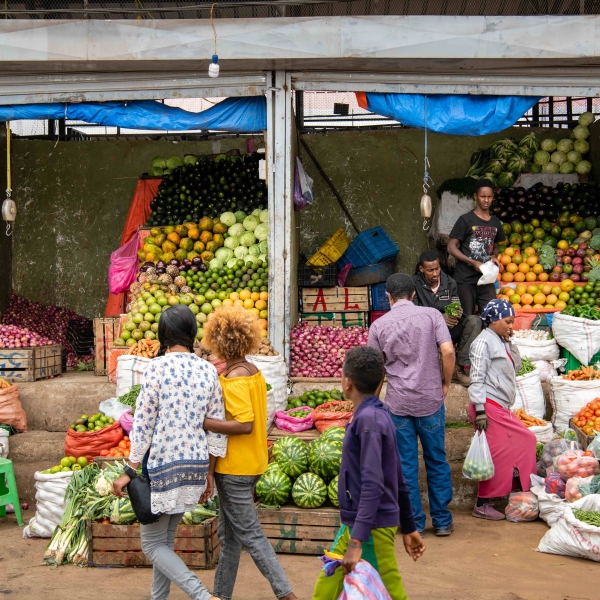
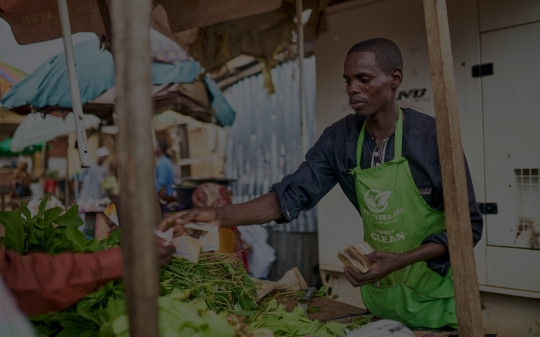
In Aroge Gebeya, Hawassa – GAIN and its partners analysed the perceptions around food safety in traditional markets among consumers for the EatSafe Project. Recognizing that consumers value freshness, but conflate quality with safety, and need support to identify and pay for safer food, designed media campaigns and education to motivate shoppers to choose safer vendors, thereby incentivizing vendors to improve practices.
In the Amhara region, religious fasting cultures, and the rising price of ASF result in low consumption of dairy, despite high rates of malnutrition. The BDFA project leveraged two key assets to encourage dairy consumption in the region. Through Ethiopian Orthodox Church, Development and Inter Church Aid Commission (EOTC-DICAC), the project encouraged dairy consumption through religious leaders among children as well as pregnant and breastfeeding moms, who are exempt from fasting. In urban communities, where price was a bigger factor, the project drew on private sector best practices – designing an emotionally compelling advertising to encourage consumers to buy as much dairy as they can afford.
Enhancing Nutrition with Food System Data & Evidence
Through our food systems data and evidence initiatives, we seek to make a substantial contribution to the broader research, programme, and policy landscape, enabling GAIN and others to address local and global challenges, foster innovation, and catalyse positive change on a global scale. GAIN is supporting the sub-national dashboard, which is being progressively developed through a collaborative effort involving government institutions, UN agencies, research bodies, and academia, and is crucial for generating localized evidence to inform targeted, data-driven decisions that improve nutrition outcomes.