The Ebye’ndiisa Expo 2026 successfully promoted vegetables and nutrition in Uganda through stakeholder engagement, exhibitor recruitment, and media strategies, attracting 171 exhibitors and over 1,400 attendees. It improved nutrition awareness, market linkages, and consumer attitudes, validated as a demand-driven platform for healthy diets, with plans to institutionalize as a recurring event supported by government and partners.
Workplace food provision represents a significant opportunity to improve diet quality among working-age adults. This working paper synthesises cross-country experience from GAIN-supported programmes in Bangladesh, Ethiopia, and Uganda on how improved workplace menus have been assessed, designed, and operationalised.
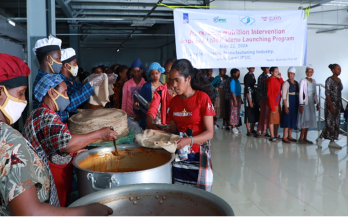
GAIN Uganda is implementing a Workplace Nutrition initiative aimed at improving employees’ access to nutritious diets and enhancing dietary diversity.
The program includes: Nutrition awareness sessions, Menu assessments and improvements and Continuous engagement with participating workplaces.
Uganda increasingly recognises the importance of addressing the intersection of climate change and nutrition, with emerging efforts demonstrating that integrated action is both possible and already underway. However, climate shocks, including droughts, floods, and pest outbreaks, continue to disrupt food production, dietary diversity, water access, and disease patterns, ultimately undermining nutrition outcomes.
The Ebyendiisa Expo 2026 is a two-day experience that brings together agriculture, nutrition, and food system actors to close the gap between food availability and real consumption.
It transforms nutrition from information into experience through food, learning, and culture.
From a loan of 150,000 Ugandan Shillings, to Changing How a Community Eats
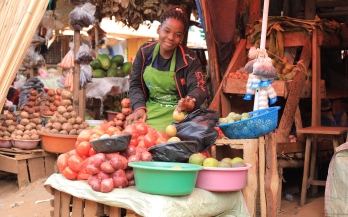
When school was no longer an option, Victoria Winyana didn't back down. Armed with a modest loan from her mother and a vision to make healthy eating effortless, she transformed a simple market stall into a hub for community well-being.
Read how this young Ugandan vendor turned a struggle for survival into a movement for nutrition, trust, and empowerment, one bundle of greens at a time.
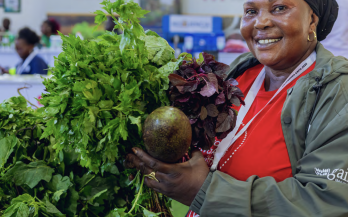
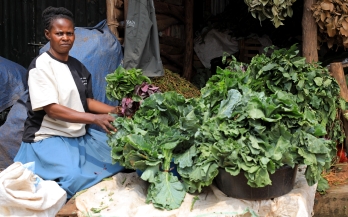
The story highlights Rose Nabasirye, a vegetable vendor in Uganda with over twenty years of experience in the informal food economy, who uses her market stall as an informal classroom to promote healthy eating. Through daily interactions, she guides customers on dietary diversity, taste, and simple recipes, helping transform vegetables into an accessible and creative part of their daily meals. Her involvement with GAIN’s Fit Foods initiative has further enhanced her stall's visibility and credibility, demonstrating how market vendors serve as essential, trusted frontline influencers in improving community nutrition outcomes.
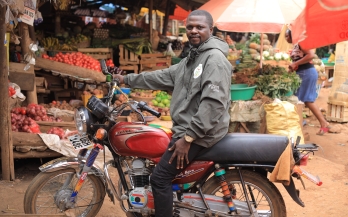
As a vital bridge in Uganda’s local food system, supplier Jamada Nduga travels across rural villages to scout fresh, safe, and chemical-free produce directly from smallholder farmers. By connecting hardworking growers with market vendors through initiatives like GAIN's Fit Foods project, Jamada ensures fair market access for farmers and reliable, high-quality inventory for sellers while playing an essential upstream role in elevating community diets, food safety, and household livelihoods—one fresh vegetable at a time.
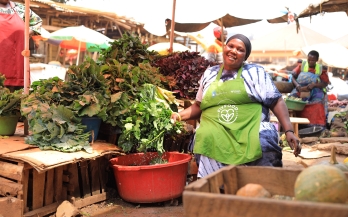
This story highlights Rehema Nakamya, a long-time vendor at Wakiso Central Daily Market in Uganda, who uses her stall as an educational platform to promote community health and nutrition through the Vegetables For All project. Over fifteen years of market changes, Rehema adapted her business to sell both traditional local greens (nakati, dodo, buga) and exotic varieties (spinach, lettuce), while actively teaching customers how to properly wash, prepare, and incorporate leafy vegetables into their daily diets. By building trust and sharing practical advice on disease prevention and healthy habits, she transforms the simple act of selling produce into a powerful tool for shaping better diets and long-term community well-being.
Uganda at the Table Accelerating Food Systems Transformation
EP 28
Why Uganda, an agricultural powerhouse still struggles with high malnutrition rates. Damali argues…