- 02/12/2020
The COVID-19 pandemic is a multiplier of vulnerability, compounding threats to food security and nutrition (FSN), while exposing weaknesses in food systems. In response, the Global Alliance for Improved Nutrition (GAIN) developed the Keeping Food Markets Working (KFMW) programme to provide targeted support to help sustain core food systems, workers, and markets during the COVID-19 emergency.
- 24/11/2020
The Commercialisation of Biofortified Crops (CBC) Programme was launched in 2019 to address widespread hidden hunger in Africa and Asia by significantly expanding the reach of foods and food products made with biofortified staple crops.
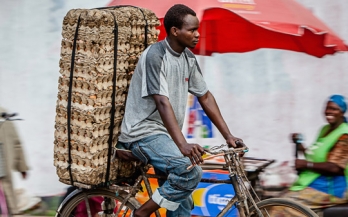
Eggs are packed with essential fatty acids, vitamins and minerals, but too few enjoy access to this critical source of protein. This week, GAIN is celebrating this "super food" and honouring the contributions of "food heroes" - individuals who throughout the COVID-19 pandemic have continued to bring eggs to market and onto the table, especially for young children.
- 09/10/2020
Although eggs are highly nutritious, they remain scarce and relatively expensive in many low-income settings, including across many of the countries where GAIN operates. Moreover, they are only rarely consumed by children in many regions. Globally, the average egg supply is around 3.5 eggs per person per week.
- 08/10/2020
Eggs are a widely available and affordable source of protein, vitamins, and minerals that support growth and development, yet they are not frequently fed to children in Kaduna. The ‘Eggs Make Kids’ campaign was launched by GAIN on World Egg Day in October 2019. Using commercial marketing techniques and insights into consumer behaviour, it aims to create demand for eggs as a nutritious food for children aged six months to five years.
- 29/09/2020
Based on an external assessment, this working paper summarises PLAN’s work in Nigeria (N-PLAN) and Indonesia (I-PLAN), impacts to date, and key learnings. The assessment indicated that PLAN has helped create influential networks, allowing diverse stakeholders to work together to address common issues related to post-harvest loss.
- 20/09/2020
EatSafe conducted a systematic search and review process of 87 published studies on the perspectives and practices of consumers and vendors related to food safety in Nigeria.
- 24/08/2020
Lack of diversity in many people’s diets means that more than two billion people globally are deficient in at least one micronutrient, which has a transversal impact on individuals, communities, and nations. It is within this context that GAIN’s Large Scale Food Fortification (LSFF) portfolio of projects, which operate both at national and global levels, has been deployed, with the aim of increasing micronutrient intakes through the addition of bioavailable micronutrients (vitamins and minerals) to commonly consumed foods.
- 20/07/2020
In low-income countries, poor dietary diversity is driven in large part by the low availability and affordability of nutritious foods like fresh fruits and vegetables, dairy products and other animal sourced foods. In a recent assessment, GAIN determined that small-and medium-sized enterprises (SMEs), or small and mighty enterprises as GAIN likes to call them, produce, process or sell up to 70% of nutritious food sold in low-income markets in Africa.
- 06/07/2020
In 2016, the Global Alliance for Improved Nutrition (GAIN) and its partners spotted a gap in postharvest loss interventions targeted to a) nutritious foods and b) working in the supply chain beyond the farm. The Postharvest Loss Alliance for Nutrition (PLAN) was launched in Nigeria.