Consumption of sugar-sweetened beverages (SSBs) is rising rapidly, especially in urban areas in low- and middle-income countries (LMICs). SSB consumption increases the risk for overweight and obesity, which are linked to a variety of non-communicable diseases (NCDs), including diabetes, cardiovascular diseases and certain types of cancer. One policy tool targeted at lessening the consumption of SSBs is a SSB tax, which increases the price of sugary drinks in a given area, which could be a single city, states or a country.
EAT and The Rockefeller Foundation's virtual convening highlighting critical need and unique opportunity for food system transformation in the wake of COVID-19 pandemic. The event hosted thousands of colleagues from around the globe for a wide-ranging interactive conversation on the challenges of this moment, the future of our food systems, and how we can drive #FoodSystemsAction.
Under the United Nations Sustainable Development Goals (SDGs), the global community adopted 17 global goals to improve lives by 2030; Goal-2 pledges to end hunger. The world's food systems in theory should be the strategic drivers to reduce hunger, strengthen livelihoods, and improve health.
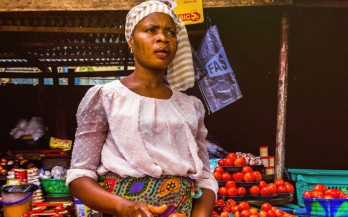
The COVID-19 pandemic has affected almost every aspect of life, including how food is distributed, purchased and consumed. In low-income countries, consumers have had to contend with higher food prices and less fresh, nutritious food available to eat. While the pandemic has had a devastating short-term impact on all those who rely on local food systems, it has also exposed their underlying fragility.
From empty supermarket shelves to vegetables thrown away uneaten due to shutdowns, COVID-19 has revealed many vulnerabilities in global and local food systems. Not only that, but the pandemic has also reminded us of the essential role nutrition and food security play in boosting immunity and resistance to disease.
Dietary intake data are required to design, monitor, and evaluate nutrition programmes and policies; however, current dietary assessment methods are complex, time consuming, and costly. Recently, GAIN developed a semi-quantitative food frequency questionnaire (SQ-FFQ) that can be used in coverage surveys to estimate the amount of fortified and biofortified foods consumed and their contributions to nutrient intakes.
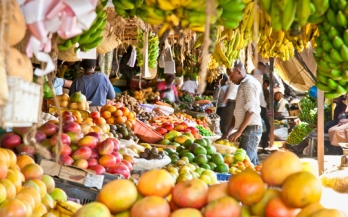
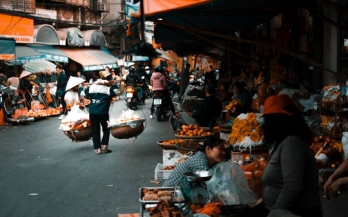
World Food Safety day in 2020 falls during an ongoing pandemic that has sickened millions, killed hundreds of thousands and cost trillions of USD. The emergence of COVID-19 has been associated with wet or traditional markets, and there are many studies, reports and blogs on how it is affecting food systems.
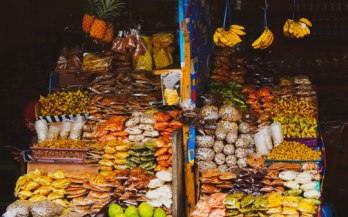
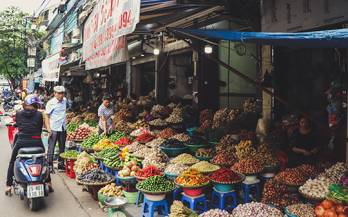
The number of people living in urban environments is growing at a rapid rate. Urban living fundamentally changes how people eat, as they are more reliant on needing paid employment and are more limited with growing their own food. This shift towards more urban living is also seeing big changes in food environments for most people, and what food is available, affordable and accessible to them.
Scares involving food contamination tend to make headlines when they occur in high-income countries. These rare outbreaks are all the more dramatic because consumers usually take for granted that the food they purchase will be safe: in high-income countries, governments have rigorous food safety standards with staff and budgets to support their enforcement, and many major retailers establish their own standards and procedures for ensuring that the food on their shelves is safe to eat.
Food systems are essential to food and nutrition security. They are also major drivers of economic, environmental, and social development and can be positive forces for urban development. This is critical, as increasing urbanisation of the global population is shifting the relative burden of poverty, food insecurity, and malnutrition to cities. To keep up with this growth, greater urban infrastructure, are required.