

Five priorities to operationalize the EAT–Lancet Commission report
- 13/08/2020
To operationalize the great food system transformation and ensure its sustainability, five areas of research and action require more attention: economic and structural costs; political economy; diversity of cultural norms; equity and social justice; and governance and decision support tools.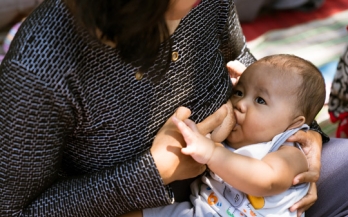
Breastmilk - the best infant food
- 05/08/2020
Experts estimate that in low- and middle-income countries, optimal breastfeeding has the potential to prevent more than 800,000 deaths in children under age 5 and 20,000 deaths in women every year. Despite this, breastfeeding remains underexploited globally. While the progress seen is positive, there is still a long way to go to achieve global nutrition targets.
Food Safety in Traditional Markets in Africa and Asia
Online Webinar, Global
Food safety is essential to food and nutrition security. In low- and middle-income countries many consumers buy nutrient-dense foods such as animal-sourced foods and fresh fruits and vegetables in traditional or "informal" markets. These markets play a vital role in food availability and affordability, but they have limited infrastructure to control the safety of food, and usually no oversight from public health authorities.
Standing Together for Nutrition (STfN)
New estimates show that the COVID-19 pandemic will lead to widespread increases in malnutrition due to disruptions in food, health and social protection systems. Lockdown measures are disrupting the production, transportation, and sale of nutritious, fresh and affordable foods, forcing millions of families to rely on nutrient-poor alternatives.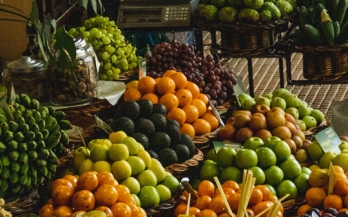
Better collaboration with the private sector to ensure healthy diets for all
FAO Director-General QU Dongyu and Global Alliance for Improved Nutrition (GAIN) Executive Director Lawrence Haddad today agreed that greater efforts must be made to transform food systems through innovative collaboration with the private sector, during a virtual round table on Business Strategies on Delivery of Healthy Diets for a Healthy Planet.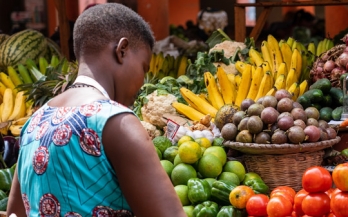
Food Safety and Nutrition: How are they Connected, and Why does it Matter?
Online Webinar, Global
Food safety is an integral part of food and nutrition security. For food to be safe, it must not cause harm to the consumer when it is prepared or eaten according to its intended use. Accessing safe food is essential to ensure consumers can access the nutritional benefits of their food.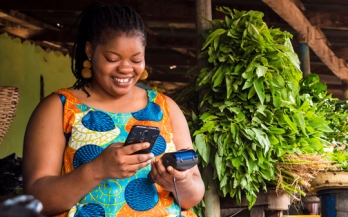
The key to scaling digital innovations for nutrition
As the wide-ranging effects of COVID-19 combine with serious pre-existing environmental, social, political and economic strains, our food systems find themselves under unprecedented pressure. The silver lining is that this uniquely challenging context has prompted renewed focus on finding scalable solutions to protect lives, livelihoods and our planet.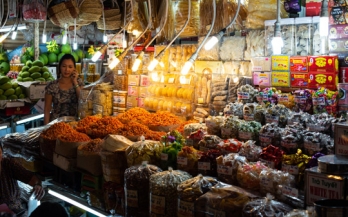
Urban Food Environments in Low- and Middle-Income Countries
- 16/07/2020
In urban areas in Low- and Middle-Income Countries, rates of overweight, obesity and diet-related non-communicable diseases (NCDs) are increasing. At the same time, undernutrition persists, particularly among those on low incomes. Where people acquire their food and factors such as availability, affordability and convenience all influence what people eat in urban areas (i.e. urban food environments) and are essential to people’s diets, nutrition and health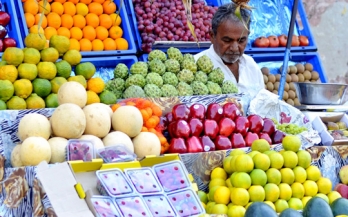
FAO-GAIN Virtual Roundtables "Everyone Around the Table: Private Sector on Healthy Diets"
Online Webinar, Global
FAO and GAIN will co-host a trio of high-level ‘roundtable’ webinars with private sector stakeholders as well as stakeholders from government, academia, and civil society, to discuss the practical and strategic engagements and on-going and potential partnerships in reshaping our food systems to provide healthy diets for human health as well as the planet health.