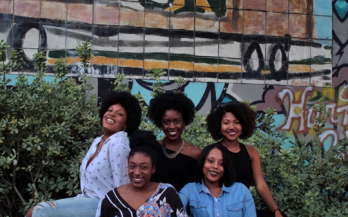
A challenged world is an alert world and from challenge comes change. So let's all choose to challenge.
How will you help forge a gender equal world? Celebrate women's achievement. Raise awareness against bias. Take action for equality.
Today is 1st of May, International Workers Day, the day of labour and solidarity. Dating back to the 1880s and born as a result of the worldwide struggle of workers for daily working hours, 1st of May is all the more important today as we come to well realise the importance of solidarity.
The United Nations General Assembly has designated the 31st of October as World Cities Day, by its resolution 68/239. The Day is expected to greatly promote the international community’s interest in global urbanization, push forward cooperation among countries in meeting opportunities and addressing challenges of urbanization, and contributing to sustainable urban development around the world.
According to the data provided by the International Council for Small Business (ICSB), formal and informal Micro-, Small and Medium-sized Enterprises (MSMEs) make up over 90% of all firms and account, on average, for 70% of total employment and 50% of GDP.
International Youth Day (IYD) gives an opportunity to celebrate and mainstream young peoples’ voices, actions and initiatives, as well as their meaningful, universal and equitable engagement.
World Children’s Day was first established in 1954 as Universal Children's Day and is celebrated on 20 November each year to promote international togetherness, awareness among children worldwide, and improving children's welfare.
Collective action across 150 countries is what makes World Food Day one of the most celebrated days of the UN calendar. Hundreds of events and outreach activities bring together governments, businesses, NGOs, the media, and general public. They promote worldwide awareness and action for those who suffer from hunger and for the need to ensure healthy diets for all.
The Side Sessions will be organized as "deep dive" dialogues, consultations, webinars, etc. on specific topics within and across the five UN Food Systems Summit action tracks.
The annual Global Summit is the CGF flagship event exclusively reserved for CEOs and C-level executives from our member companies. It is the place where retailers, manufacturers and their services providers come to discuss future business trends, network and share knowledge and best-practices for overcoming today’s most pressing challenges.
In lieu of the Plenary, the Committee will organize a High-Level Virtual Special Event on Food Security and Nutrition, 08- 12 February 2020 to keep food security and nutrition front and centre on the global sustainable development agenda.