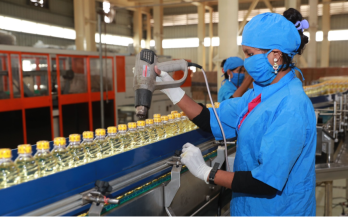

Nutrition for Growth Paris 2025: Tracking Commitments to Large-Scale Food Fortification
- 23/03/2026
Ending hunger and malnutrition in all its forms is about more than securing enough food to survive – what people eat must also be nutritious. However, nutritious foods and, by extension, healthy diets are unaffordable and unattainable for vast numbers of families. Approximately 2.8 billion people worldwide – a third of the global population – cannot afford a diet with the minimum variety of food necessary to meet essential nutrition standards. This affordability gap is most acute in low-income countries, where up to 3 in 4 people lack the means for a nutritionally adequate diet.
Clean Energy to Nourish a Continent: Unlocking renewable power for Africa’s food systems
- 18/03/2026
This white paper was commissioned by Partners in Food Solutions, SNV*, and GAIN and prepared with research, technical, and drafting support from Earth Partners Ltd. The authoring organisations extend their sincere gratitude to the funders, partners, and food processors for their generous contribution in making this research possible. The analysis reflects an independent synthesis of evidence and stakeholder perspectives and should not be interpreted as representing the official views, policies, or positions of the authoring organisations, their governing bodies, partners, or funders.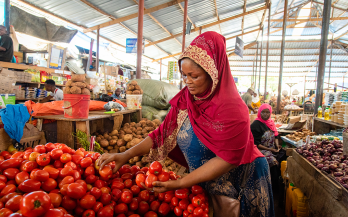
Why Nutrition Starts Long Before the Plate
When we think about improving nutrition, our minds often jump to the dinner plate: the colourful vegetables, the lean proteins, the whole grains. We focus on consumer choices, dietary guidelines, and the individual responsibility to eat healthily. But what if the most critical decisions shaping our nutrition have already been made long before the food reaches our plate? What if the very food environments where we buy our food are the true starting point for a healthy diet?
Webinar: From Market Stalls to City Government Halls
- Global
This Inspirational Kongamano webinar brings together city and market actors who are actively working to build more just, sustainable, and resilient food systems — with a clear focus on improving access to healthy diets. You’ll hear practical insights on: Innovative approaches to market investment Inclusive models for food systems governance Strengthening nutrition capacity at city level The session will also draw from lessons emerging from GAIN’s food systems governance programme and its partnerships for impact. We’re joined by speakers from ICLEI World Secretariat, ICLEI Africa, Nutrition in City Ecosystems (NICE), GAIN, and other leading organisations working at the forefront of urban food systems transformation. If you are working on, or interested in, how cities can better deliver healthy diets, this session offers grounded perspectives and real-world examples to learn from.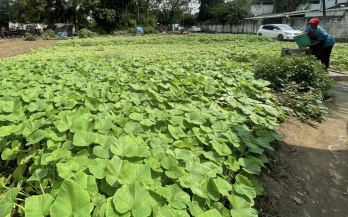
GAIN Working Paper n°65: Cities Accelerating Transitions to Regenerative Food Systems
- 09/03/2026
Transformation towards just and sustainable food systems is needed to ensure the health of people and the planet. Current large-scale industrial agri-food systems practices across an increasingly urbanised system are increasing soil degradation. These practices, alongside intersecting environmental challenges and widening socio-economic inequalities, are negatively impacting food security and access to healthy diets and increasing interest in climate-smart, agroecological, and regenerative food production. Cities are dynamic places of human settlement where food systems innovation can be catalysed. This makes them key to food policy and delivering nourishing, just and sustainable food systems. In 2024-5, the Transforming Urban Rural Food Systems (TURFS) Consortium conducted a mixed-methods exploratory inquiry in Dar es Salaam, Tanzania to explore how cities can incentivise regenerative agricultural transitions.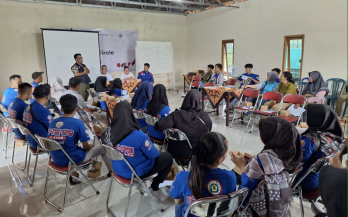
GAIN Working Paper n°63: Workforce Nutrition In Collective Bargaining Agreements
- 26/02/2026
Many adults spend most of their waking hours at the workplace, making the latter a strategic, yet underappreciated, environment for health and well-being interventions. Evidence shows that workforce nutrition initiatives can improve workers’ health and well-being as well as business outcomes, yet their full potential as occupational and public health interventions remain underexplored. This paper examines the extent to which collective bargaining agreements globally include clauses on workforce nutrition, operationalised as healthy food at work, breastfeeding support, nutrition-focused health checks and follow-up, and nutrition education. Using web-based and bibliographic searches, the study identified open-access global, national, and sector-specific collective bargaining agreement (CBA) repositories. It analysed 26,015 agreements from the WageIndicator CBA database (global coverage), Légifrance (France), and the Office of Personnel Management (US) databases. Explicit references to workforce nutrition were rare.
4 February 2026 | Farmonaut
Comparison Table: Impact Areas of Agriculture Non-Profit Organizations

11 December 2025 | Uganda radio network
Karamoja Farmers and Women Empower Themselves to Fight Malnutrition
7 January 2026 | Sustainable Views
Making the food industry resilient means businesses ensuring the wellbeing of farmers