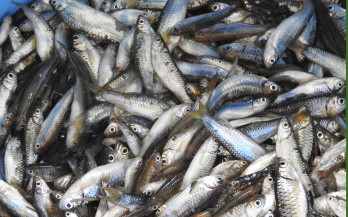
Fish offer a potentially sustainable solution to food security and nutrition challenges in Indonesia. Despite abundant aquatic resources, per capita fish consumption remains lower than in neighbouring countries. Factors such as overfishing, pollution, and unsustainable aquaculture practices limit growth, while climate change poses additional threats to fish stocks.
GAIN is pleased to announce its membership in the Global Alliance Against Hunger and Poverty (GAAHP) bringing on board a nutrition and food systems lens for global efforts
Pakistan faces a dual crisis of climate change and malnutrition, with floods, droughts, and other climate shocks driving some of the world’s highest rates of child stunting (over 40%) and wasting (around 18%). Most climate and nutrition policies operate in silos, offering limited integrated action, while regions like Sindh and Balochistan face the greatest vulnerabilities. Integrating nutrition into climate adaptation—such as promoting climate-resilient, nutrient-rich crops—can deliver “win-win” outcomes, but urgent, coordinated action from policymakers, donors, and civil society is needed to protect the most at-risk populations.
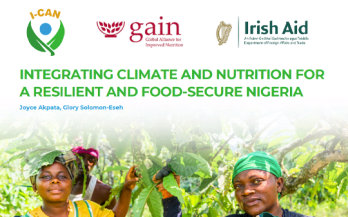
Nigeria faces a dual crisis of rising food insecurity and worsening climate impacts. By 2025, an estimated 33.1 million Nigerians are expected to be food insecure, with around 35% of children under five stunted, especially in the north. Ranked 110th of 127 countries on the 2024 Global Hunger Index, Nigeria’s challenges are driven by economic, environmental, and nutritional factors. GAIN engaged Sawubon Advisory Services to generate insights on the climate–nutrition nexus, supporting the integration of climate and nutrition into policies and programs. Climate change—rising temperatures, erratic rainfall, and extreme weather—has already reduced agricultural productivity, and by 2080, yields of millet and sorghum in northern Nigeria could fall 13–20%. With over 80% of agriculture rain-dependent, these trends threaten sustainable food production and nutrition outcomes.
Nigeria faces overlapping crises of climate change and malnutrition, with rising temperatures, erratic rainfall, and extreme weather reducing crop yields and pushing 30.6 million people toward severe food insecurity in 2026. Most climate and nutrition policies operate in silos, limiting coordinated action, while existing links remain largely analytical rather than practical. Integrating climate-smart agriculture, water management, and community resilience initiatives can create “win-win” outcomes, strengthening food security and health—but urgent collaboration across government, civil society, and the private sector is needed to turn commitments into local solutions.
For International Women’s Day 2026, GAIN aligns with the global theme “Rights. Justice. Action. For ALL Women and Girls”, highlighting how investing in nutrition supports women’s rights, strengthens agency, and drives long-term development.
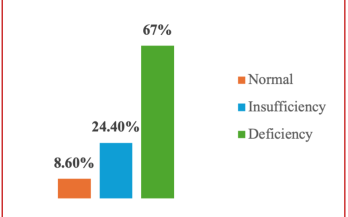
Micronutrient deficiencies, particularly those of vitamin D and Folate, are global public health concerns that significantly affect populations in developing regions. Vitamin D deficiency affects over one billion people globally, with 37.3% having serum levels below 50 nmol/L, particularly in sun-limited regions and high-risk populations [1–4].
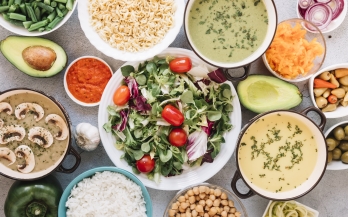
Food choices play a dual role in shaping both human health and environmental sustainability. At the individual level, diets that lack diversity, fall short of essential nutrients, contain excessive amounts of foods high in sugar, unhealthy fats, and salt, or fail to meet food safety standards, and can have serious negative consequences for health (Institute for Health Metrics and Evaluation, 2025; World Health Organization, n.d.). At the same time, the ways food is produced and consumed affect the environment, —contributing to land degradation, freshwater depletion, climate change, and biodiversity loss (Crippa et al., 2021; Tilman et al., 2017). These environmental impacts, in turn, influence which foods are available, accessible, and affordable, and can alter the nutrient density of crops (Beach et al., 2019; Smith & Myers, 2018), reinforcing this close connection between our food choices and the environment.
From a loan of 150,000 Ugandan Shillings, to Changing How a Community Eats
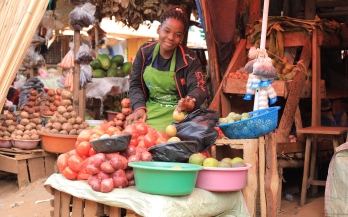
When school was no longer an option, Victoria Winyana didn't back down. Armed with a modest loan from her mother and a vision to make healthy eating effortless, she transformed a simple market stall into a hub for community well-being.
Read how this young Ugandan vendor turned a struggle for survival into a movement for nutrition, trust, and empowerment, one bundle of greens at a time.
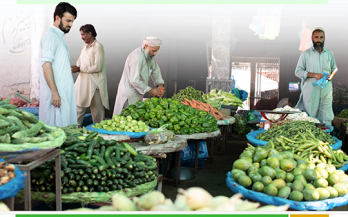
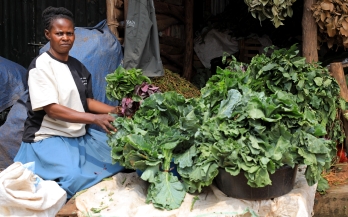
The story highlights Rose Nabasirye, a vegetable vendor in Uganda with over twenty years of experience in the informal food economy, who uses her market stall as an informal classroom to promote healthy eating. Through daily interactions, she guides customers on dietary diversity, taste, and simple recipes, helping transform vegetables into an accessible and creative part of their daily meals. Her involvement with GAIN’s Fit Foods initiative has further enhanced her stall's visibility and credibility, demonstrating how market vendors serve as essential, trusted frontline influencers in improving community nutrition outcomes.