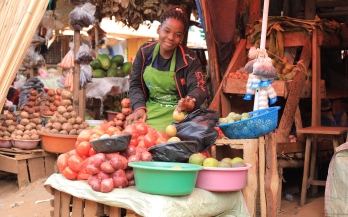
Victoria Winyana, A Young Vendor Who Showed Resilience That Kept Her Business Moving
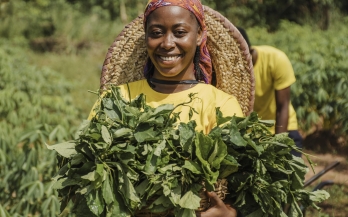
From a loan of 150,000 Ugandan Shillings, to Changing How a Community Eats When school was no longer an option, Victoria Winyana didn't back down. Armed with a modest loan from her mother and a vision to make healthy eating effortless, she transformed a simple market stall into a hub for community well-being. Read how this young Ugandan vendor turned a struggle for survival into a movement for nutrition, trust, and empowerment, one bundle of greens at a time.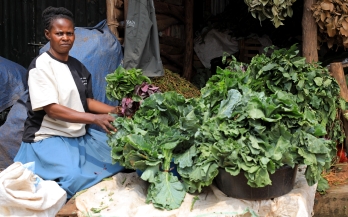
Rose Nabasirye Shapes Meals, Shapes Lives
The story highlights Rose Nabasirye, a vegetable vendor in Uganda with over twenty years of experience in the informal food economy, who uses her market stall as an informal classroom to promote healthy eating. Through daily interactions, she guides customers on dietary diversity, taste, and simple recipes, helping transform vegetables into an accessible and creative part of their daily meals. Her involvement with GAIN’s Fit Foods initiative has further enhanced her stall's visibility and credibility, demonstrating how market vendors serve as essential, trusted frontline influencers in improving community nutrition outcomes.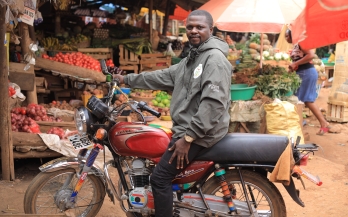
Jamada Nduga, The Supplier Behind Every Fresh Plate
As a vital bridge in Uganda’s local food system, supplier Jamada Nduga travels across rural villages to scout fresh, safe, and chemical-free produce directly from smallholder farmers. By connecting hardworking growers with market vendors through initiatives like GAIN's Fit Foods project, Jamada ensures fair market access for farmers and reliable, high-quality inventory for sellers while playing an essential upstream role in elevating community diets, food safety, and household livelihoods—one fresh vegetable at a time.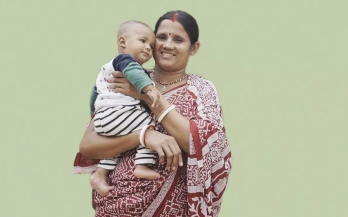
100 Million FullCare Tablets and Counting: A Milestone for Maternal Nutrition in Bangladesh
We are thrilled to share a major milestone in Bangladesh’s journey to improve maternal nutrition: more than 100 million Multiple Micronutrient Supplement (MMS) tablets, marketed under the brand name “FullCare”, have been sold since the launch of the country’s first locally produced UNIMMAP-formulated MMS.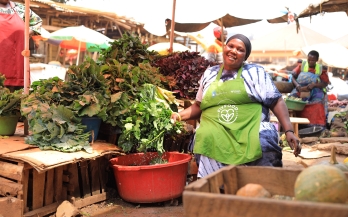
How A Market Stall Became A Wellness Classroom
This story highlights Rehema Nakamya, a long-time vendor at Wakiso Central Daily Market in Uganda, who uses her stall as an educational platform to promote community health and nutrition through the Vegetables For All project. Over fifteen years of market changes, Rehema adapted her business to sell both traditional local greens (nakati, dodo, buga) and exotic varieties (spinach, lettuce), while actively teaching customers how to properly wash, prepare, and incorporate leafy vegetables into their daily diets. By building trust and sharing practical advice on disease prevention and healthy habits, she transforms the simple act of selling produce into a powerful tool for shaping better diets and long-term community well-being.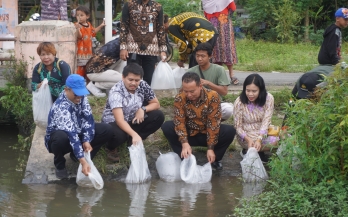
A New Small Fish Restocking Model Projects 20x Production Improvement in Indonesia
As an archipelagic nation, Indonesia ranks third globally in fisheries and aquaculture production. Despite these abundant, nutrient-rich aquatic resources, the country still faces significant malnutrition challenges stemming from insufficient intake of protein, micronutrients, and essential fatty acids. In 2021, the average per capita fish consumption in Indonesia reached 25.33 kg, notably lower than Malaysia (52.7 kg), a nation with fewer resources (KKP, World Population Review). This disparity highlights the gap between resources availability and dietary outcomes.
Uganda at the Table Accelerating Food Systems Transformation
EP 28
Why Uganda, an agricultural powerhouse still struggles with high malnutrition rates. Damali argues…
40 minutes ▶ Play this episode
Gender Analysis of Food Systems Policies:Supporting gender responsive policies and policy development processes in Nigeria.
- 22/12/2025
Nigeria’s food systems are critical for national development, yet women face deep-seated gender inequalities that restrict their participation, productivity, and access to resources, significantly hindering overall food security. Achieving a resilient and equitable food system requires moving beyond genderneutral rhetoric towards intentional policy shifts, fostering inclusive governance, and investing in gender equity across the entire food system. Prioritise equitable access to productive resources, strengthen women’s leadership in decision-making, enhance gender-disaggregated data systems, and champion community-led social norm change to build a sustainable food system where no one is left behind.