The Global Health 5050 initiative is both daunting and impressive. Daunting because each year, the bar is raised for organisations trying to advance gender equity, whether it is about definitions and language or about turning words into action; and impressive because each year, more organisations want to take part, to benchmark themselves and to gain insights about how to do better in their programmes and in their operations.
We girls wore different clothes to the boys, I was sent to a girls’ school while my brother was sent to a boys’ schools. Although I did not like it, I was told this is the way the world was, and girls and boys have to go to separate institutions.
When I was a young woman commuting for work on public transport, I faced daily sexual harassment.
When women choose to challenge
EP 05
Tune in to Episode 05 of Bite the Talk: “When women choose to challenge”. We hear from Catherine…
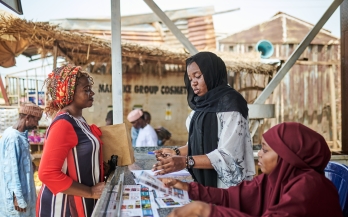
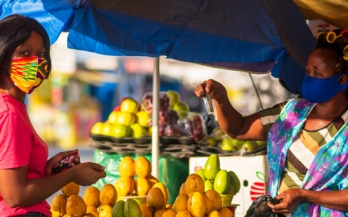
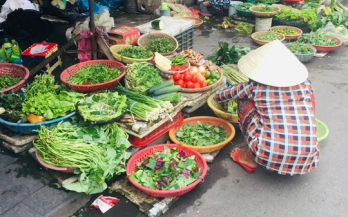
Markets are central to any community: a place where people buy their food and other essential products, but markets are places where the COVID-19 virus can spread quickly. GAIN launched a unique initiative a communications toolkit that provides practical guidance to keep markets safe thanks to communication tools with tips tailored to customers, vendors and market authorities.
With food systems being disrupted, economies collapsing and work, particularly that in the informal sector, disappearing what role can women leaders play in this field? In this session, viewers will meet some women, movers and shakers in the field of malnutrition and food systems. Namely as active contributors to SMEs.
When funds are needed to support your organisation - either as an MSME or NGO - a clear, structured and effective approach is necessary. The goal of this guide is to help actors involved in securing funding to understand the process and to access tools that can be used during the different stages to secure funding.
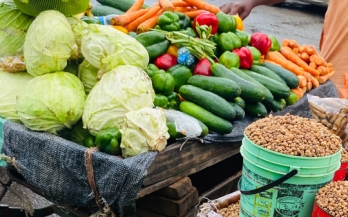
Introduction of the EatSafe project, its objectives, activities, and strategies to food safety stakeholders in Kebbi State. EatSafe has been set up to generate evidence related to consumer-based demand interventions in order to shape informal markets to provide more safe food, to align with GAIN's objective to support better nutrition for all.
Until every child in the world goes to bed nourished properly, we cannot rest. Our food systems are moving us in the wrong directions: hunger levels are rising, undernutrition levels are at severe risk of rising, obesity is increasing, we are off track to meet climate targets, biodiversity is being squandered, not enough decent jobs are being created and community resilience is being undermined.
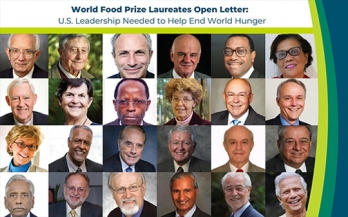
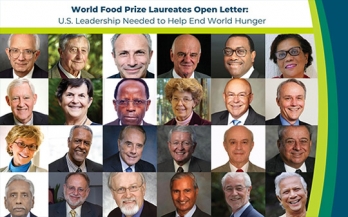
24 World Food Prize Laureates from across the globe, dedicated to driving change in food systems, are calling on the leadership of the United States Administration to help end world hunger. The World Food Prize Laureates submitted an open letter to the President of the United States of America, Joseph R. Biden Jr., calling on the new Biden-Harris administration to help achieve the global goals on food.