GAIN Interview Cruncher: International Women's Day – Embrace Equity
Online webinar, Global
International Women's Day (IWD) is a global day celebrating the social, economic, cultural, and political achievements of women. For this Interview Cruncher we would like to introduce you to a series of women who defeated boundaries and created a career for themselves, often in a male dominated environment. They will discuss how eliminating inequity for women is an ethical imperative.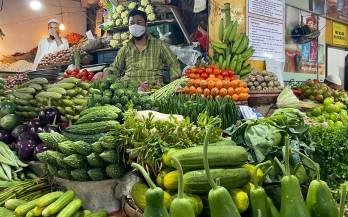
Bangladesh Wet Markets: Road to Recovery
EP 16
Do you know what a wet market is? The term wet market is typically used to describe places in Asian…
19 Minutes▶ Play this episode
15 YEARS OF PROGRESS GONE. We must change global food systems - Presser
Last week, the Global Alliance for Improved Nutrition’s presented its new 5-year strategy which aims to amplify the growing urgency and awareness of the importance of transforming our food systems to tackle both human development and planetary needs.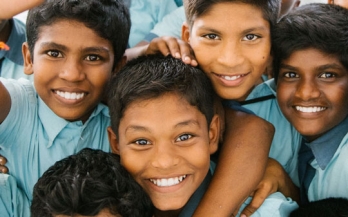
Healthier diets for all - leaving no one behind
New Delhi, India, India
The "Healthier diets for all, leaving no one behind – An open discussion on GAIN’s strategy" event in New Delhi, India speaks to GAIN's strategy moving forward, by way of its programmes across Asia. This will be pivotal for the planning, development and execution of technical programs, partnerships and impact created by GAIN with its partners, in the next five years in Asia.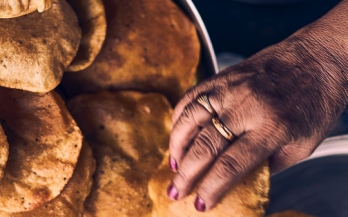
Food Systems Symposium - Innovations in the agri-food value chain
New Delhi, India, India
For India, food systems transformation is needed to help overcome these longstanding problems. The agenda for food systems transformation in India is understandably large and complex, with many diverse stakeholders involved. Not only is sustained progress at state and local levels warranted but also consensus on the way forward is critically important.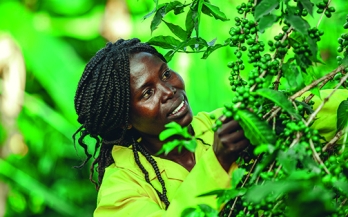
15 YEARS OF PROGRESS GONE. We must change global food systems
Geneva & Livestream, Global
Get a sneak peek into the Global Alliance for Improved Nutrition’s new 5-year strategy which aims to amplify the growing urgency and awareness of the importance of transforming our food systems to tackle both human development and planetary needs. Climate change, COVID-19 and namely the current war in Ukraine have all combined devastating effects on people. The most vulnerable (wherever they are) are bearing the brunt of these crisis and therefore this new strategy aims to reflect these challenges and improve the access of 1.5 billion people to healthier diets.
Reducing Nutritional Insecurity in Kenya through Ugali
EP 15
This podcast will shine a light on people who are working to meet the 2030 targets of UN's…
20 Minutes▶ Play this episode

Launch of the Asia and the Pacific Regional Overview of Food Security and Nutrition
Online Webinar, Global
With the 5F crisis – lack of food, feed, fuel, fertilizer and finance pushing millions more people in the world’s most populous region into hunger and poverty, four specialized agencies of the United Nations are calling for urgent coordinated efforts to address the impacts this crisis will have on economies, households and people, particularly women and children in the Asia-Pacific region.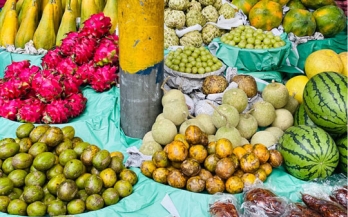
GAIN Working Paper Series 32 - How important are traditional retail outlets for sourcing healthy foods in Kenya and India
- 19/01/2023
Healthy diets are unaffordable to over 2 billion people worldwide and food access remains a challenge for many. The food environment illustrates the interaction of consumers with different food retail outlets to acquire and consume food.