- 06/03/2025
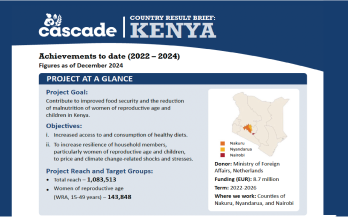
The CAtalyzing Strengthened policy aCtion for heAlthy Diets and resiliencE (CASCADE) project is responding to high malnutrition rates in Kenya and is strengthening implementation of nutrition related policies. The priority policy focus is the Kenya National Nutrition Action Plan which aims to accelerate and scale up efforts towards the elimination of malnutrition in Kenya in line with Kenya’s Vision 20301 and global Sustainable Development Goals.
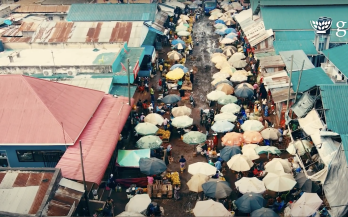
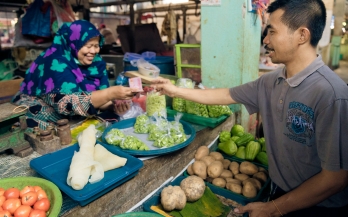
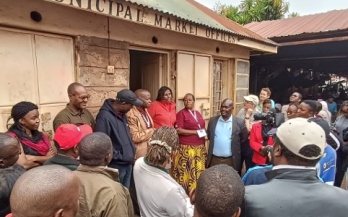
This video showcases GAIN’s collaboration with Buguruni Market (Dar es Salaam, Tanzania). It illustrates the early testing of the Food Systems Governance model; highlighting the importance of i) knowing the local food system, ii) One Nutrition (nutrition, food hygiene and safety, reduced food waste), and iii) engaging multiple stakeholders to co-design and support infrastructure investments that enhance vendor livelihoods, as well as improve the quality, safety, and value of food stored, upcycled, and sold to consumers.
A recent high-level event co-hosted by the Center for Indonesian Policy Studies (CIPS) and the Global Alliance for Improved Nutrition (GAIN) brought together key stakeholders at Oakwood Suites Kuningan in Jakarta on December 10, 2024. This strategic discussion, which fostered collaboration among government, academia, and industry experts, aimed to contribute to addressing Indonesia's pressing food security and nutrition challenges.
The intersection of climate change and food security took center stage at the recent Nigeria Climate Change Forum, where experts gathered to discuss sustainable solutions for ensuring food and nutrition security amidst growing climate challenges.
Malnutrition and climate change are two of the most pressing challenges facing humanity today – and they are intrinsically connected. While food systems contribute to land degradation and roughly one-third of anthropogenic greenhouse gas emissions, climate change in turn jeopardizes the nutrient quality of staple crops.
- 29/01/2025
The public sector plays a crucial role in transforming food systems through leadership, structures, and processes like policies and budgets as well as the extent to which it enables a whole-of-society approach. Understanding public-sector governance is thus fundamental to designing and implementing food systems transformation initiatives. This working paper provides an overview of public sector governance at the country level, with a food systems lens.
Public governance models vary across countries, and understanding these is vital for addressing challenges and trade-offs and leveraging opportunities in food systems. Local governments, including city governments, have close relationships to the daily lives of residents and landscapes. This makes them key players in bringing together multiple stakeholders, implementing locally relevant solutions, and strengthening capacity through sharing best practices, tools, and lessons learned via city-to-city networks. In a similar way, global food systems-related fora can provide opportunities for national, sub-national, and local governments to enhance the evidence base on food systems transformation and shape wider food systems outlooks.
- 26/12/2024
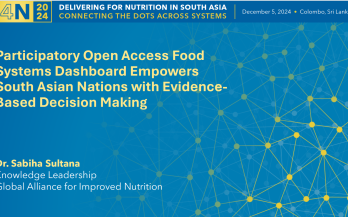
Participatory Open Access Food Systems Dashboard Empowers South
GAIN, CIMMYT, FAO and the US State Department to discussed The Vision for Adapted Crops and Soils (VACS), drawing on their shared knowledge and work in demand creation around healthier and more sustainable diets. Read the transcript and watch now.
- 14/01/2025
Millions of people around the world struggle to afford minimally nutritious diets, and social protection is critical for making healthy diets accessible. GAIN supports governments and other key stakeholders to accelerate system innovations that can make social protection investments work harder for the nutrition of the most vulnerable.
Through partnerships, policy advocacy, and programmes, GAIN is working in seven countries to make social protection systems more nutrition-sensitive and better equipped to combat systemic and intergenerational inequities that limit the reach of vital services.
The benefits of trade are often viewed in economic terms, but its human impact — on malnutrition in particular — cannot be ignored. Malnutrition stunts development, weakens immunity, and deteriorates bone and muscle health.