Global food systems generate significant socio-economic impacts (or externalities) – both positive and negative – which greatly vary across geographic regions, supply chains, and production systems.
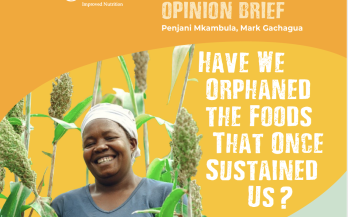
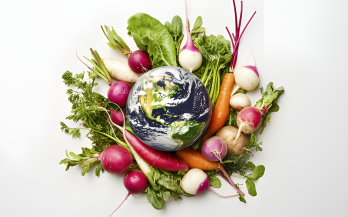
Orphaned crops refer to a diverse group of foods, including cereals, legumes, vegetables, and fruits, that have been largely overlooked by mainstream agricultural research, breeding programs, and markets.
Many orphan crops contain higher concentrations of vitamins, minerals, and protein than major cereals. In soci eties facing a double burden of undernutrition and rising diet-related diseases, orphaned crops provide a crucial bridge. They nourish without harming.
Nutrition education in schools and public health programs can normalize the consumption of traditional foods, while media and culinary initiatives can make them fashionable. Changing perception is just as critical as changing production.
Global food systems face complex, multi-faceted challenges that greatly vary by context, and their environmental, health, and socio-economic impacts are equally diverse. A comprehensive understanding that integrates these disparate factors into unified, clear guidance is essential for decision-making, including policy measures and industry practices.
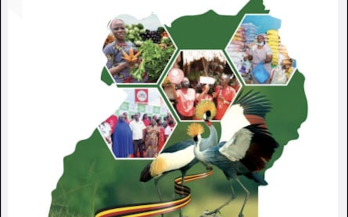
Uganda is entering a decisive phase in its journey toward achieving a USD 500 billion economy by 2040, as envisioned under the Tenfold Growth Strategy and National Development Plan IV (NDP IV). Both frameworks emphasize sustainable industrialization for inclusive growth, employment, and wealth creation.
However, the success of this economic transformation rests on the vibrancy, competitiveness, and quality orientation of the private sector particularly Micro, Small, and Medium Enterprises (MSMEs). MSMEs account for 98.8% of Uganda’s enterprises, contribute 75% of GDP, 77% of formal jobs, and generate 80% of domestic revenue. They are the backbone of Uganda’s economic fabric and the engine of future industrialization. Despite this importance, MSMEs face persistent challenges—limited access to finance, low productivity, weak innovation, and poor compliance with standards. Furthermore, the MSME Policy (2015) and the National Standards and Quality Policy (2012) have become outdated amid evolving national, regional, and continental priorities, including the AfCFTA, the EAC Industrialization Strategy (2021–2031), digital transformation, and sustainability imperatives
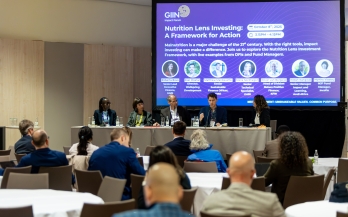
Investing in nutrition isn’t just possible, it’s smart. That’s the key message that sticks with us a few weeks after the GIIN Impact Forum 2025, where we organised a session, “Nutrition Lens Investing: A Framework for Action”.
Moderated by Roberta Bove (GAIN), the discussion brought together a diverse mix of development financiers, fund managers, and impact practitioners to explore how investors can move beyond broad food security goals to intentionally target nutrition impact, focusing on the quality, not just the quantity, of food reaching consumers.
Community of Practice: Bringing together entrepreneurs for better food systems in Nigeria
As the world marks Global Entrepreneurship Week 2025 under the theme “Together We Build,” the SUN Business Network (SBN) Nigeria is taking a bold step toward strengthening collaboration among entrepreneurs driving change in the food system. With the recent launch of its website and Community of Practice, SBN Nigeria is creating a vibrant space where nutrition-focused businesses can learn, connect, and grow together. This milestone represents more than a digital achievement, it’s a movement toward building a community where shared ideas fuel innovation, partnerships inspire action, and entrepreneurs collectively shape a healthier, more resilient food system for Nigeria.
For Immediate Release
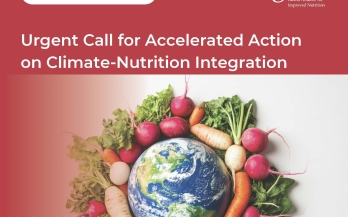
Urgent Call for Accelerated Action on Climate-Nutrition Integration – Latest Assessment
Sub-Saharan Africa, Latin America and the Caribbean are leading the way
Strongest integration is at the nexus of gender, nutrition and climate change, with 69% ccGAPs showing a clear intention to address climate and nutrition in tandem.
Very low levels of integration in the private sector – 79% of the 350 companies assessed had zero integration.
London/Geneva, November 07, 2025: The Initiative on Climate Action and Nutrition (I-CAN) released its latest worldwide assessment of the integration of nutrition and climate action. The report analyses 16 key indicators across 198 countries, revealing that some policy areas have made progress – particularly national nutrition and adaptation plans.
The 30th Conference of Parties to the United Nations Framework Convention on Climate Change (COP30) will take place in Belém, Brazil, from Monday 10 to Friday 21 November 2025. The COPs are an annual opportunity for Parties and non-Party stakeholders to meet and shape our international response to climate change.
Through the Nourishing Food Pathways programme, GAIN has collaborated with Hystra on a new study exploring how investments in nutritious food value chains can deliver both nutrition and environmental benefits in Latin America, Sub-Saharan Africa, and South Asia. The research highlights opportunities for impact-oriented investors, specifically Development Finance Institutions (DFIs), to direct capital towards businesses that improve diets while advancing sustainable food systems.
The study prioritises six nutritious food value chains; fruits, vegetables, legumes, milk, poultry, and aquaculture, selected for their inherent nutritional value, potential to reduce environmental pressures and high investment potential. In each region, case studies of investable enterprise illustrate how targeted investments can expand access to affordable and diverse nutritious foods, reduce post-harvest losses, promote climate-friendly practices such as regenerative agriculture and circular resource use, and enhance productivity.
The report provides practical insights for DFIs and other impact-oriented investors who are committed to advancing SDG2 (Zero Hunger) and SDG13 (Climate Action). By making strategic investments in businesses operating in these value chains, investors can simultaneously reduce environmental impacts and expand access to nutritious, affordable foods in local markets, creating a virtuous cycle of sustainable growth and resilience.
Ethiopia faces persistent malnutrition and emerging diet-related challenges. Nutrition for Growth (N4G), a pledging movement in which the world’s leaders have committed to centre nutrition, offers a platform to mobilize multisectoral action and accountability. GAIN offers technical expertise in food systems and nutrition governance, to support Ethiopia translate its national strategies in its goal of supporting the Government of Ethiopia (GoE) in accelerating its progress towards Food System Transformation.