- 30/03/2026
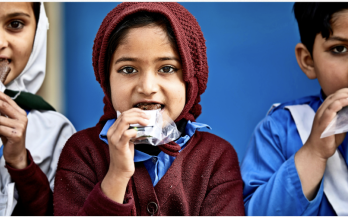
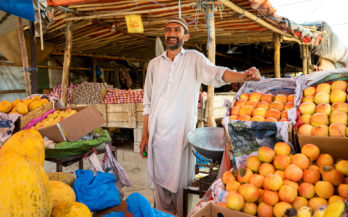
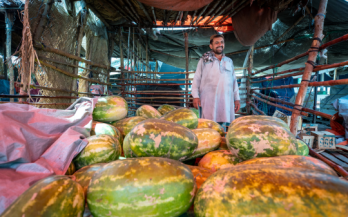
Pakistan produces a wide variety of fruits, yet a significant share is lost due to limited processing capacity, weak value chains, and low value addition. At the same time, many consumers especially children and low-income households lack access to affordable, nutritious snack options. To respond to this challenge, the Nutritious Fruit Bars Initiative was launched in 2024 through a partnership between GAIN, Arla Foods Ingredients (AFI), Pakistan Business Council (PBC), local SMEs, and public-sector stakeholders. The project aimed to convert surplus fruits into nutritious, protein-enriched fruit bars, strengthen local food processors, and demonstrate a sustainable business case that improves nutrition while creating economic opportunities across the value chain.
- 30/03/2026
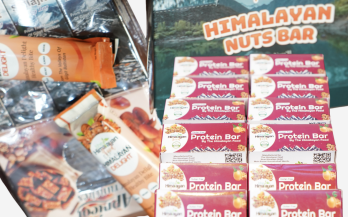
The Himalayan Foods is a private venture founded by young agriculture graduates from the heart of the Himalayan mountain region. They are driven by a vision to showcase the natural richness of Northern Pakistan through premium, nutritious food products. Rooted in Skardu’s unique agricultural landscape, the company combines traditional knowledge with modern food processing practices to create high-quality, healthy products for an increasingly nutrition-conscious consumer market. Committed to meeting the growing demand for nutritious snacks, The Himalayan Foods produces a range of value-added products including nut-based snack bars under the Himalayan Nut Bar line and organic granola blends marketed as Himalayan Delight. These products are developed using natural and organic ingredients, emphasizing health, wellness, and minimal processing while maintaining international food safety and quality standards. Through its integrated approach linking farmers, sustainable production, and nutrition-focused innovation; The Himalayan Foods represents a new generation of Pakistani SMEs demonstrating how local enterprises can drive economic growth, environmental stewardship, and improved nutrition outcomes simultaneously.
- 02/02/2026
Pakistan faces intertwined climate and malnutrition challenges, with floods, droughts, and rising temperatures threatening food security amid high child stunting (40.2%) and wasting (17.7%). Climate change is worsening nutrition outcomes, especially for women, children, and smallholder farmers, while climate and nutrition policies remain fragmented. GAIN’s I-CAN initiative aims to assess and strengthen the integration of climate and nutrition across Pakistan’s policies and strategies.
- 02/02/2026
Pakistan faces a dual crisis of climate change and malnutrition, with floods, droughts, and other climate shocks driving some of the world’s highest rates of child stunting (over 40%) and wasting (around 18%). Most climate and nutrition policies operate in silos, offering limited integrated action, while regions like Sindh and Balochistan face the greatest vulnerabilities. Integrating nutrition into climate adaptation—such as promoting climate-resilient, nutrient-rich crops—can deliver “win-win” outcomes, but urgent, coordinated action from policymakers, donors, and civil society is needed to protect the most at-risk populations.
- 22/10/2025
As Pakistan advances its URAAN Plan and National Food Systems Transformation Pathway, meaningful youth engagement will determine how inclusive that progress becomes. Despite strong national frameworks and growing youth-led innovation, young people remain largely outside formal decision-making. This policy brief sets out practical actions to institutionalise youth participation across governance structures—embedding the Scaling Up Nutrition Youth Network (SYN) within national and provincial coordination bodies, assigning youth advisory roles and quotas, and establishing a Youth in Food Systems Working Group to align mandates and financing. It further calls for building leadership pipelines through a Youth Food Policy Fellowship, integrating national programmes like Kamyab Jawan with food system priorities, and introducing digital accountability tools such as a Youth Engagement Scorecard. By embedding youth as architects of transformation, Pakistan can turn its demographic strength into a lasting engine for innovation, accountability, and resilient food systems.
- 19/06/2025
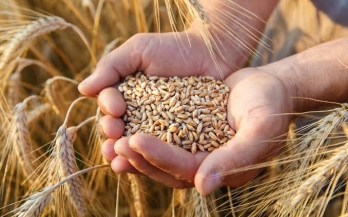
THE OPPORTUNITY In Pakistan, where wheat is a daily staple, an invisible crisis is unfolding. Over 60 million people suffer from inadequate zinc intake, contributing to malnutrition and economic losses of nearly 3% of the country’s GDP. Zinc deficien cy plays a critical role in stunted growth among children, leading to impaired cognitive development that hampers learning abilities and future economic opportunities.
- 16/05/2025
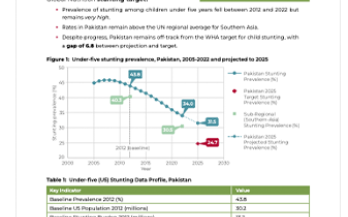
WHA Global Nutrition Stunting Target 2012-2025
Achieve a 40% reduction in the number of children under-5 who are stunted
WHA Global Nutrition Overweight Target 2012-2025
Ensure that there is no increase in childhood overweight
- 04/09/2024
Pakistan’s many small- and medium-sized enterprises (SMEs), including the large number
involved in (nutritious) food supply, are held back by lack of access to adequate finance. Actions could be taken by government, private banks, and other finance providers to help resolve this critical capacity constraint.
- 04/09/2024
In the context of the latest national SME policy “2021 SME Policy Pakistan”, and findings from a recent in-country survey executed by Entrepreneurship Development and Advisory Services (EDAS) and supported by GAIN, this brief, focuses on constraints in the market from supply- and demand perspectives facing SMEs. Its two sister briefs have been prepared using the most up-to-date research (conducted over the last 5 years) on ongoing issues faced by Pakistani SMEs, particularly food-related SMEs, to develop policy recommendations.