- 06/02/2026
This report summarizes the key findings from the Kenya policy landscaping analysis and stakeholder mapping analysis and provides recommendations for better policy integration in Kenya in support of the Initiative on Climate Action and Nutrition (I-CAN).
- 06/02/2026
Climate change and malnutrition are deeply intertwined challenges in Kenya, where climate related
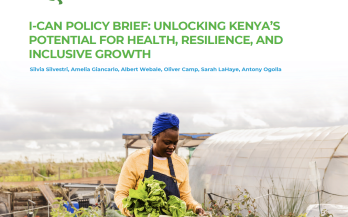
shocks continue to threaten food systems, health services, and vulnerable populations. This policy brief summarizes f indings f rom a rapid assessment of 27 national policies and key stakeholder interviews, conducted to support the I-CAN initiative. The analysis reveals uneven climate–nutrition integration across sectors, with strong implementation f rameworks in some policies but persistent gaps in coordination, data systems, and f inancing. Overreliance on donor funding, limited engagement of diverse stakeholders, and underutilized governance structures further hinder progress. At the same time, there are clear opportunities to strengthen policy
alignment, institutional reform, cross-sector collaboration, and stakeholder inclusion to build a more resilient and nutrition-secure Kenya.
- 02/02/2026
Pakistan faces intertwined climate and malnutrition challenges, with floods, droughts, and rising temperatures threatening food security amid high child stunting (40.2%) and wasting (17.7%). Climate change is worsening nutrition outcomes, especially for women, children, and smallholder farmers, while climate and nutrition policies remain fragmented. GAIN’s I-CAN initiative aims to assess and strengthen the integration of climate and nutrition across Pakistan’s policies and strategies.
- 02/02/2026
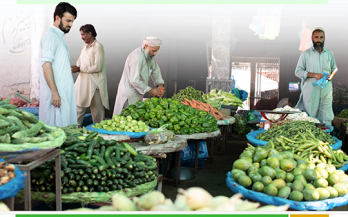
Pakistan faces a dual crisis of climate change and malnutrition, with floods, droughts, and other climate shocks driving some of the world’s highest rates of child stunting (over 40%) and wasting (around 18%). Most climate and nutrition policies operate in silos, offering limited integrated action, while regions like Sindh and Balochistan face the greatest vulnerabilities. Integrating nutrition into climate adaptation—such as promoting climate-resilient, nutrient-rich crops—can deliver “win-win” outcomes, but urgent, coordinated action from policymakers, donors, and civil society is needed to protect the most at-risk populations.
- 02/02/2026
Nigeria faces a dual crisis of rising food insecurity and worsening climate impacts. By 2025, an estimated 33.1 million Nigerians are expected to be food insecure, with around 35% of children under five stunted, especially in the north. Ranked 110th of 127 countries on the 2024 Global Hunger Index, Nigeria’s challenges are driven by economic, environmental, and nutritional factors. GAIN engaged Sawubon Advisory Services to generate insights on the climate–nutrition nexus, supporting the integration of climate and nutrition into policies and programs. Climate change—rising temperatures, erratic rainfall, and extreme weather—has already reduced agricultural productivity, and by 2080, yields of millet and sorghum in northern Nigeria could fall 13–20%. With over 80% of agriculture rain-dependent, these trends threaten sustainable food production and nutrition outcomes.
- 09/02/2026
Nigeria faces overlapping crises of climate change and malnutrition, with rising temperatures, erratic rainfall, and extreme weather reducing crop yields and pushing 30.6 million people toward severe food insecurity in 2026. Most climate and nutrition policies operate in silos, limiting coordinated action, while existing links remain largely analytical rather than practical. Integrating climate-smart agriculture, water management, and community resilience initiatives can create “win-win” outcomes, strengthening food security and health—but urgent collaboration across government, civil society, and the private sector is needed to turn commitments into local solutions.
- 22/12/2025
Nigeria’s food systems are critical for national development, yet women face
deep-seated gender inequalities that restrict their participation, productivity, and access to resources, significantly hindering overall food security.
Achieving a resilient and equitable food system requires moving beyond genderneutral rhetoric towards intentional policy shifts, fostering inclusive governance, and investing in gender equity across the entire food system.
Prioritise equitable access to productive resources, strengthen women’s leadership in decision-making, enhance gender-disaggregated data systems, and champion community-led social norm change to build a sustainable food system where no one is left behind.
- 15/12/2025
Global food systems generate significant socio-economic impacts (or externalities) – both positive and negative – which greatly vary across geographic regions, supply chains, and production systems.
- 04/12/2025
Orphaned crops refer to a diverse group of foods, including cereals, legumes, vegetables, and fruits, that have been largely overlooked by mainstream agricultural research, breeding programs, and markets.
Many orphan crops contain higher concentrations of vitamins, minerals, and protein than major cereals. In soci eties facing a double burden of undernutrition and rising diet-related diseases, orphaned crops provide a crucial bridge. They nourish without harming.
Nutrition education in schools and public health programs can normalize the consumption of traditional foods, while media and culinary initiatives can make them fashionable. Changing perception is just as critical as changing production.
- 28/11/2025
Global food systems face complex, multi-faceted challenges that greatly vary by context, and their environmental, health, and socio-economic impacts are equally diverse. A comprehensive understanding that integrates these disparate factors into unified, clear guidance is essential for decision-making, including policy measures and industry practices.