- 29/10/2019
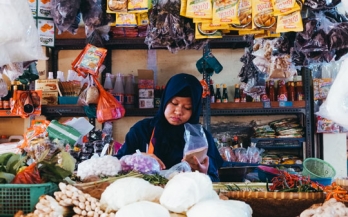
Small and medium-sized enterprises (SMEs) are central to low- and middle-income country (LMIC) food systems and have the potential to increase local accessibility (availability and affordability) of nutritious and safe foods.
- 08/10/2019
The "Menu of actions to shape urban food environments for improved nutrition" has been developed by GAIN, the Milan Urban Food Policy Pact (MUFPP) Secretariat and the RUAF Foundation as a reference document that seeks to meet this need. It contains a large number of examples of policies and programmes, from countries in every region and in all income bands, to inspire and encourage other cities to initiate actions.
- 03/10/2019
Urban governance for nutrition is the process of making and implementing decisions that shape sustainable food systems to deliver better nutrition for people in cities. The Framework on Urban Governance for Nutrition and the guide for implementation provide guidance on how city governments and stakeholders can determine appropriate actions to address urban nutrition priorities.
- 02/10/2019
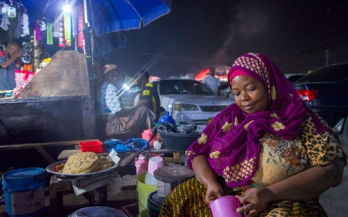
Over half of the world’s population live in cities. By 2050, it is expected that almost 7 out of 10 people will reside in cities, with 90% of this growth occurring in Africa and Asia. Urbanisation is linked to increasing rates of overweight and obesity, yet undernutrition is also prevalent in cities. These areas are confronted by an increasingly complex challenge to address malnutrition in all its forms.
- 18/07/2019
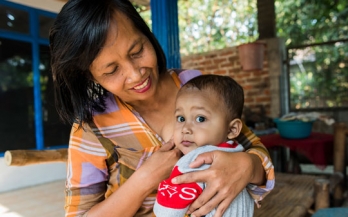
This paper describes an innovative behaviour change communication project, implemented as part of the Baduta project, including rationale and early impacts. Baduta was a multi-component project developed by the Global Alliance for Improved Nutrition (GAIN), together with partners, to improve maternal and infant nutrition.
- 05/10/2018
Food systems are essential to delivering healthy, affordable and sustainable diets, but the nutritional needs of children and adolescents are often not prioritised. UNICEF and GAIN co-hosted a global consultation on children, adolescents and food systems in November 2018.
- 01/07/2015
GAIN through its experts have performed an economic impact analysis of Malnutrition in Pakistan. This analysis represents the potential economic impact of an intervention. For this purpose, "coefficients of loss," developed by international experts, evidence-based estimates of health risks and functional deficits associated with iron and folic acid deficiency have been used.
- 01/09/2017
The goal of this study was to develop and test two methods of quantitative dietary assessment that are less technically challenging and less expensive to implement than the standard 24HR dietary recall procedure, but still capable of identifying nutrient gaps with acceptable precision.
- 01/09/2010
The main objective of this study was to evaluate the consumption coverage of iron-fortified wheat flour and folic acid and vitamin A-enriched vegetable oil in Côte d'Ivoire. It has deployed a scientific device that combines a survey of the target of the fortification, the Ivorian population, with a sampling of the oils and flours consumed by it, and with laboratory analyses to evaluate the adequate fortification,
- 01/01/2016
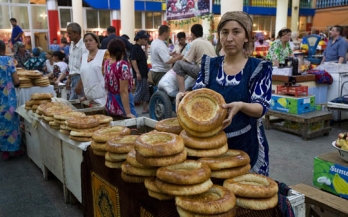
The program has an emphasis on improving fortification processes, regulations and monitoring in the region, in particular for flour exports from Kazakhstan to Afghanistan and edible oil exports from Pakistan to Afghanistan.